The ocean can look calm as glass while your chest feels like a drum. If panic hits underwater, your instructor teaches you to do a few simple things fast: stop, hold your place, keep the regulator in, and slow each breath until the hiss turns steady again. You learn to spot the first clues in your body and in your buddy’s eyes, and that’s where the real shift begins.
Key Takeaways
- Instructors teach beginners to recognize early panic signs like rapid breathing, wide eyes, frantic kicking, and loss of focus.
- They explain common triggers, including unfamiliar regulator breathing, dim surroundings, cold water, ear pressure, and equipment-related fears.
- The first response is to stop moving, keep the regulator in, and switch to slow, controlled breaths with longer exhales.
- Beginners practice a simple reset: breathe, signal the instructor or buddy, regain neutral buoyancy, and assess before ascending.
- Repeated drills in mask clearing, regulator recovery, air sharing, and controlled ascents make calm responses more automatic.
What Does Panic Underwater Feel Like?
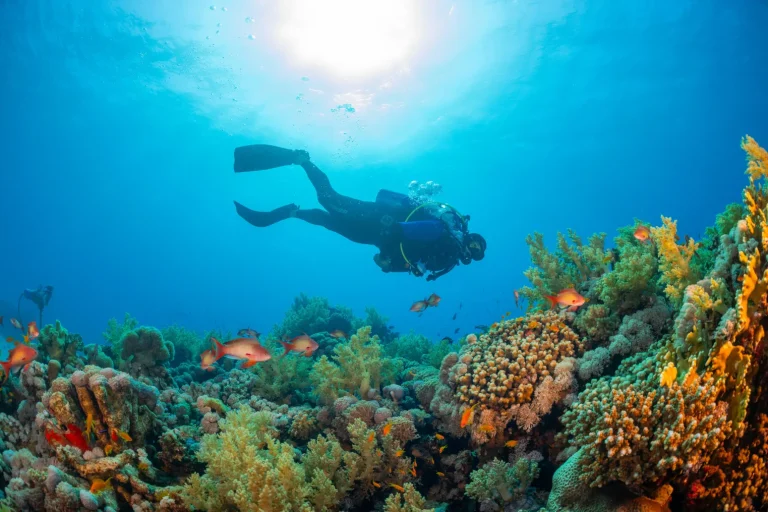
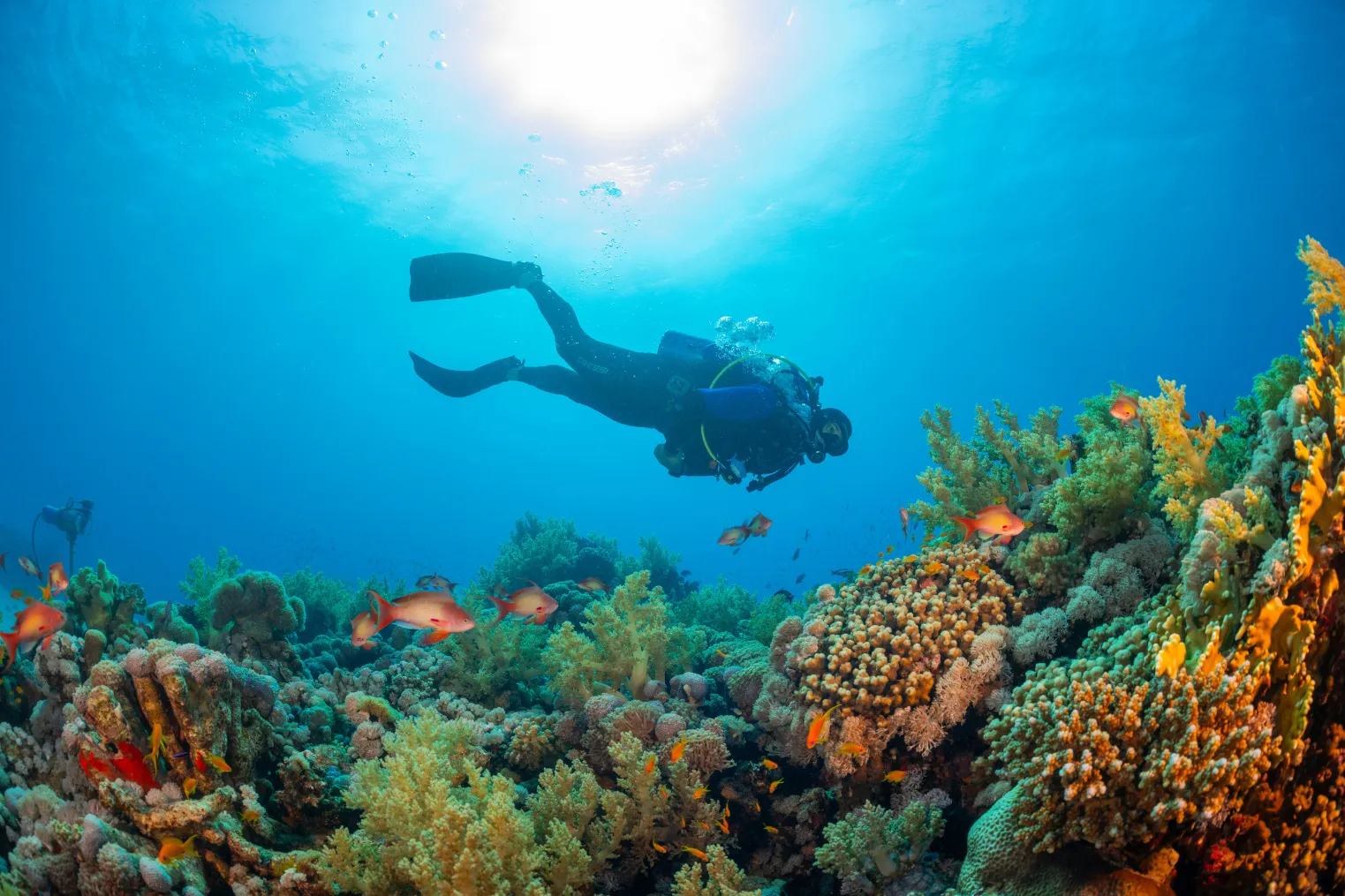
At first, panic underwater can feel a lot like a cruel trick: your regulator is still delivering air, yet your brain suddenly shouts, “I can’t breathe.” Instructors tell beginners this false alarm is often the first clue, and it can arrive fast, with quick shallow breaths, a pounding heartbeat, and hands that don’t feel steady anymore. Then your focus narrows like a camera zooming too hard. Thoughts race, directions blur, and your training can seem oddly distant. You might kick frantically, fumble with gear, or drift from your buddy without meaning to. Even a bright marine reef and nearby marine life can fade into a strange tunnel. When Planning your trip, know panic can feel louder than the sea, weirdly convincing, even in water. If that fear builds, remembering run out of air training can help you recognize the difference between a true emergency and panic’s false signal.
What Should You Do First Underwater?
When that alarm bell goes off underwater, your first job is surprisingly simple: stop moving. Freeze your kick, float where you are, or hold a steady spot so your breathing doesn’t race and your air lasts longer. Keep your regulator in your mouth and switch your attention to slow, even breaths. Try a 4-4-6 rhythm: inhale for four, hold for four, exhale for six. As your chest loosens, fine tune your buoyancy with a puff or release from your BCD. Neutral buoyancy keeps you from bobbing up or sinking while you regroup. One of the non-negotiable safety rules for beginners is to stay with your instructor or buddy while you regain control. Around coral reefs and marine animals, calm feels contagious. If the panic still won’t ease, begin a controlled ascent with your instructor, watch your rate, and make a stop if instructed.
When Should You Signal Your Buddy?
Calm breathing buys you time, and your next smart move is to bring your buddy in early, not after things get messy. That’s why early signaling matters, especially after partner briefings and pre dive cues.
- Signal at once for shortness of breath, chest tightness, or hard breathing.
- Use the out-of-air thumb-down signal if your regulator fails, then ascend or share air.
- Wave your buddy over if you’re disoriented, seeing oddly, or can’t tell up from down.
- If panic symptoms hit, let your buddy or instructor stop the dive and settle you.
- If gear pinches, leaks, or acts strange, use the agreed drill. Solo heroics are overrated.
Underwater, a quick hand sign beats silent guessing, like checking a map before the street signs disappear entirely. For new divers, scuba safety improves when you signal early, stay close to your buddy, and follow instructor guidance.
Why Does Panic Underwater Happen?
Because your brain treats water as a place where small problems feel huge, panic underwater often starts with a very normal alarm response. You enter an unfamiliar world, and your senses scan hard for danger. If your breathing mechanics feel odd through a regulator, your body may mistake that new rhythm for trouble. visual triggers, like dim blue space or shifting shadows, can also magnify worry. Add thermoregulation effects from cool water, and your system can feel stressed before your mind catches up. You may also overestimate gear risks or imagine every fish as a villain with fins. When skills aren’t practiced yet, that stress narrows thinking fast. That’s why instructors slow your progress, build comfort step by step, and turn steady breaths into your best reset button during training and dives. For many students, anxiety tips that focus on slow breathing and gradual exposure can make those first dives feel far more manageable.
What Triggers Panic Most in Beginners?
Often, the biggest trigger for beginner panic is simple: breathing underwater feels strange at first, and your mind can jump straight to “what if I can’t get enough air?” The hiss of the regulator, the slight resistance of each breath, and the huge blue space around you can make normal sensations feel suspicious. Then triggers stack up fast.
- breathing myths tell you each inhale is running out
- equipment fantasies make every buckle seem cursed
- surface anxiety follows you down before you notice
- surprise fish, shadows, or loud bubbles spark a startle
- buoyancy slips and ear pressure can make you feel abruptly out of control
That mix of novelty and misread signals can snowball unless you slow down, ask questions, and practice step by step. Even divers who are not strong swimmers can learn safely when instructors build comfort gradually and keep early practice controlled.
Is Panic Underwater Always Dangerous?
Panic underwater isn’t always a disaster, and you can often spot it early in your tight chest, quick breaths, and tunnel vision as the bubbles hiss past your mask. It becomes risky when you stop thinking clearly, kick hard, or head up too fast, because that’s when small problems can turn serious. That’s why your instructor acts fast and simple: slow you down, get you breathing steadily again, and move you toward a controlled ascent or the surface where help is easy to reach. In some cases, they may also remind you how regulator clearing helps restore calm if water enters your mouthpiece underwater.
Panic Warning Signs
Usually, the first hints of trouble underwater look small until you know what to watch for.
On an easy training dive, you might notice quick breathing, twitchy fins, darting eyes, or a buddy who goes strangely quiet. Instructors tie these clues to hand signal recognition, equipment checklists, and pre dive rituals. On a beginner scuba dive, instructors usually review signals, practice breathing, and confirm gear before anyone descends. You can spot stress early and slow it down:
- Rapid breaths or hyperventilating
- Frantic finning or thrashing
- Silence, drifting away, or repeated rises
- Confusion or forgetting simple skills
- Trembling, nausea, pale skin, or gasping
Catch them early, and you can stop, breathe slowly, signal for help, and reset buoyancy before the moment snowballs into something harder to manage. Even fish seem to notice when your rhythm suddenly changes.
When Panic Becomes Risky
While a spike of fear underwater doesn’t always turn into a full emergency, it can become risky fast if you lose control of your breathing and stop thinking clearly. Fear often starts small: a fogged mask, dim water, a fin snag, or a sudden shadow beside the reef. If you catch it early, breath control helps you slow down, assess the problem, and signal calmly. If you don’t, panic can snowball into rapid breathing, clumsy hands, and bad choices with your gear. In wreck diving, beginners are taught that staying within training limits and diving calm, familiar sites helps reduce the chance that fear turns into panic. That’s why equipment familiarity and mental rehearsal matter so much. You practice simple steps until they feel almost automatic, like checking a buckle by touch in green water. That calm habit can keep a scary moment from becoming dangerous.
Instructor Safety Response
Picture the moment an instructor spots a student freeze underwater. You don’t assume disaster, but you do act fast. With instructor proximity, calm eye contact, and hands on intervention, panic often stops before it spirals.
- You halt movement and find neutral trim.
- You slow breathing with longer exhales.
- You give a clear buddy or instructor signal.
- You ascend only after calm returns.
- You repeat drills until responses feel automatic.
That stepwise response matters because panic drives many diving accidents. A rushed ascent can injure lungs or trigger decompression sickness. That’s why dive centers keep tight ratios and constant supervision. If a student bolts or grabs wildly, emergency restraint may protect everyone. In the pool, bubbles, masks, and small stumbles become practice, not prophecy there. For beginner seniors in Honolulu, instructors often build confidence by keeping lessons gentle, comfortable, and paced slowly.
How Does Breathing Restore Control Underwater?
When your breath slows into a steady count, your heart rate eases down and the rush of panic starts to loosen its grip. You follow the long exhale, feel your chest and belly work together, and shift your attention from dark what-ifs to one simple job you can control. That calm rhythm also saves air, so when an instructor tells you to stop, hold steady, and breathe, you’ve got a clear path back to control. Practicing buoyancy for beginners also helps you stay steady instead of bouncing off the reef when stress makes your movements jerky.
Slow Breathing Reset
Often, the fastest way to get control back underwater is to slow your breathing on purpose. Instructors drill a simple 4-4-6 reset until it feels as familiar as checking your gauge.
- Inhale for four counts.
- Hold for four.
- Use paced exhalation for six.
- Add box breathing on land and in confined water.
- Use tactile cueing, then stop, move, think.
You steady your heart within 30 to 60 seconds and quiet that jangly rush of adrenaline. Slow breaths boost CO2 tolerance, curb shallow sipping, and protect buoyancy control. Underwater, air delivery feels a bit dry and slightly resistant compared with breathing at the surface, which is why a deliberate rhythm helps beginners settle in faster. Better oxygen exchange clears your thinking, so the reef stops spinning like a bad carnival ride. Once calm, you can signal your buddy or instructor and sort out the next smart move without rushing your fins around.
Focus Through Exhalation
That slow 4-4-6 reset works even better once you put your attention on the longest part of the cycle, the exhale.
Underwater, you can use the out-breath as an exhalation anchor. You fully empty your lungs, then let the next inhale arrive without a rush. That longer release helps lower your heart rate and keeps you from slipping into quick, shallow breaths that leave you lightheaded. Try breath counting on each exhale, or quietly note one, two, three. That simple rhythm awareness pulls your mind away from worst-case stories and back to the bubbles, the hiss in your regulator, and the cool water on your cheeks. As you settle, remember that calm, steady breathing also makes ear equalization easier during descent by reducing tension and helping you notice pressure changes sooner. In drills, you repeat it until buoyancy and air use feel smoother under pressure when things get busy.
Breathing Stops Panic
Start with the breath, and the rest of the scene gets smaller. Underwater, you reset control with breath awareness. You inhale for four, hold four, and exhale for six. That steady pattern slows your heart and tamps down adrenaline before panic can sprint away with the moment.
- Your chest softens and your diaphragm does the work.
- Rhythm anchoring pulls your mind from worst-case stories.
- Slower breaths conserve air and buy time to fix problems.
- A nasal technique or relaxed mouth breath helps stop hyperventilation.
- Stop, breathe, signal your buddy, then think clearly.
- When practicing mask clearing, a calm exhale through your nose can help you regain control and clear water without rushing.
You hear bubbles tick past your mask. The regulator hums. Soon the water feels less like a trap and more like a room you can navigate with calm, practical curiosity leading you.
Why Does Buoyancy Control Reduce Panic?
Calm begins with control, and underwater that usually means buoyancy. When you can’t hold depth, you kick harder, bob up and down, and breathe faster. That extra effort builds carbon dioxide, and anxiety can rise before you know it.
When you master neutral buoyancy, the water feels steadier and more predictable. You stop fighting surprise ascents or drops. Your breathing slows. You use less air, so the pressure of the gauge eases. That gives your mind room to notice the reef, your buddy, and the next simple step. In Hawaii, many first training dives stay within beginner scuba depths, which helps new divers practice buoyancy without the stress of going too deep. Instructors use breath control drills, weight placement practice, and trim adjustment exercises because each one gives quick feedback. You feel a small inhale lift you, a tiny exhale settle you, and confidence clicks into place like a well-set fin strap.
How Do Instructors Spot Panic Early?
You can often spot trouble before it turns into panic if you watch a beginner’s breathing, because fast gulps, uneven breaths, or a hand clamped on the regulator usually show up first. You’ll also notice it in the body: hard fin kicks, wide eyes behind the mask, and buoyancy drifting off like someone forgot the brakes. If a student goes quiet, misses a simple cue, or stares at one thing like it holds the secrets of the sea, you’re likely seeing stress rise in real time. Instructors often reduce this risk by starting beginners in a pool session, where the controlled setting makes early signs of panic easier to notice.
Breathing Pattern Changes
Watching the breath is one of the fastest ways instructors catch panic before it blooms into a bigger problem. You can hear anxiety in quick, shallow pulls and see it when your normal cadence suddenly speeds up. That change matters because over-breathing strips away calm, makes buoyancy feel slippery, and turns every hiss from the regulator into a louder soundtrack. Good instructors step in early, before a manageable wobble becomes a full underwater spiral for you. Clear hand signals also help beginners communicate distress or confusion before panic escalates.
- Rapid shallow breaths can tip into hyperventilation fast.
- Irregular breathing or gasping hurts CO2 tolerance and buoyancy.
- Instructors use counting techniques like 4-4-6 to slow you down.
- They coach diaphragmatic breathing and may add tactile cuing.
- If your rate stays high, they check gas, regulator, then ascend safely.
Body Language Signals
Often, panic shows up in your body before it reaches your brain in words. Instructors read the small clues fast. They notice facial microexpressions through your mask, like wide eyes, a fixed stare, or that sudden look of alarm. They also watch hand gestures. Frantic waves, repeated fin kicks, or fumbling that makes you drop a mouthpiece can mean your control is slipping.
Your posture tells a story too. Torso tension, an arched back, or clutching your chest or neck can hint that equalizing feels wrong or fear is building. Instructors also track whether you hold buoyancy and stay near your buddy. If you start rising, sinking, or drifting off, they’ll move in quickly, before the ocean turns into bad improv for everyone nearby. In small group beginner scuba settings in Honolulu, instructors can often spot these early signals faster because they have more time and attention for each new diver.
Delayed Response Signs
While panic can look sudden, instructors usually catch it in the slower beat just before it blooms. You may seem fine, yet your body often sends hesitation indicators first. Instructors use visual scanning to notice what changes underwater:
- rapid, shallow, or gasping breaths
- repeated hard fin kicks or frantic hands
- widened eyes, darting gaze, lost focus
- freezing after a simple signal or skill cue
- pale skin, gear clutching, subtle trembling
These clues matter because they appear before the big scramble. If you pause when asked to clear your mask or inflate your BCD, your instructor reads delayed compliance, not stubbornness. That early read lets them slow the moment, settle your breathing, and keep the dive from turning into a noisy underwater plot twist today. For beginner shore diving in Oahu, this kind of early intervention matters even more because new divers are often adjusting to ocean entry, surf timing, and unfamiliar underwater conditions.
How Do Instructors Teach Emergency Responses?
Building calm is the first skill instructors teach when they cover emergency responses. You learn emergency scripting first: stop, breathe slowly, signal, assess.
| Drill | You do | Cue |
|---|---|---|
| Stop-breathe | Slow inhale | Tactile prompts |
| Regulator | Recover, clear | Bubble check |
| Air share | Take alternate | Buddy signal |
| Ascent | Vent, rise slowly | Eye contact |
Through scenario rehearsal, mask fogs, mild disorientation, and out-of-air drills feel manageable. Instructors stay close, rehearse breathing patterns and hand signals, and repeat skills until your body answers calmly, not with a full underwater soap opera. They also explain that diving with a cold or congestion increases equalization risk and can turn a simple ascent or descent into a painful problem. Redundancy helps too. You check gear, note extra second stages, and watch how quickly an instructor spots early anxiety. If you freeze, hands-on guidance redirects you before stress grows teeth. Then the lesson feels practical, crisp, and strangely reassuring.
Can Pool Practice Prevent Panic Underwater?
You can use pool practice to turn panic into something far less likely, because you rehearse mask clears, regulator recovery, and controlled ascents where you can still stand up and reset. As you repeat slow breathing drills and hear the soft hiss of the regulator, your body learns a calmer rhythm and your heart stops acting like it’s late for a flight. Step by step, you build confidence in shallow water, test what rattles you, and head into open water with real coping skills instead of guesswork. A Discover Scuba Dive gives beginners a first underwater adventure with guided practice before moving farther from their comfort zone.
Pool Practice Benefits
Often, the best place to stop panic before it starts is the pool. In calm water, you meet regulator breathing and buoyancy without currents, waves, or curious fish stealing the show.
- You use breathing drills like 4-4-6 patterns before dives, so your body arrives steadier.
- You repeat regulator recovery, mask clearing, and controlled ascents until surprise feels smaller.
- You watch instructor demonstrations, then get instant hands-on correction if stress starts creeping in.
- You gain equipment feel feedback, from mouthpiece pressure to fin balance, before open water adds noise.
- You progress from standing depth to shallow drop-ins, which makes the ocean feel familiar, not mysterious.
That practice time is simple, repetitive, and oddly soothing, like learning a dance where every breath has a job underwater.
Building Calm Responses
Usually, calm starts in the pool, where you can plant your feet on the floor, hear your bubbles soften, and teach your body that a strange breath through a regulator is still just a breath. There, instructors layer breathing cues like 4-4-6 breathing for 10 to 15 rounds until your shoulders drop and your exhale stops rushing. You use mental rehearsal before mask clearing, regulator recovery, and even a pretend air-loss drill, all while knowing you can stand up. Those short, repeated sessions turn skills into micro habits. Your instructor watches for tight hands, fast kicks, or wide eyes, then adds challenge only after calm returns. Over weeks, the pool becomes a lab where stress shrinks, responses quicken, and panic hides less often underwater.
How Does Gradual Exposure Build Calm Underwater?
Step by step, gradual exposure turns an unfamiliar underwater world into a place your body and mind recognize. You start with snorkeling, then pool SCUBA, then shallow ocean dives, giving yourself room for sensory adaptation and gradual resilience. Over several weeks, each easy win tells your nervous system that breathing, floating, and hearing that Darth Vader soundtrack are manageable, not mysterious. Confidence grows before depth does, so curiosity can finally outswim tension on your first descent.
Confidence builds in layers: snorkel first, then bubbles, then blue water, until your body trusts what once felt alien.
- Daily 4-4-6 breaths slow your rate before the water.
- Short pool sessions make bubbles, pressure, and gear feel normal.
- You master mask clearing, regulator recovery, equalization, and buoyancy first.
- Calm, shallow 3-6 m dives keep incremental challenges realistic.
- Close buddies show backups work, which makes the sea less bossy.
What If Panic Happens During Training?
Panic can show up fast underwater, but your training gives you a clear script before that rising rush gets to run the show. You stop moving. You float or hold position. Then you shift to breathing drills: inhale for four, hold four, exhale for six. If your breaths sound loud in your regulator or your fins start fluttering wildly, you signal your buddy or instructor right away.
During training, you also practice mental rehearsal, equipment checks, regulator recovery, mask clears, and controlled buddy-breathing in calm pool water. The tiles below you, the hiss of air, and the feel of the mouthpiece all become familiar. If panic spikes anyway, your instructor takes control, secures your regulator, makes contact, and ascends safely if needed. Afterward, you debrief, name triggers, and reset.
How Long Until Diving Feels Calm?
For many beginners, diving starts to feel calmer after three or four supervised pool sessions, when the hiss of the regulator sounds less dramatic and more like part of the background.
- Pool sessions teach relaxed breaths, buoyancy, gear handling.
- In weeks 4 to 6, shallow 3 to 6 meter dives feel familiar.
- By week 4, confidence tracking usually shows less anxiety.
- Through weeks 6 to 8, progress milestones become automatic.
- Daily 4-4-6 breathing milestones speed calm, not perfection.
Snorkeling first helps you swap surprise for curiosity as bubbles tick past your mask and the pool tiles stop feeling like a test under your fins. You won’t match anyone else’s timeline. Many new divers feel fear at first, so repeated practice with your instructor matters most.
How Do Divers Prevent Future Panic?
Building calm happens on purpose. You prevent future panic by training in steps. First you snorkel. Then you practice SCUBA in a pool. After that, you make short open-water dives in shallow blue water. Every day, you rehearse slow breaths like inhale four, hold four, exhale six, until your body treats calm as normal. In small classes, you repeat mask clearing, regulator recovery, and controlled ascents until they feel boring, which is excellent news. You also memorize buddy signals and a simple rescue rhythm: stop, float, breathe slowly, signal. breathing cue cards,visual anchorpoints, and post dive debriefing help too. Instructors ask sharp questions, stretch your timeline if needed, and keep surprises from turning into underwater drama before it can tap your shoulder and shout boo.
Frequently Asked Questions
Can Certain Medications Increase the Risk of Panic Underwater?
Yes, certain medications can raise your panic risk underwater: antidepressant interactions, beta blocker effects, and sedative withdrawal can impair judgment, slow responses, affect adaptation, or trigger agitation, so you’ll need disclosure and medical clearance first.
Should Beginners Tell Instructors About Anxiety Before Diving?
Yes, you should tell your instructor about anxiety before diving, because you’ll get calmer pacing, site choices, and targeted breathing techniques. When you share history and signal preferences, they can personalize support and reduce risks.
Can Poor Mask Fit Contribute to Underwater Panic?
Yes, if your mask suddenly floods on descent, you can panic fast. Poor mask leakability, strap discomfort, and a restricted field of view startle you, raise your breathing rate, and make routine clearing feel overwhelming underwater.
What Should You Do After a Panic Episode Ends?
Stop exerting, steady yourself, and use rest breathing. Signal your buddy, check your regulator, air, mask, and weights. If you’re shaky, ascend slowly. After surfacing, seek debreefing, hydrate, and resume training gradually with supervision only.
Does Cold Water Make Panic More Likely for Beginners?
Yes, cold water can make panic more likely for beginners because cold shock disrupts your breathing, thermal stress drains focus, and impaired judgment follows. You’ll reduce risk if you acclimate gradually and wear exposure protection.
Conclusion
Panic underwater can feel sharp and sudden, but you’re never stuck with it. You slow the breath, keep the regulator in, hold your depth, and signal early. As the saying goes, slow and steady wins the race. With each shallow practice dive, the bubbles sound softer, the mask feels less strange, and your fins stop thrashing. Stay close to your instructor, trust the drills, and soon the blue space around you starts to feel calm and inviting.