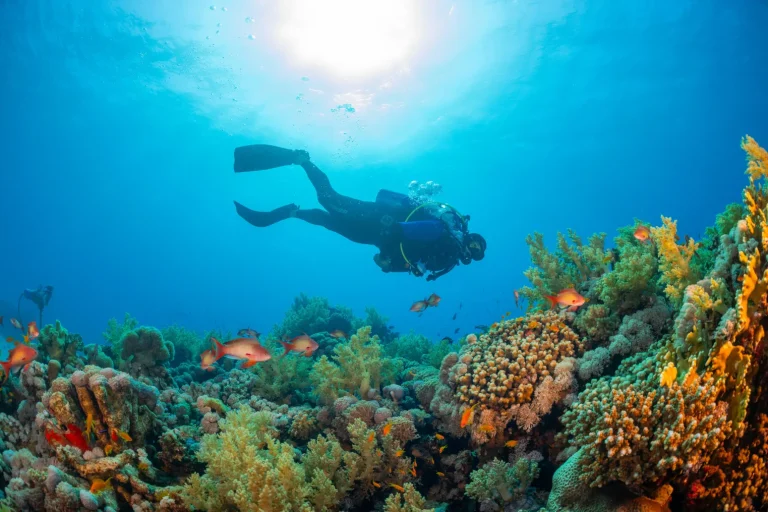
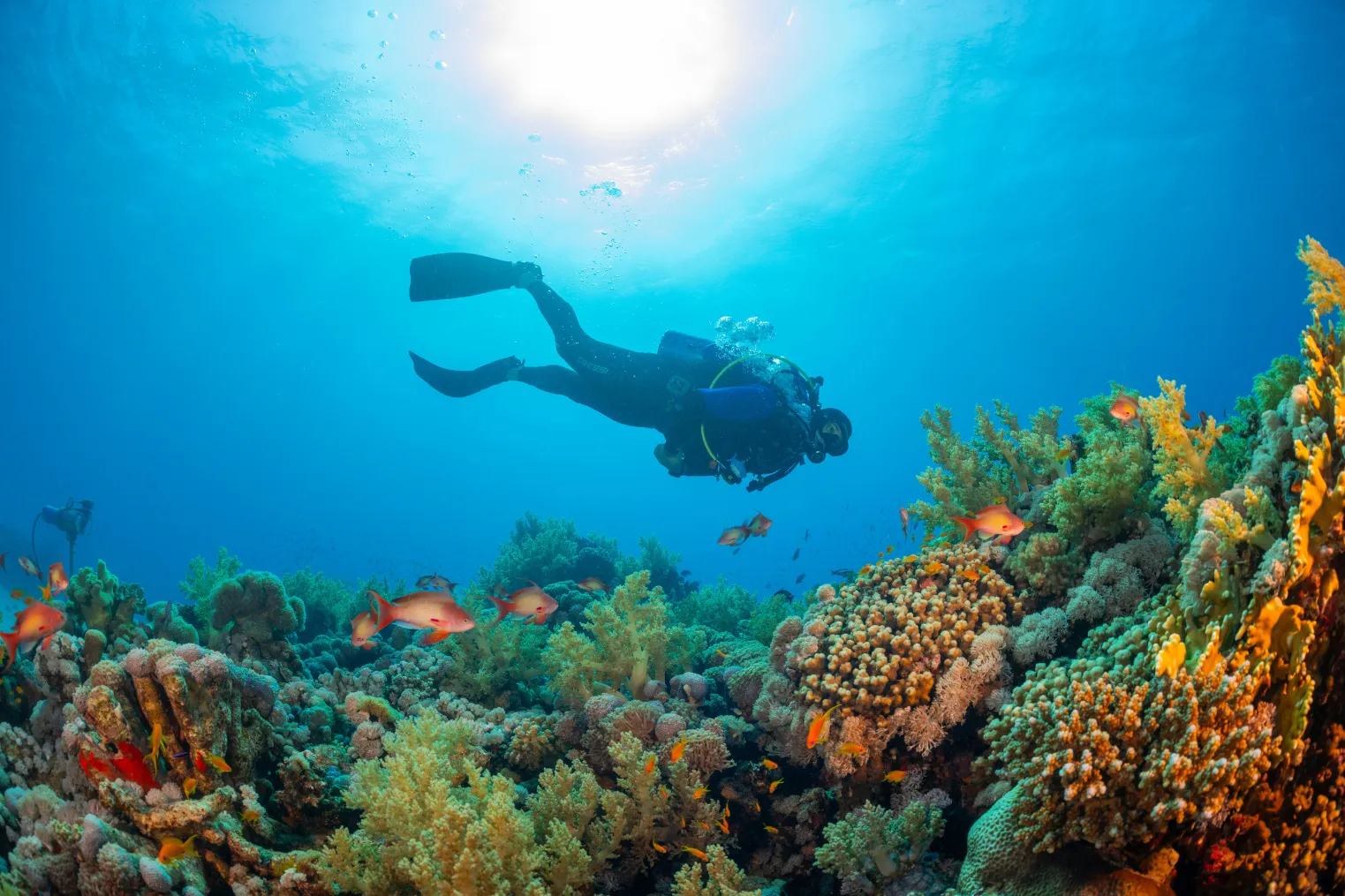
You’ll notice it in spring, trust it in summer, and chase it again in fall: Oahu’s underwater visibility shifts with the seasons. Some mornings bring glassy water and long blue sightlines, while others turn milky after rain, wind, or a big swell. If you time your entry right, you can spot reef colors, sea turtles, and sandy channels with ease. The trick is knowing which beaches hold clear water longest.
Key Takeaways
- Oahu’s clearest underwater visibility usually occurs from April through September, with June to September offering the most consistently clear conditions.
- Summer mornings often deliver 30 m (100 ft) visibility, while afternoon winds and chop commonly reduce clarity by midday.
- September and October can bring especially clear, warm water, though conditions may change quickly once swell or storms increase.
- Winter visibility is less reliable because northwest swell, onshore winds, and rain-driven runoff often make water murky or milky.
- For the best clarity year-round, snorkel or dive early, after dry weather, and when swell and wind are low.
When Is Oahu Water Clearest?
When is Oahu’s water at its clearest? You’ll usually find your best window from April through June, when calm mornings let sand settle and the reef looks freshly rinsed. June often shines, and summer stays strong through July, August, and especially September. October can surprise you too, with many smooth days before swells ramp up again. This lines up with the best time of year for scuba diving in Oahu, since late spring through early fall often brings calmer conditions and better underwater clarity.
If you’re planning around the North Shore, stay flexible because winter months bring the biggest swings. Some mornings sparkle, but frequent swell and surge can cloud things fast. Divers and Snorkelers should aim for early starts year-round, then check surf and wind reports before you go. Local guides know when the ocean turns silky, quiet, and ridiculously inviting for a dawn dip before breakfast and coffee on shore.
What Is Underwater Visibility in Oahu?
When you talk about underwater visibility in Oahu, you’re really asking how far you can see through the water before sand, silt, and chop blur the view. You’ll usually get your best look on calm mornings, when the water can open up to 30 m or 100 ft and reefs, fish, and lava rock snap into focus. But waves, wind, and rain can change the picture fast, especially in winter or after a hard shower, so one beach can look crystal clear while another turns cloudy by lunch. For beginner divers, visibility, current, surge are the main conditions to watch because they often determine how easy and comfortable a dive will feel.
Visibility Basics
Think of underwater visibility in Oahu as your underwater window: it’s the distance you can see through the water, and it changes fast with waves, wind, and runoff from land.
On a calm, low-wind morning, you’ll often find reef scenes that look almost glass-like, with underwater visibility stretching past 30 meters around many Dive Sites. That means you can spot coral heads, flashing fish, and the sandy bottom without squinting into blue haze. Around Oahu, seasonal patterns shape what you experience. Summer usually brings longer clear-water stretches. Winter is more hit or miss, especially on the north side. If you’re planning a snorkel or dive, think of visibility as the island’s mood ring. It can feel postcard-perfect one day and mysterious the next morning. During rougher periods, northwest swell and building seas can quickly reduce clarity around Oahu, especially early next week.
What Affects Clarity
Although Oahu can serve up spectacularly clear water, underwater visibility really comes down to three main players: waves, wind, and runoff. When seas stay calm, sand settles and you get that glassy blue look. Start early if you can, because mornings usually beat afternoons for clarity.
- Calm surf boosts visibility and lets reefs appear sharp and bright.
- Wind chops the surface, stirs silt, and shortens your view.
- A seasonal swell can turn winter water milky, while late spring to early fall often stays clearer.
- Heavy rain sends runoff nearshore and can slash visibility for days, even after one loud storm.
After heavy rain, the Hawaii Department of Health may issue a Brown Water Advisory because runoff can carry sewage, animal waste, chemicals, and debris into nearshore waters.
On the best days, you may see about 100 feet. On rough days, only a few meters. Think snow globe, but with fish outside.
What Changes Oahu Visibility Day to Day?
You’ll notice Oahu’s visibility can change fast, and waves usually make the first move by kicking sand and silt off the reef until clear water turns milky. If the wind stays calm or blows offshore, you’ll often get your best look in the morning, but onshore breezes can cloud things up by lunch. After heavy rain, runoff from streets and streams can stain the coast for days, so you’re smart to check local reports before you grab your mask. For many beginners, morning dives also tend to offer calmer, clearer conditions in Honolulu.
Waves, Wind, Runoff
On Oahu, underwater visibility can change fast because waves, wind, and runoff keep the shoreline in motion. One day your snorkeling spots look aquarium clear. A few hours later, surge can whip sand off the reef and make your water entry feel like a cloudy snow globe. Watch for these shifts:
- Waves and bottom surge lift sand and silt, so fish, turtles, and even a white tip can fade from view.
- Wind adds surface chop and can push murky water onto reefs.
- Rain runoff sends soil and debris from streams and drains into the ocean, sometimes for days.
- Winter swells hit more often from November to March, so daily forecasts and local guides matter for smarter picks before you zip your fins and mask.
If showers move through, scuba diving in the rain may still be possible, but visibility often depends more on runoff, wind, and surge than the rain falling at that moment.
Morning Calm Effects
Often, Oahu looks clearest first thing in the morning, when the ocean has had all night to settle and let sand and silt sink out of the water column. This is also why morning dives are often ideal for beginner scuba in Oahu. If you book an early snorkel or diving Hawaii charter, you’ll often see Waikiki or Turtle Canyon with glassy blue water and sharper reef edges.
| Time | Water | What You See |
|---|---|---|
| Dawn | Calm | Clear reefs |
| Afternoon | Windy | Murkier views |
But morning magic can vanish fast. A swell, trade winds, or fresh runoff can turn clean water milky by lunch. In winter, conditions swing wildly from day to day. In summer, you get more back-to-back calm starts. Check rain, stream flow, and departure time before you grab your fins. Your mask will thank you, quietly, underwater today.
Why Mornings Usually Have Better Visibility
Because Oahu’s winds usually stay light through the night, the ocean gets a chance to settle and let sand and silt drop back to the bottom. You get that glass-like look many mornings, with reef colors popping sooner and farther. Early starts also line up with pre dawn optics, reef respiration, and thermal layering, which can make the water feel oddly crisp.
- You can spot turtles and coral heads from farther away.
- First-light entries often beat the busier mid-morning crowd.
- April through September usually gives you the steadiest clear streaks.
- Even in winter, calm mornings can surprise you.
That’s why guides from Kewalo Basin push sunrise departures. Boat crews with coaching favor them because spotting conditions stay friendly for beginners. To make the most of those conditions, plan how early to arrive for your Honolulu scuba dive so you’re checked in and ready before departure.
How Waves and Wind Reduce Water Clarity
Clear mornings can turn fast when waves and wind start working the shoreline. On Oahu, surf churns sand and silt across shallow reefs and nearshore slopes, and you can watch visibility drop from bright, aquarium style water to just a few meters during a surge. That’s Sediment resuspension dynamics in action. At Waikiki and other sandy beaches, even short period swell can keep fine grains suspended for hours, so your afternoon snorkel may look hazy long after dawn. Wind adds another layer. Onshore breezes rough up the surface, mix the water column, and shrink sightlines through Turbulence induced light scattering. Surface foam impacts don’t help either. If whitewater keeps slapping the beach, expect murkier water, scratchier sand underfoot, and fewer fish shaped surprises offshore. This is one reason many divers look for beginner scuba spots on calmer Oahu days.
How Rain and Runoff Cloud Oahu Water
When rain sweeps across Oahu, the ocean can change character in a matter of hours. You might arrive to blue water and find milky shallows after a burst of rain, especially near stream mouths, canals, and low beaches.
- Heavy rain pushes silt and organic matter offshore, so visibility can plunge from about 100 feet to only a few.
- In Waikiki, urban runoff adds nutrients and pollutants. That murk can linger until currents flush it out.
- Short summer downpours create freshwater lenses and fast turbidity plumes. If seas stay calm, they often fade within a day or two.
- Your best bet is a morning snorkel after 24 to 48 dry hours, when sand settles and sediment chemistry stops making the water look like thin latte.
Poor water quality from runoff can also stress nearby reefs, which matter because coral reefs provide habitat for nearshore fisheries and protect coasts from waves and storms.
What Oahu Visibility Is Like in Winter
Though winter can hand you a glassy blue morning, Oahu’s underwater visibility from November through March is a moving target. You might slip in at dawn and find crisp reef edges, then watch January or February swell turn the same spot milky for days. Heavy surf, onshore winds, and rainy runoff stir sand and silt fast, so timing matters more than bravado. Your best bet is a calm early window between storms, plus fresh guidance from operators or Hanauma Bay reports. Beginners hoping to spot marine life at calmer Waikiki sites should still expect winter conditions to shift quickly. Think of winter as practical sediment management with a side of surprise. One morning supports easy fish spotting and hints of reef recovery. The next looks like someone shook the shoreline snow globe. Save midnight bioluminescence for storytelling, not visibility planning, and keep schedule loose.
What Oahu Visibility Is Like in Spring
By April, Oahu often settles into a friendlier rhythm, and you can feel the difference as the water smooths out and reef shapes sharpen below the surface. Spring usually gives you clearer water than winter, especially on calm mornings, when surface glare is lower and reef colors pop. May often looks especially clean, and June mornings can feel almost glassy. You might also catch signs of reef spawning or marine migration if you time a snorkel well. For newcomers, beginner scuba diving tours in Honolulu often take advantage of these calmer spring mornings to make first underwater experiences more comfortable.
- Check the daily forecast.
- Book morning entries first.
- Expect afternoon wind or surge.
- Ask local guides where clarity holds.
Because spring still shifts day by day, staying flexible pays off, and a little planning can turn a decent swim into the kind that makes you forget lunch.
Why Summer Brings Oahu’s Best Visibility
In summer, you’ll usually find calmer seas around Oahu, and that gives sand and silt time to settle so the water turns strikingly clear. If you head out on a quiet morning, you can often see reef life and turtles with crisp detail while the south shore sits smooth and glassy. Even when a quick summer squall muddies the water, spots like Waikiki usually clear up fast, which is one reason this season feels like your safest bet. That’s especially helpful for beginner scuba outings in Honolulu, since clearer water can make first dives feel more comfortable and easier to follow.
Calm Summer Seas
Most summers, Oahu settles into long stretches of calm sea, and that quiet surface gives sand and silt time to sink instead of swirling through the water. That means your clearest snorkeling and diving days often arrive from July through September. You’ll notice the hush early.
- Expect glassy mornings, when early launches reward you with reef relaxation, bright coral detail, and long blue sightlines.
- August often looks excellent, and September feels like the sweet spot with warm water and steady calm.
- With winter swell mostly absent, visibility can stretch for dozens of meters on good days, raising chances for pelagic sightings.
- Check daily forecasts anyway. Afternoon winds can ruffle the surface, dim the view, and remind you that the calendar isn’t your dive buddy.
Even in these calm months, visitors with limited swimming ability should ask operators about beginner-friendly conditions and extra support before booking a scuba outing.
Storm Recovery Speed
That summer calm pays off even after the weather throws a quick tantrum. In July through September, you can watch Oahu’s reefs recover fast after a passing storm. With lighter swells and warmer water, suspended sand and silt often settle within one to three days. That natural sediment management helps the blue return before your weekend plans do. Even August tropical squalls usually fade from memory within 24–72 hours once wind and surf ease. Calm early mornings speed things up too, because less chop and surge sharpen what you see below. In winter, longer-period swells keep sediment dancing for days. Summer simply gives you better reef resilience and easier visibility forecasting for snorkel trips, boat days, and last-minute gear checks before breakfast by the beach. For timing those clearer windows, NOAA tide predictions are available in ranges up to 31 days, which can help you plan around calmer conditions.
What Oahu Visibility Is Like in Fall
As fall settles over Oahu, you often get one of the island’s best visibility windows, especially in September and October when summer’s calm water still lingers. Warm water stays inviting, often 75 to 82°F, and on early calmdives you may see tens of meters ahead. For day-of conditions, the NWS Forecast Office Honolulu notes that no advisories may be posted at times, though local marine conditions can still change quickly.
- September and October usually give you the clearest runs.
- Mornings work best because wind and surf stay quieter.
- November and December can flip fast after swell or runoff.
- seasonal marinelife feels active, so practice reef conservation while you explore.
You’ll still find glassy blue mornings, bright coral textures, and fish flashing like loose confetti. Stay flexible, check daily conditions, and trust local guidance. Fall rewards curiosity, but it likes to keep you guessing from day to day offshore at times.
Which Oahu Beaches Stay Clear Longest?
Often, the beaches that stay clear longest sit along Oahu’s south shore, where Waikiki, Ala Moana, and Kaimana can look almost glassy just after dawn. You’ll usually find the longest clear runs from April through September, especially June to September. Go early to beat beach crowding, and remember that south-shore calm can turn milky fast. For beginner scuba, these early south-shore windows near Waikiki can make first dives feel especially easy and approachable.
| Area | Best window | Note |
|---|---|---|
| Waikiki | Summer dawns | Early departures |
| Ala Moana | Jun-Sep | Smooth entries |
| Kaimana | Late spring | Turtle Canyon, equipment tips |
West-side water also holds clarity well in summer. Windward beaches can rebound after storms, but winter rain and swell muddy them quicker. On the North Shore, you’ll get your steadiest visibility in summer, when the ocean finally stops acting like it owns the place for a while there.
How to Check Oahu Visibility Before Snorkeling
Checking visibility before you snorkel in Oahu is less guesswork than quick detective work. Start with a fast scan of conditions, then match them to your spot.
Before you snorkel in Oahu, do a quick conditions check and let the water tell you where to go.
- Check NOAA or local surf forecasts. Low swell, especially under 2 feet, often means calmer, clearer water.
- Look at wind and tide timing. Light early trades usually beat gusty afternoons that kick up sand and blur reefs.
- Review rain and runoff alerts from the last 24 to 72 hours. If streams have been flowing, the water can turn milky.
- Confirm with webcams, dive logs, and recent social posts. They show actual clarity, crowd levels, and visibility etiquette in action.
For anyone planning beginner boat diving in Honolulu, this same quick check helps set realistic expectations for first-time conditions on the water.
Add this to your gear checklist, and you’ll skip more murk than luck ever could on your trip.
How Tours Help You Find Clearer Water
Book a guided snorkel tour, and you can cut through a lot of the guesswork around visibility. You’ll ride from Kewalo Basin on steadier boats, some with SeaKeeper stabilization, so you reach calmer water with less surge. local guides watch daily conditions, pick sheltered reefs or morning departures, and coach your fit, breathing, and entries. That means less splashing, calmer fish, and sand that stays put. Good boat etiquette helps too. Some operators also offer hotel pickup for beginner scuba adventures in Waikiki, which can make early departures to clearer water even easier.
| Tour | Why | Bonus |
|---|---|---|
| Morning | Calmer water | Sharper views |
| Turtle Canyon | Known clarity | photo tips |
| Easy entry | Less silt | Longer swims |
You’re also more likely to visit Turtle Canyon, where turtle-spotting runs high, or quieter reef lines that beat crowded shore entries. You spend more time staring into blue glass, not troubleshooting your mask.
Frequently Asked Questions
Is Visibility Different for Snorkeling Versus Scuba Diving in Oahu?
Yes, you’ll usually see different visibility for snorkeling and scuba in Oahu because surface conditions affect snorkelers more, while divers can descend below churn. Gear differences matter less than depth visibility, especially during mornings and winters.
How Does Water Clarity Affect Underwater Photography in Oahu?
Clear water sharpens, brightens, and enriches your Oahu shots; murky water softens, darkens, and limits them. You’ll adjust camera settings, manage light diffusion, and boost color correction to reduce backscatter, restore contrast, and capture images.
Are South Shore and North Shore Visibility Patterns the Same?
No, you’ll see different visibility patterns because Coastal currents, Shoreline geomorphology, and Wind exposure vary by shore. You get steadier, clearer South Shore mornings, while North Shore swells and runoff more often cloud winter water locally.
Can Marine Life Still Be Seen When Oahu Visibility Is Poor?
Yes, you can still see marine life in poor Oahu visibility: you’ll spot turtles, rays, silhouettes, and sometimes feeding frenzies nearby, but camouflaged creatures disappear sooner. Morning calm and guides help you overcome behavioral adaptations.
Do Tide Changes Noticeably Affect Underwater Visibility Around Oahu?
Yes, you’ll notice some visibility changes around Oahu, but tides usually matter less than waves and wind. Tidal currents can trigger sediment resuspension and estuarine runoff near shorebreaks, while calm slack tides help clear reefs.
Conclusion
You can’t control swell or rain, but you can still stack the odds in your favor. Aim for an early entry, check surf and runoff, and stay flexible about beach choice. In clear seasons, you’ll spot reef color, flashing fish, and that long blue fade offshore. In murkier months, mornings still give you a fighting chance. Do a little homework, then slip in while the water’s calm. Oahu often rewards the curious before breakfast.