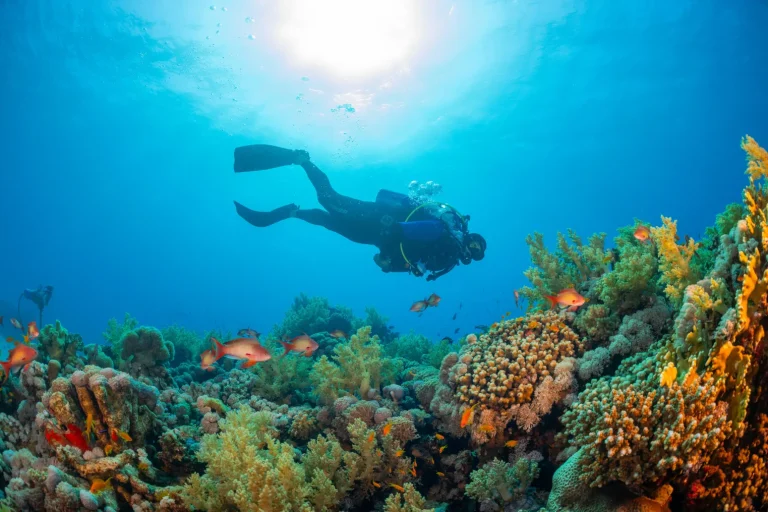
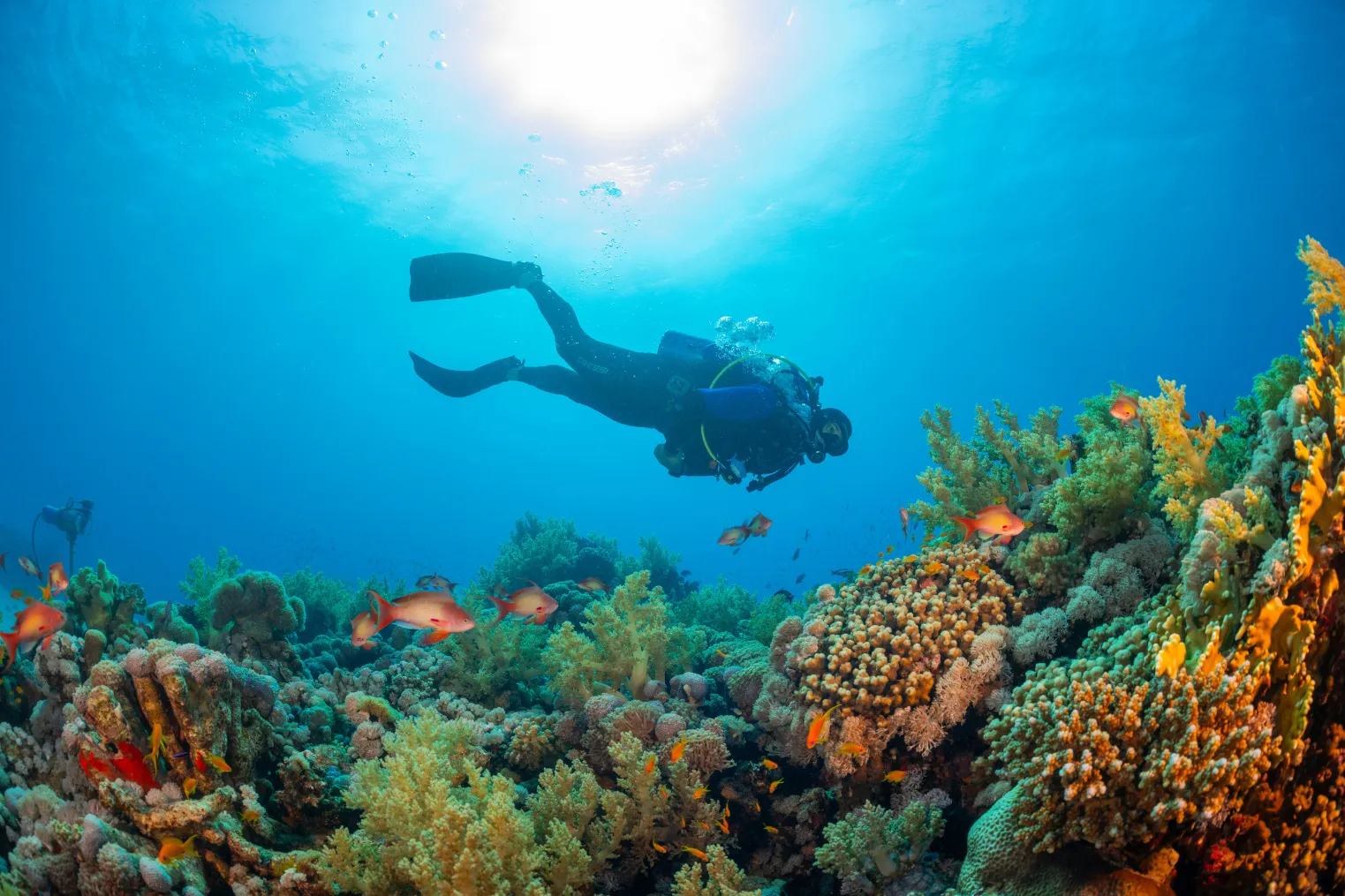
Booking a beginner scuba tour can feel like stepping into a floating dressing room where most of the costume is waiting for you. You’ll usually get the basics like mask, fins, wetsuit, BCD, regulator, and tank, so you can focus on the hiss of your breath and the first cool drop below the surface. But some operators charge extra for weights, boat fees, or a dive computer, and that’s where the small print starts to matter.
Key Takeaways
- Most beginner scuba tours include core gear: mask, snorkel, fins, wetsuit, BCD, regulator, alternate air source, and tank.
- Not all operators include everything, so confirm whether weights, boat fees, insurance, and dive computer rental cost extra.
- Ask exactly which gear is provided, its condition, cleaning routine, and how often regulators and BCDs are serviced.
- Renting is usually easiest for first-time or infrequent divers, while buying makes more sense after many dive days.
- Before diving, inspect rental gear for fit, damage, odors, working inflators, secure straps, and powered-on dive computers.
Do Beginner Scuba Tours Include Gear?
If you’re picturing a big pile of gear fees before you even dip a fin in the water, relax. Most beginner scuba tours fold renting gear into the package price, so your first splash usually feels simpler than expected. Still, don’t assume every detail is covered. Some dive shops and dive operators charge extra for a wetsuit, specialty items, or a dive computer, which often rents separately for about $25 a day. Ask what’s included before you book, including weights, boat fees, and insurance, so no surprise costs surface later. Reputable dive shops also clean regulators and wetsuits between users. If hygiene nags at you, bring your own mouthpiece or mask. It’s a small comfort that can feel surprisingly luxurious on the boat there. For beginner scuba diving in Honolulu, it also helps to know what personal items to bring along even when the core rental gear is included.
What Scuba Gear Is Usually Included?
Because beginner scuba tours aim to keep your first dive simple, they usually hand you the core kit you need to get in the water without much fuss. You can expect rental gear like a mask, snorkel, fins, wetsuit, BCD, regulator with an alternate air source, and a tank. That lineup covers the basics of your dive gear, so you can focus on breathing, buoyancy, and the odd thrill of thinking i’m going underwater. Reputable shops also clean and sanitize regulators and BCDs after use, which helps everything feel fresher. Still, many divers prefer a personal mouthpiece or mask for comfort and fit. Ask ahead if you want specialty items for conditions or photos, since they aren’t usually part of the standard beginner package. On many beginner scuba tours in Honolulu, this included gear is part of the effort to make your first dive feel straightforward and low stress.
What Gear Costs Extra on Scuba Tours?
While the basic rental kit often comes baked into a beginner tour, a few useful extras can still show up on the bill. You’ll often pay separately for a wetsuit, usually about $15 a day, and a dive computer, around $25. Some operators also charge for a personal mouthpiece, about $6, plus gloves or hoods when chilly local conditions call for them. If you rent individual pieces outside the bundle, a regulator or BCD can run $15 to $25 per day each. Over a week, costs can climb from roughly $125 in places like Phuket to about $410 in California, especially with seasonal pricing, a local surcharge, or rental insurance. Those add-ons aren’t dramatic, but they can surprise you like a splash at dock. In Honolulu price estimates, beginner scuba diving costs can vary depending on what gear is included in the tour package.
What Should You Bring Yourself?
Most beginner scuba tours hand you the big rental basics, but you’ll usually enjoy the trip more if you bring a few personal essentials yourself. Your own mask and snorkel can make a huge difference because fit is personal, and a fresh regulator mouthpiece, rash guard, or reef-safe sunscreen adds comfort without taking much bag space. If you get cold easily or plan several days in the water, it’s worth thinking about optional gear like your own wetsuit, fins, or even a familiar regulator setup. If you normally wear glasses, remember that prescription scuba masks are the practical way to see clearly underwater, since regular glasses cannot be worn while scuba diving.
Personal Essentials
Even on a beginner scuba tour, a few personal items can make the whole day feel smoother from the first mask check to the last fin kick. Your own mask improves mask fit and cuts fogging drama. A personal mouthpiece helps with mouthpiece hygiene. A thin rashguard or wetsuit helps with wetsuit fit and avoids that mystery-rack smell. In Hawaii, beginner scuba diving clothing should stay lightweight and comfortable because warm water usually means you do not need anything too bulky.
| Item | Why bring it | Note |
|---|---|---|
| Mask, mouthpiece | Better comfort, cleaner feel | Small, easy to pack |
| Rashguard, computer | Better fit, safer tracking | Tell operator if needed |
If you dive often, your own fins can boost kicking comfort, though rentals save luggage space. Bring your dive computer too, since many beginner tours don’t include one. Rental computers can cost about $25 a day when they’re available at all.
Optional Personal Gear
Because rental gear has to fit a lot of different faces and feet, the smartest items to bring yourself are the ones that affect comfort right away. Bring your own mask if you can. A good-fitting mask cuts leaks and fogging, and it makes mask maintenance easier between dives. Unlike swim goggles, a scuba mask covers your nose too, which helps you equalize properly underwater. Many beginners also like personal snorkel upgrades and booties for hygiene and softer steps on hot docks.
If you get cold easily, a fitted wetsuit beats a worn rental every time. Add a cheap personal mouthpiece for rental regulators, plus any comfort accessories you trust. If you plan more trips, consider your own dive computer since many resorts don’t include one. Entry-level models cost $200-$400, and the consistency feels surprisingly calming underwater on day one.
How Do You Choose a Scuba Tour Operator?
How do you spot a scuba tour operator that’s worth your time and money? Start by comparing local operators, then check reviews for guide experience, staff-to-diver ratios, and clear emergency plans. Ask if language compatibility will make briefings easy, and buy trip insurance before you book. Next, study the gear policy. Does the price include a dive computer, or will you pay about $25 a day extra? Ask which regulator and BCD brands they use, how old the fleet is, and whether they rotate equipment regularly. If you’ll dive several days, compare daily rental rates against package costs, because five days can add roughly $325. Bonus points if the shop lets you test different models and has an on-site technician or nearby service facility. Remember that the cheapest beginner scuba options in Honolulu often involve trade-offs in what’s included, so look closely at the full value rather than just the base price.
How Clean Is Rental Scuba Gear?
Before you gear up, ask how the shop sanitizes regulators and wetsuits, because a good operator will explain the process and hand you equipment that looks clean and smells neutral. If you spot grime, sticky straps, or a wetsuit with a funky locker-room smell, trust your nose and keep asking questions. For extra peace of mind, you can bring your own mask or spend a few bucks on a personal mouthpiece, which is a small upgrade with a big comfort payoff. Many beginner scuba packages include rental gear, so it’s smart to confirm exactly what equipment is provided and how often each item is cleaned.
Rental Gear Sanitation
While rental scuba gear may look a little road-worn, it should still feel clean, smell neutral, and seem well cared for when you pick it up. Good operators don’t just rinse gear and hope for the best. They follow shop protocols for regulators, soaking and degerming returned mouthpieces between users. Many also suggest mouthpiece ownership by selling a personal one for a few dollars, which is a simple upgrade for peace of mind. Wetsuits need cleaning too, often with enzyme solutions that target bacteria after a busy day in salt water. Since hygiene standards vary by location, ask how often gear is serviced and cleaned. If a shop answers clearly and confidently, you’re probably in good hands. In places offering wheelchair-friendly scuba, clear cleaning and maintenance practices matter even more because comfort and reliability are essential for beginner divers. Think of it as shipping sanitation for the sea.
Odor And Hygiene Signs
Even if a rental setup looks a little scuffed, your nose will tell you a lot about how clean it really is. Regulators from reputable shops should smell neutral, not funky, because trainer protocols usually include soaking and disinfecting. A mouthpiece should be odor-free, and if shared contact bothers you, buying your own silicone one costs about six dollars. Check wetsuits too. If neoprene gives off a sour, strong, or swampy smell, it likely wasn’t washed with enzyme cleaner. Scan BCs and hoses for mold, mildew, or that odd chlorine-meets-rotting scent. Good mask hygiene and solid air quality shouldn’t come with noticeable smells. If gear smells off, ask for another set or walk away. Shops that refresh rental fleets often keep everything cleaner overall. This also supports beginner scuba safety, since clean, well-maintained equipment is one of the non-negotiables for new divers.
Personal Hygiene Precautions
If shared gear makes you pause, that’s a good instinct, not a fussy one. You’re putting a regulator in your mouth and a wetsuit on your skin, so ask how the shop sanitizes returned gear. Reputable operators soak and degerm regulators, and clean gear should smell neutral, not swampy. If a wetsuit or mouthpiece has a strong odor, skip it. Many divers avoid mouthpiece swapping by buying a personal regulator mouthpiece for about $6. During COVID, shops sharpened cleaning routines and encouraged personal items, which still makes sense. Think of it as simple mask etiquette plus smart packing. Good operators often pair strong sanitation with respectful wildlife practices, which is another sign they take diver safety and professionalism seriously. Check for visible grime, cracked silicone, and loose fit. Ask about service intervals, enzyme cleaners, and locker storage. Clean gear usually looks boring, and that’s perfect.
How Do You Inspect Rental Scuba Gear?
Always give rental scuba gear a calm, hands-on once-over before you head for the boat. Use a simple pre dive checklist so nothing slips by. Look over the regulator mouthpiece and both stages for cracks, odors, or sticky residue, and ask when it was last serviced. For mouthpiece hygiene, many divers bring a cheap personal mouthpiece. Inflate the BCD fully and test the inflator, deflator, weight pockets, and releases. Think of it as light pressure testing, not detective drama. Check the wetsuit for thin neoprene, rips, funky smells, and tired seams. Then confirm your mask seals, fin straps hold, and the computer powers up with a clear display and recent battery date or rental log before you start breathing underwater with confidence and ease. Even on beginner scuba tours, a careful gear inspection is one of the most important scuba diving safety habits for new divers.
Is It Better to Rent or Buy Scuba Gear?
Often, the rent-or-buy question comes down to how many days you actually dive and how much gear hassle you want on the trip. If you dive once or twice a year, renting usually feels easier and lighter on your wallet. Daily rates for a regulator or BCD often run $15-$25, while a wetsuit is about $15, and a computer about $25. Owning gear gives you familiar controls, hygiene, and sometimes smoother breaths, but servicing and travel logistics add work. Rental kits can be newer, though some feel tired or smell faintly like yesterday’s wetsuit. A smart cost comparison,travel logistics,environmental impact check is buying personal basics first, like your mask, snorkel, boots, or maybe a wetsuit, then renting bigger items until your diving habits settle. On a beginner scuba tour with hotel pickup in Waikiki, having all major gear included can make renting feel even more convenient for first-time divers.
When Is Buying Scuba Gear Cheaper?
The math starts to shift once your logbook fills with repeat trips and your rental receipts keep stacking up like damp claim tickets at the shop counter. If you dive only on one vacation, renting usually wins. Resort rentals run about $125 a week in Phuket and $375 to $410 in Australia or California. In places where Oahu diving cost varies by tour type and included services, comparing package details can sharpen your buy-versus-rent decision. A basic kit costs $1,200 to $1,500, so the cost crossover usually appears after 20 to 25 dive days.
| Signal | What it means |
|---|---|
| One trip | Rent |
| Four rental weeks | Buying starts competing |
| usage tracking | Shows your real pattern |
| maintenance budgeting | Adds service costs |
That said, ownership needs maintenance budgeting. A BC service costs about $25 to $35, and regulator service around $99. Good gear lasts longer, which improves the math nicely.
Which Scuba Gear Should Beginners Buy First?
Start with the gear that touches your face and feet, because that’s where comfort shows up fast underwater. Buy your own mask, snorkel, and fins first. Good mask fit sharpens visibility and stops those annoying little leaks that turn a reef into a blurry postcard. Fins that suit your kick feel smoother and less clunky than rental pairs.
Next, think about a regulator mouthpiece and a dive computer. The mouthpiece is cheap, personal, and easy to pack. A basic computer makes sense if your purchase timing lines up with more than a few dive days each year.
After that, choose a wetsuit for your usual water temperature. In Hawaii, many shops recommend wetsuit thickness based on local conditions, so that’s a smart starting point if you’ll dive there often. Fit matters. Warmth depends on it. Leave BCDs and full regulators for later, once your preferences and gear maintenance habits are clearer.
Should Beginners Buy Used Scuba Gear?
You can save real money with used scuba gear, but you should look past the shiny buckles and faded straps and ask about service records, worn neoprene, and hidden bladder wear. Before you buy, check that regulators and BCDs still have available parts, because an older bargain can turn into an expensive paperweight with one hiss or leak. A safer path is to buy personal basics like a mask, fins, and snorkel used, then choose new or recently serviced life-support gear so your first trips feel smooth, not sketchy. If you are trying diving for the first time, a small group tour in Honolulu can also help you learn what gear feels comfortable before you commit to buying your own.
Used Gear Risks
Dig into used scuba gear and the bargain can look irresistible, but beginners should pause before snapping it up. A regulator can shine like chrome and still hide hidden failures, especially if it’s 15 to 20 years old. That rock-bottom $150 price isn’t a victory bell. It can signal buyer caution, short remaining life, or parts scarcity. Used BCDs bring their own mystery. The fabric may feel sturdy, yet the inner bladder could hold salt or chlorine damage you can’t see. Older designs without integrated weight pockets often hint at age too. Wetsuits fool people fastest. Neoprene can look smooth and still lose warmth after many dives, leaving you chilly the moment you slip under the surface. Online listings add even more guesswork there. For beginners who are also worried about swimming ability, rental gear and guided beginner scuba tours can be a safer first step than buying used equipment sight unseen.
Serviceability And Parts
Shiny hoses and clean fabric only tell part of the story. When you eye used scuba gear, ask whether it can still be serviced. A regulator that looks great at 15 years old may have no parts availability, which means no safe rebuild when the service interval comes due. Cheap online regulators under $150 can sound tempting, but many need obsolete kits or costly work.
You should also look for recent service records and real manufacturer support. Check that diaphragms, O-rings, and first- and second-stage kits are still sold through authorized techs. Knowing basic regulator clearing matters too, because even a serviceable second stage should be easy to purge and breathe from underwater if it floods during a dive. BCDs can fool you too. Smooth fabric may hide a bladder weakened by salt or chlorine, like a peach with a bruise underneath. If history is murky, think short trip use, not regular ownership for your dives.
Safer Buying Strategy
While used scuba gear can look like an easy bargain, the safer beginner move is usually a mix of buying a few personal basics and renting the rest. Think budget prioritization, not bargain hunting. Buy new hygiene essentials first: a mask for about $30 to $100, a snorkel around $15, boots near $20, and maybe your own $6 mouthpiece for rental regulators.
Then rent the bulky stuff while you learn what feels right underwater. In Honolulu, asking about beginner scuba accessibility can also help you choose tours whose rental gear and entry methods are easier for first-time divers to manage. Used regulators and BCDs can hide expensive trouble if they’re old, cracked, or missing service records. Some regulators past 15 to 20 years are hard to service at all. Used wetsuits need lifecycle planning too. Squished neoprene loses warmth, and a tired suit feels like a sponge by dive three.
Frequently Asked Questions
Can Non-Swimmers Join Beginner Scuba Tours?
Sometimes, you can’t join open-water beginner scuba tours if you don’t swim, but you may try shallow supervised sessions after water acclimation, buoyancy basics, and snorkel skills checks, if the operator approves and standards allow.
Are Underwater Photos Included in Beginner Scuba Tour Prices?
No, brace yourself, because your dream of free underwater memories usually sinks fast. You’ll often pay extra for photo packages, camera rental, or editing services, though some tours toss in a few teaser shots at all.
What Happens if Bad Weather Cancels the Scuba Tour?
If bad weather cancels your scuba tour, you’ll usually get weather refunds or rescheduling options. You should confirm each operator’s policy, ask about shore alternatives, and check whether partial trips, rentals, or fees get credited.
Do Beginner Scuba Tours Require Proof of Medical Fitness?
Yes, the theory that beginner tours skip health checks isn’t true; you’ll usually complete pre dive questionnaires, sign medical waivers, and undergo fitness screening. If you flag issues, you’ll likely need a doctor’s clearance before diving.
How Long Does a Beginner Scuba Tour Usually Last?
Expect a beginner scuba tour to last 2–4 hours, though your duration options vary. Your session structure usually includes briefing, gear fitting, and shallow practice; time estimates stretch to 6–8 hours on full-day boat trips.
Conclusion
Beginner scuba tours often cover the basics, but you’ll want to check the fine print before you step onto the boat. Ask what’s included, what costs extra, and how the gear is cleaned and serviced. Bring a few personal essentials and a clear list of questions. Then you can focus on the good part: that first giant stride into blue water, bubbles rushing past your ears like applause, and a dive that feels easy from the start.