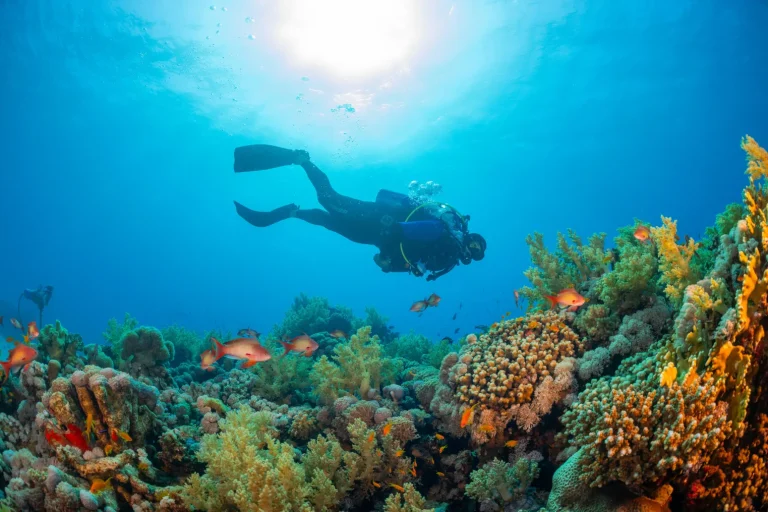
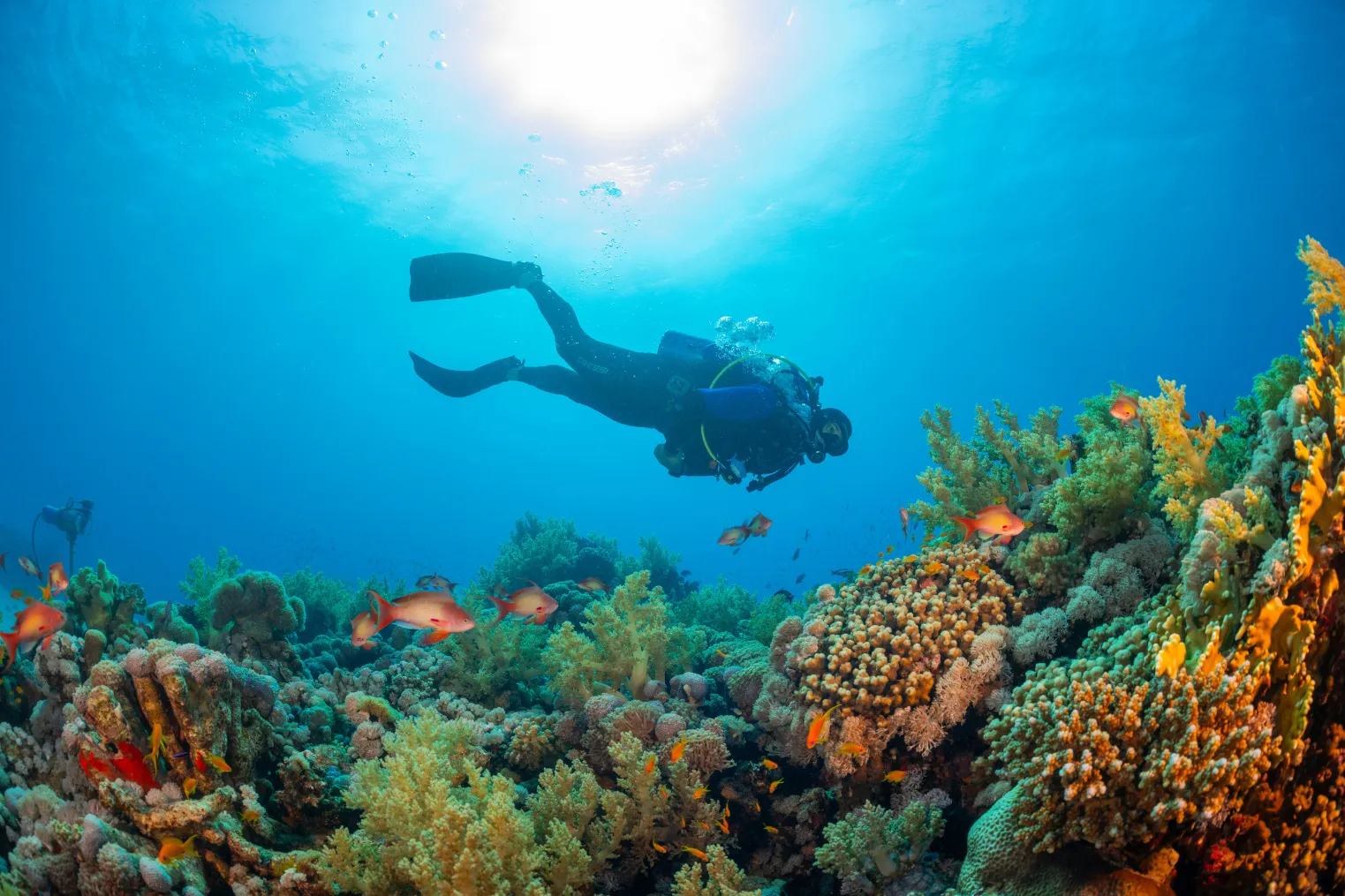
You don’t need to be a marine biologist to get reef etiquette right in Hawaii. You just need to keep your hands, fins, and feet off the coral, even when the lava rock looks sturdy and the water feels calm. One careless kick can snap years of growth. A good diver hovers, watches, and leaves only bubbles behind. The tricky part is how that rule changes everything from buoyancy to turtle encounters.
Key Takeaways
- Keep at least 1 meter from coral and never touch, kneel on, or stand on the reef.
- Use slow, controlled fin kicks and maintain buoyancy so fins and gear stay well above coral.
- Rest by back-floating or using a float vest or noodle, not by standing in shallow reef areas.
- Stay 3–5 meters from turtles, rays, and fish, and never chase, feed, or block their path.
- Avoid stirring sediment, secure loose gear, and stay out after heavy rain when murky water increases reef and health risks.
Start With No Contact on Hawaii Reefs
Even if the reef looks like a sturdy rock garden, treat it like a living city and keep every hand, fin, and knee off it.
Corals are animals, not stone, and they grow only a few centimeters each year. Brief contact can crush tiny polyps, and the mark you leave may linger for decades. So don’t touch, even for a selfie or a tap. Your skin, sunscreen, and gear can pass along bacteria and chemicals that upset coral health and invite bleaching. Good buoyancy helps. Tidy hoses and fin kicks keep you from stirring sediment or clipping fragile branches. In Hawaii, reefs also support coastal protection, so avoiding contact helps preserve benefits far beyond the dive site. If you need to pause, float and reset in water. Leave fragment where it lies. Dead coral shelters life and helps protect the shore.
Don’t Stand on Coral in Hawaii
When you stand on coral in Hawaii, you crush a living structure that grows just centimeters a year, and the snap under your fins can leave damage for decades. Even a quick step strips away the coral’s slick protective layer and harms the tiny reef homes where young fish hide. If you need a pause in shallow water, use a float vest or noodle, or tread with your knees tucked in, and you’ll protect the reef while you rest. While diving or snorkeling, keep a 10 feet distance from sea turtles so you do not disturb protected wildlife while avoiding contact with the reef.
Fragile Living Structure
Although a reef may look like a rugged rock shelf from the surface, Hawai‘i’s coral is alive, and it breaks far more easily than it seems. When you stand on coral, you don’t press on stone. You crush tiny animals growing on a brittle calcium-carbonate skeleton that adds only a few centimeters each year. A single misstep from your boot, fin, or dangling gear can snap branches and grind down ridges that took decades to build. That pressure also harms the coral’s algae partners, leaving colonies more open to bleaching and disease. Even trace sunscreen, lotion, or skin oils can rub off and stress the reef. Break enough colonies and you erase fish hideouts and dull the reef’s natural shield for shorelines and beaches. Near O‘ahu, coral reefs form a living seascape just offshore of Honolulu, making careful fin and body control especially important for divers.
Safer Ways To Rest
Resting smartly is part of good reef manners in Hawai‘i, and it starts with one simple rule: don’t stand on coral. Coral skeletons snap easily under your weight, and these reef builders grow only a few centimeters each year, so one careless step can leave damage that lasts for years.
When you need a break, float on your back or use an inflatable snorkel vest or noodle. You’ll save energy, adjust gear, and keep your body and fins off the reef. If you tread water in shallow spots, bend your knees close and use slow, controlled kicks. That helps you avoid fin bumps and keeps sediment from billowing up like underwater dust. Need to pause? Move to sand at least a meter from coral. Better yet, plan surface rests at shore. Hawai‘i’s nearshore reefs are also important habitat for green sea turtles, so staying off coral helps protect the places these threatened animals use for feeding and shelter.
Still comparing Reef Etiquette In Hawaii For Divers: Don’t Touch, Don’t Stand?
Ask for tour ideas, hotel suggestions, or a simple trip plan that combines both.
Trip Helper
Keep Your Fins Off the Reef
When you swim over a Hawaiian reef, keep your fins well above the coral and use slow, controlled kicks so you don’t clip anything delicate. One careless sweep can snap hard little branches and puff up a cloud of sediment that dims the sunlight coral needs. If you stay streamlined and move with intention, you’ll glide past the reef instead of smacking it like a tourist with flippers. Hawaii’s reefs also provide coastal protection and habitat for nearshore fisheries, so careful diving helps protect both marine life and local communities.
Fin Discipline Matters
Glide, don’t kick, if you want Hawaii’s reefs to stay as vivid tomorrow as they look today. Keep your fins at least 3 feet above coral, especially in shallow spots where one careless tap can snap fragile colonies. Tuck fins close, secure loose straps, and use short, controlled strokes. Your gear carries hitchhiking bacteria and chemicals, so distance matters. In areas where sea turtles rest or feed, follow turtle safety practices by giving them space and never blocking their path.
| Do | Why |
|---|---|
| Hover high | Coral skeletons crack easily |
| Brief your group | Good habits spread fast |
If the water gets skinny, back-float or use a buoyancy aid instead of standing. Before you enter, agree on fin position and practice hovering. If a buddy keeps drifting low, speak up kindly. Reefs reward graceful divers, as parrotfish click and lava ledges glow below.
Avoid Sediment Kicks
Stirring up the seafloor might seem harmless, but every fin kick can send a dusty cloud over coral heads and seagrass beds. Those plumes from fins stirring sand and sediment can smother coral and dim the sunlight that reef life needs. Less light means less photosynthesis for the algae that help corals thrive. Even small repeated kicks can leave water hazy and make it harder for coral larvae to settle and rebuild. In Hawaii, pairing good fin control with reef-safe sunscreen choices helps reduce your overall impact on fragile marine habitats. You can prevent that with fin discipline. Keep your fins horizontal. Use slow shallow kicks. Hover with minimal motion. In skinny water, bend your knees and tread gently, or float on your back for a break. If you want help, use a vest or buoyancy aid. Your fins should whisper, not bulldoze.
Practice Buoyancy to Avoid Reef Contact
Often, the best reef etiquette starts with buoyancy, because a calm hover keeps your body and fins about 1 meter above the coral instead of scraping a fragile surface that may grow only a few centimeters in a year.
Use a fitted BCD and tiny breaths to trim depth. Practice hovering or back-floating so you can rest without touching coral reefs. In shallow water, tread with bent knees and tucked fins. Secure gauges, cameras, and hoses close. Good buoyancy control helps beginners avoid bouncing off the reef when they get too close.
| Move | Why | Cue |
|---|---|---|
| Hover | No reef taps | Exhale slow |
| Tuck gear | Better balance | Check clips |
If you’re guiding or training, keep groups small and brief buoyancy rules before anyone drops in. That’s how you avoid the classic fin-flick blooper near delicate ledges and lava fingers below you.
Stay Back From Turtles, Rays, and Fish
When a turtle, ray, or cloud of reef fish comes into view, give it room and let the moment unfold on its own. Stay at least 3 to 5 meters away, and back off even more for big animals like manta rays. If something’s moving, don’t cut across its path or hover above it. Swim parallel and to the side so it can cruise without a detour.
Keep in mind, resting wildlife needs extra space too. Don’t approach animals lying on the bottom or hauled out on shore. In Hawaii, that also means giving spinner dolphins a wide buffer during daytime rest. Hawaiian monk seals are protected, and you should stay at least 50 feet away if you see one resting on shore or in the water. Move slowly. Keep your bubbles, splashing, and camera excitement under control. If an animal glides closer, stay calm and let curiosity lead the encounter.
Never Feed Wildlife on Hawaii Reefs
When you feed fish or turtles on Hawaii reefs, you teach them to swap wild grazing and hunting for handouts, and that throws the whole reef off balance. You also put yourself in the middle of nips, crowding, and stressed animals, while human snacks leave reef species underfed in ways you can’t see. Keep your hands and food to yourself so the reef stays lively, lawful, and wonderfully wild. Feeding marine mammals is harmful and illegal, and all wild reef animals should be given safe distance and left unfed.
Feeding Disrupts Natural Behavior
It may seem harmless to toss a snack to a reef fish, but feeding wildlife quickly throws reef life out of balance. On Hawaii reefs, feeding disrupts natural behavior because fish start linking you with easy meals instead of searching the coral for food. That shift weakens normal foraging rhythms and can leave marine life stressed or dependent. Human snacks don’t match the nutrients reef prey provides, so make sure your reef etiquette includes keeping food to yourself. When parrotfish and surgeonfish stop grazing, algae can spread and smother coral in shallow waters. Feeding also pulls animals in close, which raises the odds of bites, crowding, and bad surprises in the underwater world. Respect sea turtle distance too, since keeping space from Hawaiian sea turtles helps prevent stress and keeps encounters natural. Swim slowly, watch, and let every encounter stay calm and natural.
Keep Reef Animals Wild
A healthy Hawaii reef stays most beautiful when its animals act like nobody packed snacks. When you feed fish or turtles, you teach them to beg, rush swimmers, and ignore their real jobs on the reef. That can be illegal in some places, and human snacks don’t deliver the varied nutrients reef species need. Skip the handouts. Respectful divers and videographers also practice ethical turtle filming by keeping a calm distance and never chasing sea turtles for a better shot.
| Instead | Try this |
|---|---|
| Feed fish | Watch from 3 to 5 m |
| Crowd turtles | Give more space |
| See baiting | Report it locally |
You’ll see wilder behavior, fewer bites, and less chance of boat strikes or algae taking over. Stay back, don’t chase anyone, and let grazers graze. The reef keeps its rhythm, and you get the better show anyway. Quiet fins, clear water, natural drama, zero snack tax.
Snorkel Calmly and Keep Groups Small
Usually, the best snorkel trips feel unhurried from the start. Keep your group small and matched to the site, because Group size shapes how calmly you move and how lightly you pass over coral. When you stay together and glide slowly, you cut down on crowding, fin kicks, and those awkward photo traffic jams.
- Pre-brief simple hand signals and a route before you enter.
- Pair stronger swimmers with newer snorkelers so nobody drifts onto shallow reef.
- Use a float vest or back-float in skinny water to protect coral.
You don’t need military formation. You just need awareness, buoyancy, and patient pacing. Listen for your breathing, watch sunlight flicker on lava, and let the reef set the tempo. Check ocean conditions with lifeguards before entering, since strong currents, surf, and murky water can quickly turn a calm group outing unsafe.
Know Hawaii Reef Hazards and Retreat Rules
Calm movement matters even more once you factor in Hawaii’s reef hazards. Keep at least 1 meter from coral heads, ledges, and shelves, and never stand on them. Coral looks rugged, but its stony frame grows only centimeters each year and crushes fast under your weight. Keep your hands and fins clear too, because touch can spread bacteria, sunscreen chemicals, and disease.
Oahu also offers striking beginner scenery like underwater lava formations, which deserve the same careful distance and fin control as coral patches.
Learn your group’s Retreat Signals before you drift over lava fingers and coral patches. If you spot a resting turtle, stingray, or a shark cruising by, back away slowly in an orderly line behind your leader. No splashing, no lunges, no heroics. If you need a pause, float, back-float, or tread water with bent knees. Report unsafe wildlife or reef behavior after you exit.
Secure Gear Before You Enter the Water
Clip it down before you splash in, because loose gear has a sneaky way of turning a clean entry into a reef scrape. Before you step off the boat, secure cameras, masks, gauges, and lights with smart tether techniques. Zip extra straps into a pocket. Keep hoses snug to your body.
Clip it down before you splash in, secure loose gear, pocket stray straps, and keep hoses tucked tight for a cleaner entry.
- Use clips or short tethers so nothing swings below your hips.
- Fasten SMBs and flotation on deck, not while hovering over coral.
- Add a quick-release strap to rails or ladders for hands-free entries.
For beginner boat diving in Honolulu, this kind of setup makes entries smoother and helps new divers avoid accidental contact with the reef. Then do a buddy check. Look for dangling camera arms, fins, and clips that could kick, snag, or tap hard coral. You’ll move cleaner, lose less gear, and avoid that awful crunch nobody wants to hear underwater. It’s simple prep with a big payoff for the reef.
Use Reef-Safe Sunscreen in Hawaii
Swap the mystery goo for a reef-safe sunscreen before you head out, because what protects your skin can also drift straight onto coral. In Hawaii, skip formulas with oxybenzone and octinoxate. They’re banned in state waters and linked to coral bleaching. Pick a mineral sunscreen with non-nano zinc oxide or titanium dioxide instead. Your sunscreen timing matters too. Rub it on 15 to 20 minutes before you enter the water, so less washes off into the blue. Better yet, wear a UPF rash guard or thin wetsuit. For beginner scuba diving, a thin wetsuit in Hawaii also adds light sun protection and comfort in the water. You’ll use less lotion and still dodge the fierce midday sun. When you need more, reapply on land after your dive, not while floating above the reef. Your future fish photos will quietly thank you for it.
Reduce Noise, Trash, and Boat Damage
Look beyond your fins and you’ll see that good reef manners also include how you arrive, what you leave behind, and how much noise you bring with you. A careful approach protects the view you came to enjoy. Quiet Anchoring starts with using mooring buoys instead of dropping anchor or dragging chain across coral. Keep your engine idling to a minimum. Lower the speaker volume too. Always read and obey posted warning signs at beaches and ocean access points before entering the water.
- Pack out every wrapper, bottle cap, and zip tie.
- Secure masks, snorkels, and fins so nothing blows overboard.
- Follow no-anchoring zones and speed limits near shallow reef flats.
You’ll also help by choosing calm boat handling near wildlife and reef edges. Less prop wash means clearer water, fewer scars, and a more peaceful underwater welcome for fish, turtles, and your own first breath below.
Know Why Hawaii Reefs Are Fragile
Good reef habits make more sense when you know what Hawaii’s reefs are up against. Coral here grows just a few centimeters a year, so one careless fin kick or a quick stand on the reef can leave damage that lasts for decades. Many corals wear a thin mucus coat that feels invisible to you but protects tiny helpers living on them. Touching, lotions, and some sunscreens can strip that shield and raise microbial vulnerability, disease, and bleaching risk. Add recent heat stress and shrinking coral cover, and the reef already has fewer nooks, ledges, and fish homes. Broken fragments rarely survive. Even dead coral and shells help hold shorelines steady. Quiet matters too. Reefs need soundscapes so baby corals can settle and rebuild. After heavy rain, avoid entering murky coastal water because Brown Water Advisory conditions can signal runoff carrying sewage, chemicals, animal waste, and debris that raise illness risk.
Choose Hawaii Tours With Reef-Safe Guides
Booking the right tour can spare a reef a surprising amount of wear. You’ll want Local guides who know the site, cap group size, and finish reef-ecology or Reef Check-style training. Good operators use mooring buoys, not anchors, so chains don’t scrape living coral. For travelers new to the water, a private beginner scuba tour in Oahu can also provide closer supervision and better buoyancy guidance around fragile reef areas.
- Pick companies with clear no-anchoring policies and small groups matched to site capacity.
- Choose tours that give pre-briefs, enforce no touching or feeding, secure loose gear, and offer flotation for newer snorkelers.
- Look for guides who teach fin awareness, buoyancy, and reef-safe sunscreen rules, while keeping 3 to 5 meters from wildlife.
The best crews watch the water like hawks. They step in when guests drift too close, explain Hawaiian protections, and keep your day smooth, safe, and quietly unforgettable.
Frequently Asked Questions
Are There Fines for Damaging Coral in Hawaii?
Yes, you can face fines for damaging coral in Hawaii. You risk Monetary penalties worth thousands per violation, possible criminal charges, federal penalties, and even restoration costs if authorities determine you harmed protected reef resources.
Can I Collect Dead Coral or Shells as Souvenirs?
No, you shouldn’t, and here’s the catch: even dead coral or shells can shelter life, support beaches, and fall under local protections. Leave souvenirs. Take photos instead, or you could face fines in protected areas too.
How Should Underwater Photographers Avoid Stressing Marine Life?
To minimize disturbance, you should keep your distance, use zoom, limit close-ups, avoid flash and sudden moves, never chase or feed animals, and swim parallel while watching for stress cues so you’ll back off quickly.
What Should I Do if I Accidentally Touch Coral?
If you accidentally touch coral, do an Immediate rinse with seawater, leave the water if you’re bleeding, tell your guide, don’t remove fragments, get first aid ashore, and review buoyancy so you won’t repeat it.
Are Some Hawaii Reefs Closed Seasonally for Restoration?
Yes, like nature drawing a healing curtain, some Hawaii reefs close seasonally for restoration. You should check DLNR or NOAA notices before snorkeling or diving, because Seasonal closures protect spawning, coral settlement, and recovering habitat.
Conclusion
Think of the reef as Oahu traffic at rush hour, except the buildings are alive and grow only centimeters each year. One careless fin kick can snap decades of work. So you float, breathe slow, and keep that one-meter buffer. You watch a turtle glide past, hear your bubbles fizz, and leave nothing behind but ripples. Book guides who brief well, stash your trash, and Hawaii’s underwater city stays bright for the next diver too.