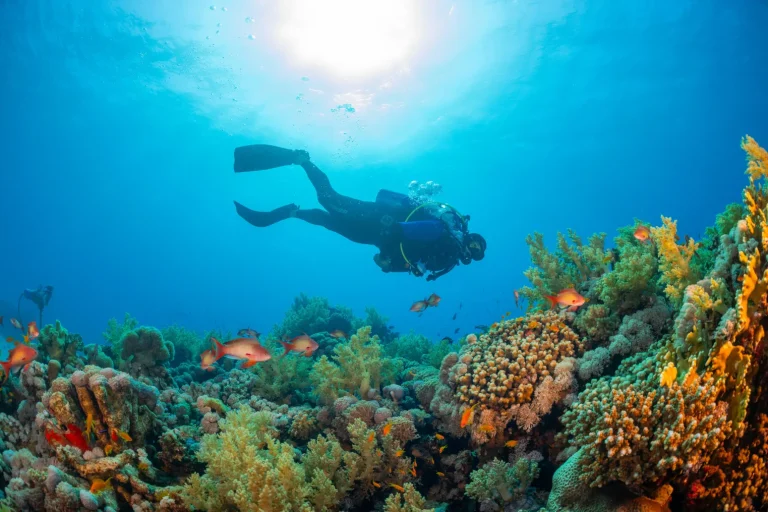
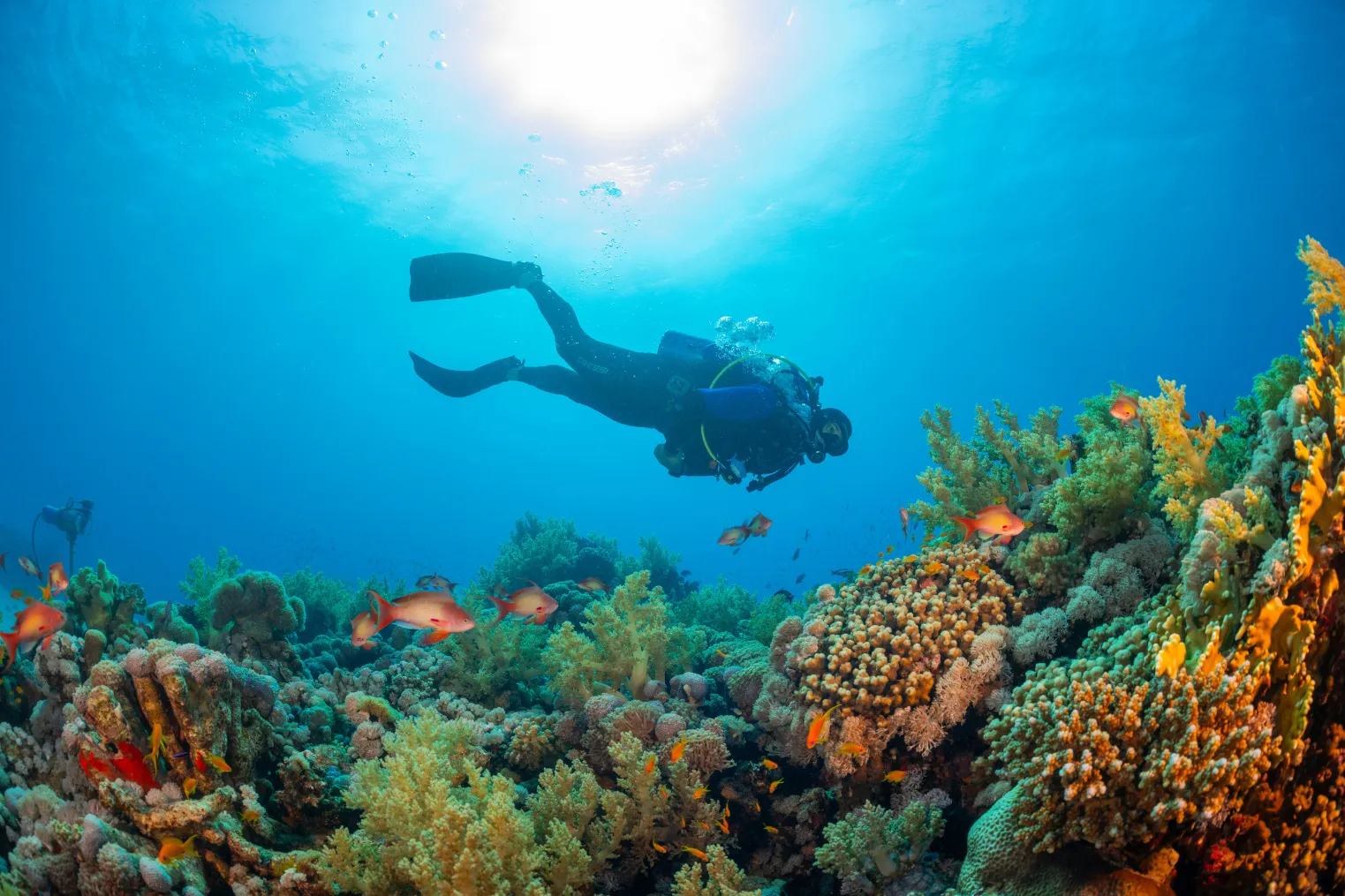
About 1 in 4 U.S. adults lives with a disability, so it’s no surprise you can find real wheelchair-friendly scuba options in Honolulu if you know what to ask for. You can roll onto a boat with a hoist, use a beach wheelchair on warm sand, or slip into calm water with trained helpers while reef fish flicker below. The key details hide in the setup, and that’s where things get interesting.
Key Takeaways
- Honolulu offers adaptive scuba through select operators, with transfer help, trained assistants, and beginner-friendly Discover Scuba options when arranged in advance.
- Boat dives are often easiest for wheelchair users; confirm ramps, lifts, transfer space, wheelchair storage, and accessible restrooms before booking.
- Shore entries are possible but harder on sand or rocks; Hanauma Bay offers tram access, volunteers, and beach wheelchairs.
- Request adaptive gear and extra setup help, such as modified BCDs, simpler weight systems, one-handed inflators, or approved scooters.
- Book 48 to 72 hours ahead and get accessibility details in writing, including pickup, battery rules, staffing, and cancellation backup plans.
Can You Scuba Dive in Honolulu With a Wheelchair?
Absolutely, you can scuba explore in Honolulu with a wheelchair, and the setup is often more workable than people expect. You can find adaptive diving with transfer help, trained assistants, and boats that may be wheelchair accessible. Still, each boat handles boarding differently, so you should confirm ramps, lifts, and transfer space before you book. It also helps to ask about beginner scuba accessibility in Honolulu, including what support is available before, during, and after the dive.
If you use a powered chair, plan ahead for transport, batteries, and what you’ll bring onto the boat. Volunteer helpers can also make the day smoother with beach chairs and practiced transfer techniques. If scuba feels like too much, Honolulu still opens the water to you. Hanauma Bay Nature offers calm reef views and snorkel-friendly access. Shallow dives can also reduce transfers and underwater effort, which feels wonderfully practical.
Who Offers Adaptive Scuba in Honolulu?
Start by reaching out to Dive Oahu on the west side, since they run both shore and boat dives and can work with adaptive divers when you arrange assistance ahead of time. You should also call Waikiki and West Oahu operators that offer accessible boarding and know how to help wheelchair users transfer smoothly. Some shops may also mention Discover Scuba Diving options in Oahu, which can let beginners explore without certification.
| Provider | What to ask | Why it helps |
|---|---|---|
| Dive Oahu | adaptive scuba gear | staff can plan support |
| AccesSurf | events or referrals | volunteer help may connect you |
| Aulani | water entry options | resort staff can assist |
You can also ask Honolulu instructors about adaptive scuba training, PADI Adaptive Techniques experience, and accessible pool sessions before booking. A quick phone call saves guesswork, and you’ll learn whether each shop truly welcomes your specific needs.
Shore Diving vs Boat Diving in Honolulu
Once you’ve found an operator that can work with your mobility needs, the next question is simple: shore or boat? Shore entries in Honolulu can be trickier if sand or rocks block your path. Still, places like Hanauma Bay make the idea more realistic with an electric tram, volunteers, and kiosk loaners like beach wheelchairs. You’ll want to arrive early, when crowds are lighter and the water usually feels calmer.
Boat dives often give you a smoother start. Many departures from Waikiki or West Oahu use accessible docks or vessels with ramps or lifts, and crews can help with transfers if you call ahead. For many first-timers, boat diving in Honolulu can feel more controlled because the crew handles navigation, site briefings, and entry timing. You can also ask about wheelchair storage, transfer slings, or even private charters. Sometimes the easiest path to the reef begins with leaving the beach behind first.
Best Accessible Scuba Sites in Honolulu
You’ll want to start with Hanauma Bay, where an accessible tram, beach wheelchairs, and a calm protected reef make the whole outing feel pleasantly doable. If you’d rather head out on the water, Waianae boat trips can work well too, with some operators offering assisted transfers, room for mobility gear, and easy shallow reef sites. Check the details before you book, and you can spend less time worrying about the ramp and more time watching bright fish flicker through clear blue water. Some beginner-friendly Honolulu-area dives also feature underwater lava formations, adding striking volcanic scenery to the reef experience.
Hanauma Bay Access
While Hanauma Bay is best known for snorkeling, it also stands out as one of Honolulu’s easiest coastal spots to navigate with mobility needs. At this Nature Preserve, you can start at the upper visitor center, watch the captioned orientation video, and use assistive listening devices if needed. Paved overlooks give you blue-water views, and the accessible tram rolls down to beach level all day.
At the Hanauma Bay kiosk, volunteers lend a Beach Wheelchair and store your own chair when space allows. Electric carts and trained helpers can assist with transfers near the shoreline, and lifeguards can guide beach-chair use. In the calm shallows, you’ll spot parrotfish, triggerfish, and trevallies flashing over the reef. Beginners often appreciate these calm shallows because they make it easier to see reef fish up close without venturing far from shore. Arrive early so equipment and tram seats don’t vanish.
Waianae Boat Dives
For a bigger blue-water outing than Hanauma’s calm shore, head west to Waianae, where boat trips reach shallow reef sites near Makaha and other West Shore spots. You’ll usually board accessible boats with sun and shade, roomy decks, and restrooms, which makes the ride feel easy before you even splash in.
Many Waianae operators, including boats like those used by Dive Oahu, know how to assist divers with mobility limits. You can book group, semi-private, or private trips for more tailored help. Ask about transfer assistance, portable equipment, and wheelchair storage when you reserve. Most trips run about three hours and cost roughly $139 to $222. Scuba diving cost can also vary based on trip type, operator support, and included amenities. If you use a power wheelchair, arrange accessible transport or a rental van before heading west from Honolulu.
How Transfers Work at Honolulu Dive Sites
Picture the handoff as a calm, well-practiced sequence, not a scramble at the shoreline. In Honolulu, crews often help you move from your chair to a boat seat or transfer bench with two trained attendants or a slide board. Some accessible boats also have lifting aids, and wheelchairs are available for sandy approaches at certain beach launches.
At places like Hanauma Bay, beach carts, fat-tire chairs, and kiosk volunteers provide assistance from the visitor center to the water’s edge. During organized events, several volunteers may do a careful carry when lifts aren’t there. Bring your own slings or straps if you use them. Call ahead with advance notice, arrive early, and let staff brief your companion. The process should feel steady, safe, and unhurried. For many first-time divers, the actual walking involved is limited, with most movement focused on short transfers and careful entry support rather than long distances.
Adaptive Scuba Gear Used in Honolulu
In Honolulu, you’ll find adaptive mobility equipment that makes the boat-to-water shift smoother, from buoyant transfer boards to hoists and lift-equipped boats that spare you the awkward shuffle. You can also use modified weight systems for steadier buoyancy, plus wrist-mounted paddles or light one-handed sea scooters that help you move through calm blue water with less strain and a soft electric hum. As with beginner scuba diving, it helps to ask in advance what support, instruction pace, and entry method are included so you know what to expect on the day of your dive. If you’re planning ahead, you’ll want to confirm gear with the operator early, bring your own mask and snorkel, and test any propulsion device in a pool so everything feels easy once you’re out on the reef.
Adaptive Mobility Equipment
Start with the gear, and Honolulu’s adaptive dive scene looks thoughtfully hands-on from the very first transfer. You’ll often see trained staff use Hoyer lifts or two-person transfers to move you from wheelchair to boat or shoreline entry with calm, practiced teamwork. At select Oʻahu sites, fat-tire beach wheelchairs and access mats help you roll over sand instead of fighting it. Hanauma Bay stands out here, where kiosks and volunteers can help stage equipment, store personal chairs, and bring you closer to the waterline. You may also find adaptive scuba gear set up for easier handling, including modified regulators, one-handed BCD inflators, and simpler weight systems. It’s practical gear, not sci-fi, but it can make the path from parking lot to splash-in feel smoother. For first-timers, shore diving around Oʻahu is often described as one of the more approachable ways to get comfortable with entry techniques and nearshore conditions.
Buoyancy And Propulsion Aids
Once you’re at the water’s edge, the focus shifts from getting there to moving well once you float. In Honolulu, adaptive buoyancy aids like modified BCs and flotation vests give you extra lift, steadier trim, and less need to kick hard. Fat-tire beach wheelchairs or electric carts can roll you across soft sand to shallow water, where teams fine-tune your setup. In Hawaii, many dive shops commonly use 3mm wetsuits in local waters, which can pair well with adaptive gear by keeping divers comfortable without adding too much bulk.
- Wrist paddles support one-handed propulsion without tiring your shoulder.
- Compact sea scooters add light, simple thrust and a little grin factor.
- Medium-weight fins reduce hip and knee twisting.
You’ll often pair gear with human help too. AccesSurf volunteers can assist with carries, transfers, and buoyancy checks, while redundant flotation adds a calm margin of safety in choppy shallows near shore.
Can Beginners Try Adaptive Scuba?
Absolutely, beginners can try adaptive scuba in Honolulu, and you don’t need a long dive resume to get your fins wet. As a beginner, you can start with a Discover Scuba dive or a confined-water lesson. Trained staff, modified gear, and one-on-one support help wheelchair users feel steady and curious, not rushed. A Discover Scuba dive is often the simplest first step in Hawaii because it lets beginners try scuba with close supervision before committing to a full certification course.
| What you need | What you can expect |
|---|---|
| Basic medical clearance | Calm practice and adaptive equipment |
| Swimming comfort | Sheltered reefs like Hanauma Bay or Makaha |
You may use larger buoyancy compensators, adjusted weights, or, with approval, paddles or a Bixpy scooter. The water often feels glassy, the reefs look bright, and your first adaptive scuba session can feel surprisingly natural. You hear bubbles hiss and watch sunlight flicker across sand below near shore.
How to Book Accessible Scuba in Honolulu
You’ll want to book your Honolulu accessible scuba trip at least 48 to 72 hours ahead, then call the operator directly to confirm ADA-compliant boarding gear, staff help, and any lift or hoist needs. Ask smart questions about transfer assistance, adaptive equipment, and whether they offer calm shallow reef outings that fit your comfort level. If you need extra logistics, reserve an accessible van early and confirm the marina’s drop-off access, because smooth planning beats last-minute dockside scrambling. It also helps to confirm how early to arrive for your Honolulu scuba dive so boarding and accessibility support stay on schedule.
Advance Reservations
Start early and call your dive operator before you lock in a date, because accessible scuba in Honolulu usually works best with at least 48 to 72 hours of notice.
To keep the process smooth, call dive operators in advance and book early, especially for weekends and summer sailings. Some operators, including options for hotel pickup in Waikiki, may be able to simplify transportation planning if you confirm accessibility details ahead of time. Ask what transfer equipment and crew support they can arrange, from benches to extra hands with gear. Then get every promise in writing, along with weather and staffing backup plans.
- Share your mobility needs and any battery handling rules.
- Request adaptive gear and extra help with setup.
- Confirm vessel accessibility details before you pay.
That bit of planning can turn the harbor morning into the fun part, with winds, clinking tanks, and less last-minute scrambling.
Confirm Accessibility Details
Once you’ve got a date in mind, pin down the access details before you pay a deposit. Contact operators like Dive Oahu at least 48 to 72 hours ahead. Ask about wheelchair friendly boats, ramps or lifts, and whether staff can handle assisted water entries. If you’re new to diving, ask whether they offer beginner scuba tours and how they adapt instruction for first-time divers with mobility needs. Check the boat itself too. You’ll want level boarding, wide gangways, an accessible restroom, and crew who can secure your chair without fuss.
Then ask about beach wheelchairs, hoyer or ableSling transfers, adaptive rentals, and whether instructors know PADI adaptive methods. Confirm medical and certification rules. If you’re arranging accessible travel or a van from Wheelers, line up timing early. Book popular Waianae or Ka‘ena trips fast, and get every promised accommodation and cancellation policy in writing beforehand too.
Accessible Transportation to Honolulu Dive Sites
Often, getting to Honolulu’s dive sites is easier than first-time visitors expect, especially if you line up accessible transportation before the salt air starts calling. From HNL, request wheelchair help 48 hours ahead and use lift-equipped inter-terminal shuttles to reach ground transport smoothly, with less hassle than you’d think.
- Book Wheelchair-accessible van rentals if you want freedom for early departures, tanks, and sandy gear runs to West Oahu.
- Use TheBus low-floor accessible buses for ramps, stop announcements, and reliable routes near many departure points.
- Check rideshare WAV options for quick pickups, but leave extra time during busy visitor seasons.
If you’re heading out on a boat dive, planning ahead for seasickness tips can make the ride from Honolulu more comfortable for beginner divers. You can also apply for TheHandi-Van if you’re eligible, or ask your dive operator whether an accessible pickup is available from Waikiki or Honolulu hotels.
Can Caregivers and Service Animals Come?
Bring your support team along, because caregivers are welcome at many accessible scuba and ocean programs in Honolulu, and they can usually help with transfers, pool sessions, or beach setups if you check in with the operator first. Some accessible programs ask helpers to attend a briefing, sign waivers, or meet simple training rules for hands-on support.
You should also ask early about service animals. They’re usually fine in resorts, airports, and many public beach areas, where salt air and rolling surf are part of the scene. But dive boats, marine parks, and places like Hanauma Bay may have wildlife or hygiene limits. Call 48 to 72 hours ahead so operators can confirm policies, reserve beach wheelchairs, and line up volunteers if needed there. While planning beach access or shoreline viewing, remember Hawaiʻi’s recommended distance rules for marine wildlife, such as staying at least 10 feet from sea turtles and 50 feet from Hawaiian monk seals.
Safety Tips for Adaptive Scuba in Honolulu
Always start by calling dive operators before you book, because Honolulu’s adaptive scuba options vary more than the postcard-blue water suggests. To stay safe, contact dive operators early and ask about assisted-entry boats, trained crew, private dives, and transfer methods.
Call Honolulu dive operators before booking; adaptive scuba access, crew support, and transfer options can vary more than the water suggests.
- Get medical clearance from a diving-savvy physician, then confirm oxygen, first aid, and recompression plans.
- Pick calm morning departures and protected reefs, where the surface feels gentler and the ride is less bumpy.
- Protect your gear and energy. Request wheelchair handling for flights, rent heavy equipment locally, and bring reef-safe sunscreen plus any propulsion aids you prefer.
For first-time divers, protected reefs in Honolulu are often among the best places to begin because conditions can be more manageable for beginners.
Before you splash in, review limits, exits, and hand signals. A smooth briefing beats surprises, even when the ocean looks as friendly as glass from the pier.
Frequently Asked Questions
What Is the Best Season for Adaptive Scuba in Honolulu?
April through October suits you best for adaptive scuba in Honolulu, because you’ll usually get calm seas, warm waters, and limited rains. You can count on easier entries, clearer visibility, and smoother morning dives then.
Are There Age Limits for Wheelchair-Friendly Scuba Programs?
Yes, you’ll find age ranges for wheelchair-friendly scuba programs vary by operator: some accept kids 8–10+, teens often need guardian consent, adults may need medical waivers, and courses usually start at 10 for Open Water.
How Much Does Adaptive Scuba Typically Cost in Honolulu?
You’re usually looking at $150–$300 for intro adaptive sessions and $400–$700 for certification in Honolulu; private lessons, equipment rental, instructor qualifications, and transportation logistics can raise prices, while discounts sometimes lower your total cost overall.
Will Travel Insurance Cover Adaptive Scuba Activities in Honolulu?
Yes, your travel insurance might cover adaptive scuba in Honolulu, but you’ll need to check insurance exclusions, add policy riders, and provide medical documentation; you should also confirm medevac, injuries, and pre-existing condition coverage first.
Can Certified Adaptive Divers Rent Equipment Without Booking a Guided Dive?
Yes, about 70% of Honolulu shops let certified divers arrange equipment rental without a guided dive, but you’ll need your certification card, sign liability waivers, and confirm accessibility logistics and adaptive gear support ahead first directly.
Conclusion
Honolulu doesn’t make you guess for long. If you plan ahead, confirm the lift or slide board, and choose the right crew, you can roll to the shore or board a boat and keep going. Then the island changes. Tires leave the sand. Bubbles rise. A green sea turtle slips past the reef and everything goes quiet except your breath. That’s the real surprise. The hardest part may be deciding which protected blue corner you’ll explore first.