Honolulu can feel both easy and wild. You step into warm blue water near Waikiki, yet a few smart questions can shape whether your first dive feels calm or chaotic. Ask about instructor credentials, shore entry, morning conditions, depth limits, health forms, and emergency gear before you book. The right answers can turn fluttery nerves into that quiet, mask-bubble focus you’ll want to know more about.
Key Takeaways
- Ask whether they offer calm, protected beginner sites like Magic Island or Kewalo Basin, preferably with morning starts for easier entries and better visibility.
- Ask about prerequisites: minimum age, swim or float requirements, and whether confined-water options exist if you are not fully comfortable.
- Ask which program fits you best: Discover Scuba for a supervised trial or Open Water certification over two to three days.
- Ask about depth limits, group size, and whether private or low-ratio instruction is available for extra support and accessibility.
- Ask if instructors are PADI, SSI, or NAUI certified, follow DAN safety standards, and keep emergency and oxygen-response training current.
Is Beginner Scuba Diving in Honolulu Right for You?
So, is beginner scuba diving in Honolulu right for you? If you can swim, float on your own, and meet the age minimum, probably yes. beginner scuba divers often start at calm shore sites like Magic Island or Turtle Canyon, where the water feels warm and clear instead of intimidating. You’ll get mid-70s to 80s temperatures and visibility around 60 to 100 feet, so reefs and fish come into view fast. Before you book, check the medical questionnaire. Uncontrolled asthma, recent surgery, or some heart issues may require a doctor’s clearance. If currents make you uneasy, ask for guided sessions in protected water behind seawalls. Book early for busy weeks, and confirm the shop follows PADI/DAN safety standards. Many operators offer PADI Open Water training. On your first dive, expect a simple skills briefing and close supervision so the first dive feels manageable and fun.
Should You Choose a Discover Dive or a Course?
Once you know Honolulu’s beginner-friendly water suits you, the next choice is simpler than it sounds: try a Discover Scuba session or sign up for a full course.
In Honolulu, the beginner-friendly water makes your next step easy: sample scuba for a day or start full certification.
- Choose Discover Scuba if you want one supervised taste of reef life, with one or two shallow dives around 30 feet and almost no classroom time.
- Pick PADI Open Water if you want the full path: online or classroom study, pool-style skills, and four open-water dives over two or three days.
- Think about value. A discover dive usually costs less today. Certification costs more now but pays off later with rentals and dive access worldwide.
- Before booking, ask what’s included, who leads it, and whether you need medical clearance. Good shops follow DAN and PADI protocols.
You can also compare course availability online, since some PADI dive shops confirm Open Water openings 24/7 and let you book in minutes.
What Are the Swim and Health Requirements?
Before you suit up in Honolulu, you’ll need to feel at ease in the water, since many shops ask you to swim on your own and may check that you can cover about 200 yards or float for 10 minutes. You’ll also fill out a medical form, and if you’ve had asthma, ear or sinus trouble, heart issues, seizures, or a recent cold, you may need a doctor’s okay before you go. Kids can usually start junior certification at 10, adults can join at any age if they’re medically fit, and your ears need to clear pressure without a fuss. Even if you’re not a strong swimmer, some operators may still allow beginner dives if you’re comfortable in the water and meet basic swim requirements.
Swimming Comfort Basics
Even if Honolulu’s reefs look calm from the boat, scuba starts with a simple question: do you feel at ease in the water when no one’s holding you up?
Most beginner programs want to see that you can swim,float unassisted, and stay relaxed if a mask splashes or fins feel awkward.
- Expect a basic swim test, often 200 yards.
- You’ll usually tread water for 10 minutes.
- Junior Open Water often starts at age 10.
- If laps aren’t your thing, ask about Discover Scuba or a confined-water intro.
On a beginner scuba dive, instructors also usually walk you through check-in, gear setup, and how the descent and surfacing will feel before you enter open water.
These checks aren’t about speed. They’re about comfort, breath, and calm. In Honolulu, that confidence matters when salt stings your lips and the Pacific gently bobs beneath you like a slow blue cradle.
Still comparing Turtle Canyon?
Ask for tour ideas, hotel suggestions, or a simple trip plan that combines both.
Trip Helper
Medical Clearance Needs
Feeling calm in the water is the first green light, but Honolulu shops also want to know your body can handle pressure, salt, and a tank on your back. You’ll usually need to show basic swim comfort, like a 200-yard swim or a 10-minute float or tread, before class begins. Then you’ll fill out a medical questionnaire. If you note asthma, heart issues, seizures, recent surgery, or certain medications, the shop may ask for a doctor’s clearance. The same goes for ear or sinus infections, heavy colds, or breathing trouble, because equalizing underwater can feel like a stubborn airplane descent. Bring forms early. Operators can turn you away without completed paperwork or a timely doctor’s letter, and even certified divers run into that rule. If you’re wondering about certification in Hawaii, many Honolulu operators let beginners try introductory dives, but medical screening still applies.
Age And Fitness
While Honolulu’s reefs may look easygoing from the boat, dive shops still want proof that you can move through the water with calm control and handle the physical side of scuba. Before class, ask these basics:
- Can you swim about 200 yards or tread or float for 10 minutes without help?
- Are you at least age 10 for a junior course, or 15 for standard Open Water rules?
- Did your medical form flag asthma, heart issues, seizures, recent surgery, or ear and sinus trouble?
- Can you equalize comfortably, even after a stubborn cold or stuffy flight?
Many beginner packages also include a short confined-water skills session, which makes it even more important to be honest about your comfort level and physical readiness. There’s no hard upper age limit. Your fitness matters more. Instructors look for steady cardio, decent mobility, and calm breathing. If health questions pop up, bring physician clearance and save yourself dockside disappointment later.
How Do You Choose a Beginner-Friendly Honolulu Dive Shop?
How do you spot a Honolulu dive shop that makes your first underwater breath feel exciting instead of stressful? Ask if the shop offers PADI Discover Scuba or guided intro dives for uncertified guests. Confirm low student-to-guide ratios, ideally 4:1 or better.
Check that the operation is PADI-, SSI-, or NAUI-certified and follows beginner safety standards, local rules, and DAN emergency plans. Ask what gear you’ll get, how often regulators, BCDs, masks, wetsuits, and computers are maintained, and whether staff do pre-dive checks and post-dive rinses. See where beginners train too. Calm shore entries and protected practice areas like Magic Island or Kewalo Basin can feel wonderfully manageable. Small group formats can make beginner scuba in Honolulu feel more personal, flexible, and less intimidating for first-time divers. Finally, ask about medical forms, age minimums, trip length, and cancellation policies, especially around December holidays.
What Instructor Certifications Should You Look For?
You’ll want an instructor who holds a PADI Open Water Scuba Instructor credential or an equivalent from SSI or NAUI, because that tells you they’re cleared to teach the courses you’ll actually use in Hawaii. It’s also smart to look for someone with higher-level teaching credentials and real Honolulu experience, especially at Oahu shore sites where surge, currents, and slick entries can turn a calm morning into a salty puzzle. Before you book, check that they keep CPR, First Aid, and DAN oxygen provider training current, because good safety standards should feel as steady as the trade winds. If you’re new to diving, ask whether they can guide you through PADI eLearning before your in-water training, since the knowledge portion is completed ahead of the practical sessions.
Agency Certification Standards
Before you book a snorkel excursion in Honolulu, check that your instructor and shop are tied to a major training agency like PADI, SSI, or NAUI, because those names signal standardized teaching and safety rules that travel well from the classroom to the reef.
- Ask if the instructor holds active PADI, SSI, or NAUI professional status.
- Confirm CPR, First Aid, and Oxygen Provider cards are current.
- Check whether the dive shop follows DAN emergency plans.
- Request liability insurance and dealer or business accreditation.
Those details tell you the operation meets agency standards, keeps paperwork fresh, and treats safety as more than a laminated poster by the door. In Honolulu, that kind of consistency matters when salt, sun, and surf add their own opinions each day. PADI training follows performance-based progression, meaning students earn certification by demonstrating the required knowledge and skills rather than just showing up for a set number of hours.
Instructor Experience Level
Even in Honolulu’s postcard-blue water, the person guiding you matters as much as the reef itself. You should look for a current PADI Open Water Scuba Instructor credential, or an equivalent from SSI or NAUI. It also helps when a shop has an Instructor Trainer or Course Director on staff. That extra oversight can feel like a steady hand before your first giant stride. For first-timers comparing options, asking whether a shop offers private beginner dives can also help you gauge the level of attention and accessibility you can expect.
| Ask | Why it matters |
|---|---|
| Current instructor cert | You trust the basics |
| Local training dives led | You feel calmer in surf |
| Shore, current, night experience | Honolulu gets real fast |
| Small student ratios | You get more eyes, less guesswork |
Ask how many local training dives they led this year, then read reviews for site briefings and screening before you book that cheerful boat.
Emergency Training Credentials
Good local judgment matters most when something goes sideways, so ask about emergency training right after you ask about teaching experience.
- Verify a current PADI, SSI, or NAUI instructor certification, and ask to see the instructor number and agency card.
- Confirm up-to-date CPR/First Aid and DAN Emergency Oxygen Provider credentials, or equivalents, and check expiration dates.
- Ask how the shop handles evacuation to shore, the nearest hyperbaric chamber, and whether it keeps active DAN membership.
- Look for recent Honolulu dives, liability insurance, medical screening, emergency action plans, and on-boat oxygen and first-aid gear.
Those details tell you who knows local surge, reef cuts, and the fast practical steps that count. You’ll hear confidence in the answer, not beach-talk or a shrug before splash time. One of the most basic scuba safety rules is to never dive without proper emergency planning and a trained professional in charge.
How Small Should Beginner Scuba Groups Be?
Usually, the best beginner scuba classes in Honolulu keep things delightfully small, with about four to six students per instructor so you get real hands-on practice instead of watching a crowd fumble with masks and fins. For beginner Open Water courses, that size lets you repeat skills, hear directions over the splash, and get quick corrections before small mistakes grow teeth.
If you’re trying Discover Scuba Diving, ask for a 2:1 to 4:1 ratio during pool-style practice and the shallow ocean portion. On shore entries, cap groups at six or fewer so busy shallows don’t turn into a tangle zone. On boat dives, ask whether divemasters or guides help with navigation and whether an assistant stays topside for fast response when plans change suddenly nearby.
When comparing beginner scuba tours, ask whether operators adjust group size based on skill level, entry type, and how much in-water support first-time divers need.
Is Gear Included in Honolulu Beginner Dives?
You’ll usually get the core rental kit in Honolulu beginner programs, including a BCD, regulator, tank, weights, wetsuit, and often mask, snorkel, and fins, so you can focus on the warm water and the hiss of your first breaths. You may still want to bring your own mask for a better fit, because a foggy rental lens can turn a bright reef into a blur. Before you book, check what costs extra, since items like a computer, prescription mask, or shop deposit can sneak onto the bill like an unexpected splash. Most beginner scuba tours include all the necessary basic gear, but it’s still smart to confirm exactly what your Honolulu operator provides.
Included Rental Equipment
Most Honolulu beginner dive packages come with the big-ticket gear, so you can plunge in without hauling a closet of equipment to the boat. You’ll usually get a BCD, regulator, tank, weights, and a wetsuit, which covers the essentials for your first bubbles and that salty boat ride.
- Ask if your mask, snorkel, and fins are included.
- Check whether training dives provide a dive computer.
- Confirm if weights come with a belt or an integrated BCD system.
- Find out how rinsing and same-day returns work.
That short list saves surprises at check-in. Many Honolulu courses include mask, snorkel, and fins, but single intro dives don’t always. A well-fitted mask matters. It keeps the reef in focus instead of turning your dive into a blink-and-squint comedy. For beginner dives in Honolulu, it also helps to ask whether staff include a basic fit check for rental gear before you head out.
Extra Gear Costs
Often, the advertised price for a Honolulu beginner dive covers the core kit, so you can focus on the reef instead of doing rental math at the dock. Still, you should ask what isn’t included. Many shops bundle BCD, regulator, tank, weights, and a wetsuit, but your mask, snorkel, and fins might cost extra. Discover Scuba trips often include everything for a short guided dip. Full Open Water courses may separate personal items and charge more for dive computers. Specialty add-ons like full-face masks, scooters, or thicker suits usually come with daily fees. You may also need a credit card hold or damage deposit for rented gear. During holiday weeks and some charters, rates can climb, so call and get the list in writing. It also helps to confirm whether essential gear for beginner scuba diving in Honolulu includes personal fit items you may prefer to bring yourself.
Are Shore Dives or Boat Dives Better for Beginners?
Usually, shore dives make the best starting point in Honolulu because they keep the first day simple and calm. You get easy entries, shallow water, and protected practice space where you can repeat skills without boat noise or rolling decks.
- Pick shore dives if you want a relaxed first try.
- Choose them when wind, swell, or currents look annoying.
- Consider boat dives after you know basic skills and motion doesn’t bother you.
- Ask whether your must-see sights require a boat and fit your comfort level.
Many shops offer discover-scuba shore sessions for uncertified guests, so you can test the water before booking more. Boat dives open bigger adventures, but boarding, entries, and seasickness can humble complete beginners on choppy mornings more than you’d expect. Honolulu boat diving can still work for beginners when conditions are calm and the crew explains entries, timing, and what to expect on board.
Which Honolulu Dive Sites Are Used for Training?
Around Honolulu, instructors tend to choose dive sites that keep your first underwater lessons simple, calm, and easy to repeat. You’ll often start at Magic Island in Ala Moana Beach Park, where the lagoon behind the sea wall gives you easy shore access and room to practice basic skills without a complicated entry.
For open-water training, many shops head toward Kewalo Basin and the shallow reefs nearby. You might do checkout dives off Turtle Canyon, where reef fish and the occasional turtle make skill drills feel less like homework. Some courses also use Maunalua Bay sites such as Angler’s Reef and Koko Craters, with shallow sandy descents around 30 to 35 feet. A few instructors may mention Sharks Cove for supervised sessions, but it’s a less common training stop overall. Many of these locations are considered beginner scuba spots on Oahu because they offer manageable conditions for new divers.
What Conditions Are Best for Beginner Dives?
Once you know which sites instructors use, the next question is what the water should feel like on your first day under the surface.
After you know the sites, focus on the conditions that make your first dive feel calm, clear, and manageable.
- Look for sheltered spots with calm seas, little current, and visibility around 30 to 60 feet. You’ll feel less rushed and see more.
- Pick protected bays or shore entries behind sea walls, like Magic Island, where surge stays mild and entries feel simple.
- Book morning beginner dives. Winds are usually lighter, the surface looks glassier, and stepping in feels less like wrestling a washing machine.
- Check Surfline for tide and swell. Skip high surf, strong currents, and big trade-wind swell. Honolulu water stays about 75 to 82 degrees, so a 3 mm wetsuit usually keeps you comfortable on training days.
Beginner-friendly Honolulu sites usually have 30 to 60 feet of visibility, mild surge, and minimal current, which makes skills practice and communication much easier.
What Depth Limits Apply to First-Time Divers?
If you’re trying scuba for the first time in Honolulu, don’t expect a deep drop into blue water right away. Most intro dives cap you at about 40 feet under supervision, and many operators keep uncertified guests shallower, often between 10 and 40 feet at shore or boat sites. In Hawaii, beginner dive depths often stay within this same supervised range to keep first-time experiences manageable.
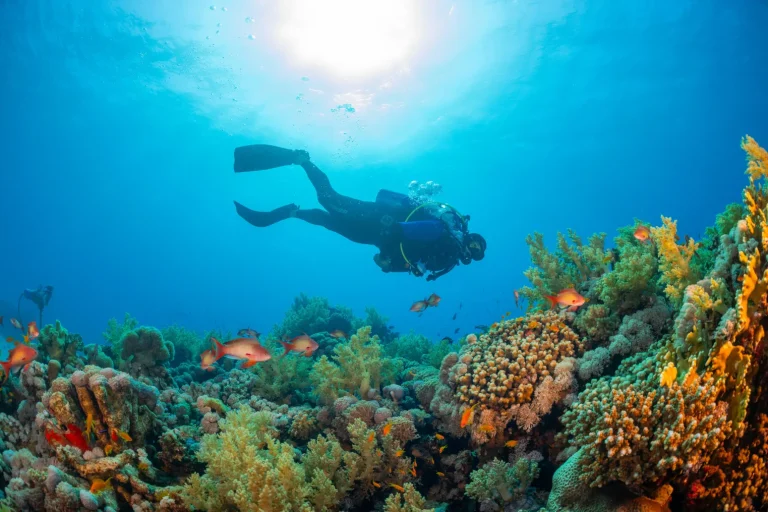
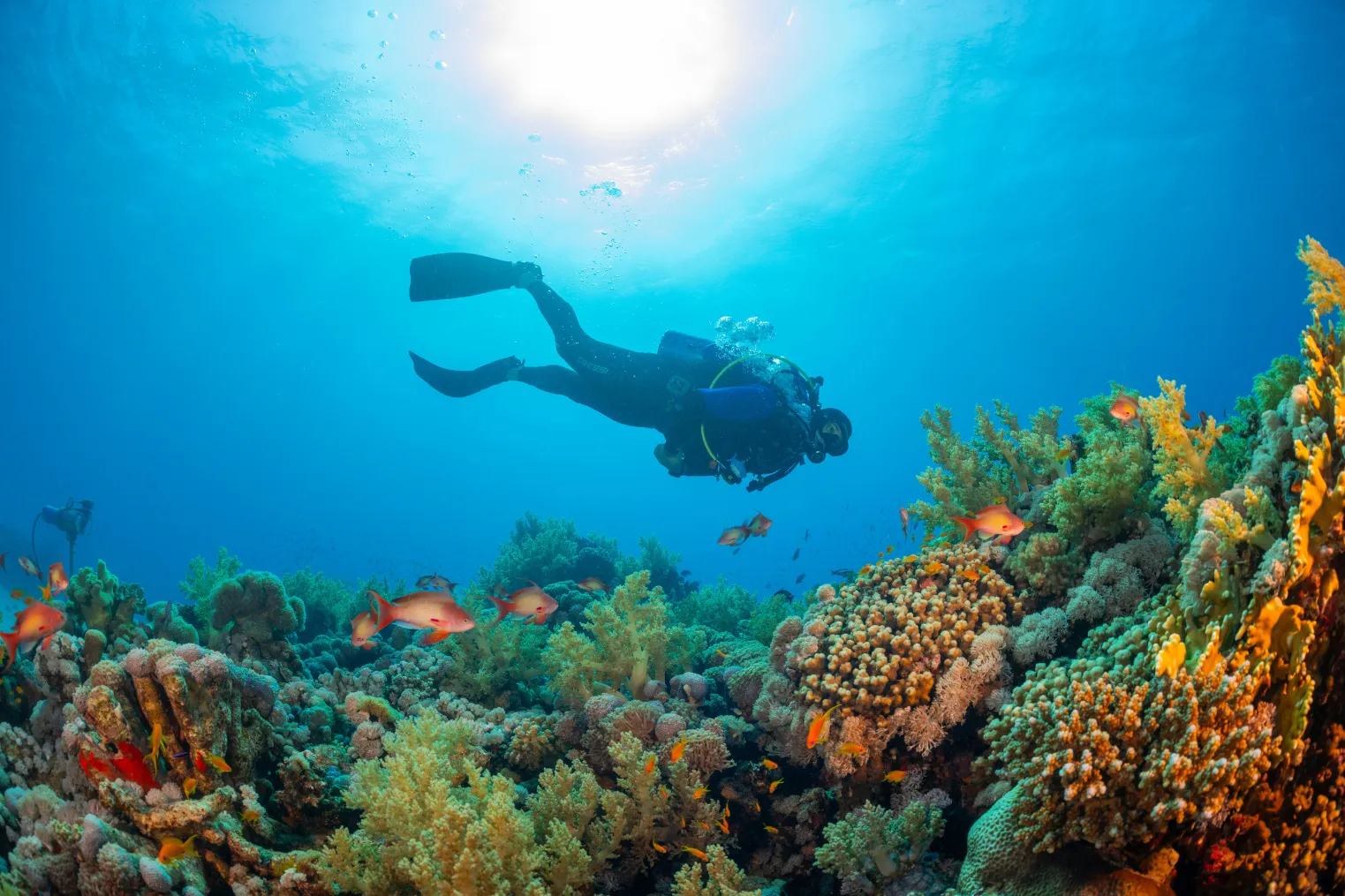
That still gives you plenty to see when you go scuba diving. You might hover above coral heads, spot reef fish flashing like confetti, and hear your own bubbles crackle upward. If you’re taking a PADI Open Water course, your early training dives stay shallow while you build skills, even though certification can later allow 60 feet. Junior Open Water divers are usually limited to 40 feet too. Before booking, ask about exact depth limits.
What Safety Procedures Should Every Operator Follow?
Before you roll backward into Honolulu’s clear blue water, a good operator should make safety feel calm, organized, and easy to follow.
- Ask if instructors are PADI or DAN trained. With SCUBA DIVING IN HAWAII, verified credentials matter.
- Expect a briefing on currents, surge, boat traffic, entry and exit, buddy rules, depth limits, and emergency ascents.
- Watch them check your tank, regulator, BCD, and weights, then make sure you know your gear.
- Confirm they track depth, time, air, and surface intervals, and carry oxygen, first aid, communications, and an evacuation plan.
- They should also explain what to do in an out-of-air emergency, including staying calm, signaling your buddy, and following practiced recovery steps.
Whether you choose Island Divers or another boat, you should see staff ready for rescue practice, not improvisation. That’s the kind of quiet confidence that lets wonder win once reef fish start flashing.
When Should You Book Beginner Scuba in Honolulu?
Good safety sets the tone, and smart timing makes your first Honolulu scuba outing much easier. For the Best Time, book a beginner Dive 1 to 2 weeks ahead in peak holiday periods, especially Dec 18 to 28. Aim for morning starts. Seas are often calmer, visibility sharper, and the light feels cleaner underwater.
| When | What to do |
|---|---|
| Peak season | Reserve 1 to 2 weeks early |
| Morning | Choose shore or intro dives |
| Certification | Save 2 to 3 consecutive days |
If you need PADI Open Water, hold consecutive days. For Discover Scuba, reserve the intro slot and arrive 30 to 60 minutes early. Call your shop 24 to 48 hours before departure to confirm harbor, site, tides, and weather using Surfline so surprises stay rare.
Frequently Asked Questions
Do Honolulu Beginner Dives Offer Wheelchair-Accessible Boats or Facilities?
Yes, some Honolulu beginner dives do, but you’ll need to call ahead. Ask operators whether boats have wheelchair ramps, wide walkways, boarding assistance, and accessible restrooms, or choose shore-based lessons with easier paved access nearby.
Are Prescription Masks Available for Beginners Who Wear Glasses?
Yes, it’s an absolute lifesaver: you can usually get beginner-friendly masks with prescription lenses, and some shops offer mask adapters or custom options. You should ask about same-day fitting, trial masks, fees, or contacts if needed.
Can Non-Diving Companions Join the Boat or Watch Training Sessions?
Yes, you can often bring non-diving companions as boat spectators or training observers, but you’ll need to call ahead. Operators vary on space, fees, waivers, age limits, and where companions may stand or sit safely.
Are Beginner Dive Briefings Available in Languages Other Than English?
Yes, like having your own Rosetta Stone underwater, you can often get beginner briefings beyond English. Ask ahead for multilingual instructors, translated materials, or a bilingual buddy so you’ll understand signals, safety steps, and demonstrations.
What Cancellation Policies Apply if Weather Changes Suddenly?
You should ask whether sudden weather changes trigger refunds, credits, or rescheduling, and when you’ll hear about cancellations. Confirm refund windows, weather guarantees, alternate-site policies, and whether courses, day-of cancellations, or third-party bookings follow rules.
Conclusion
If you ask the right questions, Honolulu can feel like the easiest doorway on Earth to your first dive. You’ll know who’s teaching you, what the water will be like, and how the shop handles safety when plans change. Then you can focus on the good stuff. Warm salt on your skin. Bubbles in your ears. Green sea turtles gliding past lava rock. Book early for calm morning conditions, and you’ll start with confidence instead of guesswork.