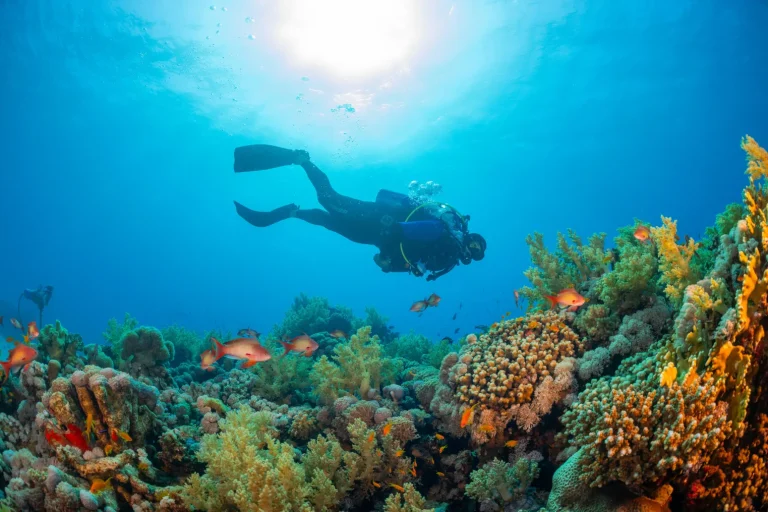
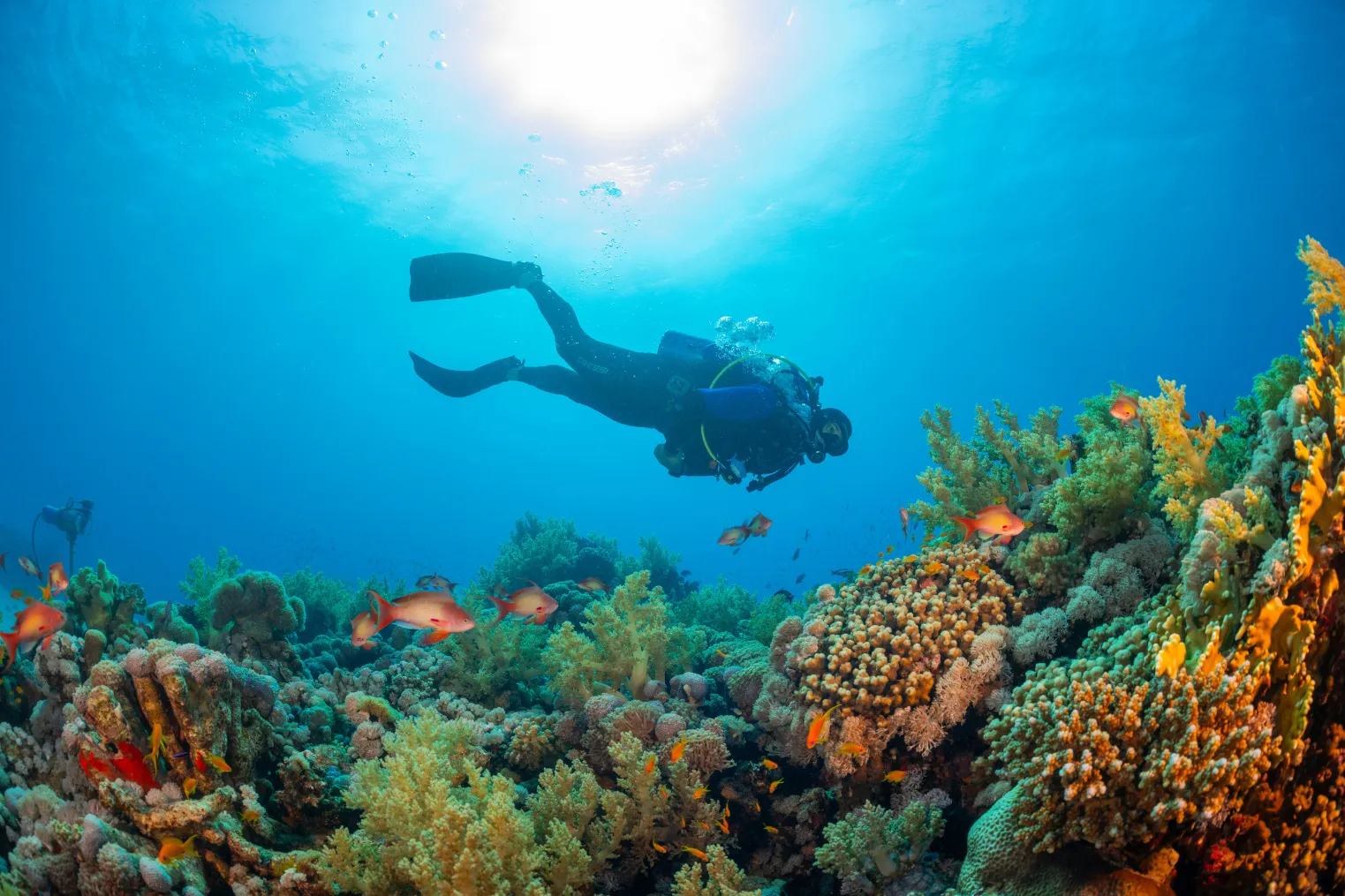
If you’re new to diving, Honolulu can feel surprisingly friendly when you time it right. Morning usually brings the clearest water, with blue views stretching far beyond the reef, while light wind keeps the surface calmer and entries less fussy. By late afternoon, surge can tug at your fins and runoff can cloud the scene fast. A mellow south shore site may look easy from the sand, but one small swell change can rewrite the plan.
Key Takeaways
- Beginner-friendly Honolulu diving is usually best on south and leeward shores, where waves, current, and shore entries are generally calmer.
- Visibility is often clearest in the morning, commonly 30 to 100+ feet at leeward reef sites before winds and runoff increase.
- Nearshore currents are often mild, but rip currents and reef-pass flow can strengthen quickly with surf, wind shifts, or channel effects.
- Surge becomes more noticeable with 2–4 ft surf, causing rhythmic push-pull that can complicate buoyancy, navigation, and shore entries.
- Beginners should use lifeguarded entry points or local guides, and skip dives when surf rises toward 3–5 ft or visibility drops sharply.
Are Honolulu Dives Good for Beginners?
For new divers, Honolulu can feel like a friendly classroom in the sea. You can find beginner-friendly sites on sheltered south and leeward coasts, where smaller waves make practice less intimidating. Many local shore schools build confidence fast by teaching entry techniques before you even fin up. You learn how to time your steps, avoid slippery rocks, and keep calm if the water shuffles you around a bit. Conditions can change with tide and surf, so you’ll want a guide or a lifeguarded entry point. Check hawaiibeachsafety.com first. Listen for the hiss of foam, watch the sets, and treat rip currents with respect. Honolulu rewards patience, awareness, and a little humility in your mask. That’s not scary, just smart ocean manners for beginners everywhere. Oahu is especially well suited to beginner shore diving because many entry-level sites let new divers practice skills close to shore.
When Is Honolulu Visibility Best?
You’ll usually get Honolulu’s clearest water in the morning, especially on leeward shores before noon, when the ocean looks glassier and the reef comes into focus. Light winds around 5 mph help keep surface chop down, while sunny, calm weather often gives you better visibility on windward and southeast shores too. Seasonal patterns in underwater visibility can also shape what you see, with calmer periods often bringing clearer conditions around Oahu. If bigger surf starts rolling in or a quick shower hits, the water can turn murky fast, so you’ll want to go after a few dry hours and steer clear of stream mouths.
Morning Visibility Windows
When is Honolulu visibility at its best? You usually get your clearest window before noon, especially from mid to late morning. That’s when sunnier skies and a higher light angle team up for mid morning clarity, better color, and less glare on the surface. Leeward sites often look cleaner than windward faces, so you’ll want to favor those easier starts.
Still, stay flexible. A brief morning shower can muddy the water fast, especially where runoff and sediment resuspension cut the view. Check local radar early and aim for a clear slot. If you time your dive before noon and avoid late afternoon haze and cloudiness, Honolulu often rewards you with calmer water, brighter reefs, and fish that seem to pop from the blue nicely. This lines up well with the best time of year, since seasonal patterns in Oahu can also influence how consistently clear and calm those morning windows feel.
Wind And Surf Effects
If the ocean looks polished and quiet in the morning, that’s usually your cue to go. In Honolulu, your best visibility shows up when winds stay light, around 5 mph, and blow offshore. On east-facing reefs, west or northwest flow keeps surface chop down, limits wind shear, and leaves the water clearer.
Once east-to-southeast winds arrive, or the swell angle favors north and east shores, things change fast. Surf in the 1 to 3 foot range can stir sand, and bigger 2 to 4 foot waves Monday may turn the entry milky. If sets push 3 to 5 feet on north faces, surge and rip currents lift grit into the water. You’ll see fewer fish outlines, hear louder shore break, and work harder than you should. Early next week, hazardous seas are expected to build sharply around Oahu, with Tuesday wave heights reaching roughly 16 to 19 feet in some waters.
Still comparing Honolulu Dive Conditions For Beginners: Visibility, Current, Surge?
Ask for tour ideas, hotel suggestions, or a simple trip plan that combines both.
Trip Helper
How Good Is Honolulu Visibility?
Often, Honolulu gives beginners the kind of visibility that makes diving feel easy right away, with sunny calm days opening up clear blue water in the 30 to 100-plus-foot range at many leeward reef sites.
You’ll find the west side clearer than the windward side, where trade winds stir chop and runoff. Still, isolated showers, haze, or seasonal plankton can trim nearshore clarity to under 30 feet. After big surf, storms, or near harbor entrances, suspended sand and surge can turn a scene into marine archaeology by flashlight, minus the treasure map. Before you gear up, check dive reports or ask operators what’s happening. Visibility shifts fast with weather and tides, so a site that looked clear at breakfast can look milkier by noon. At many beginner dive spots near Waikiki, clearer conditions also make it easier to actually enjoy spotting marine life instead of just searching through haze.
Where Are Honolulu’s Calmest Dive Sites?
Where do beginners find the smoothest water around Honolulu? You’ll usually see the calmest conditions at south-facing sites and in protected coves tucked behind reef flats. South shores show the smallest surf right now, around 0 to 2 feet today and 1 to 3 feet Monday, so surge stays softer and the water often looks glassier. Many beginner scuba tours in Honolulu also depart from south-side harbor and boat-access areas, which makes these calmer conditions especially practical for first-timers. Leeward spots can also feel manageable, with west-facing surf near 2 to 4 feet, which is moderate compared with windward exposures. Light winds around 5 mph help too, especially when a site sits on the lee side of the breeze. If you time your dive for smaller surf and lower tide windows, you’ll often get steadier water, clearer views, and that pleasant hushy reef sound beginners love most.
Which Honolulu Shore Has Easier Entries?
For the easiest walk-in, start with Honolulu’s south-facing beaches and the more sheltered leeward pockets, especially in the morning when the wind usually stays light.
If you’re planning beginner scuba diving near Waikiki, these calmer south-side entries are often the easiest place to start.
| Shore | What you notice | Entry feel |
|---|---|---|
| South-facing beaches | Small 0 to 2 ft shore break | Gentler steps in |
| Leeward pockets | Light wind, clearer surface | Easier beach access |
| Harbor ramps | Protected edges near low tide | Stable footing |
| Windward beaches | Chop, showers, rougher surface | Trickier for beginners |
You’ll usually like south shores first, then sheltered coves on leeward sides. Check for lifeguards, rocky corners, and low-tide timing. Protected ramps beat open sand when surf builds. Morning light helps you spot slick rocks, sandy channels, and exits before your fins start their comedy routine.
How Strong Are Honolulu Dive Currents?
How strong do Honolulu dive currents feel for a beginner? Usually pretty mild, especially near shore when surface winds sit around 5 mph and the water drifts instead of charging. But Honolulu likes to keep you alert. Localized rip and reef currents can switch on fast and create short bursts of pull. Around reef eddies, you may feel a gentle tug one minute and a sideways slide the next. In channels, channel shear can sharpen that contrast. Bigger surf often strengthens these flows, especially on leeward and west-facing spots. Wind shifts can also reverse direction during the day. Enter near a lifeguard and read local beach updates, because one cove may feel easy while the next acts like it skipped its morning coffee today. For anyone planning boat diving, first-time guided trips in Honolulu often help beginners experience these changing currents in a more controlled way.
What Does Surge Feel Like Underwater?
Even on a clear, easy-looking day, surge can feel like the ocean gently rocking you back and forth underwater. You notice a rhythmic push and pull at your torso and legs, while your body slides 1–3+ feet sideways and several inches up or down over the reef. That sensory displacement can make mask clearing or checking gauges feel oddly fussy. On calm Honolulu beginner dives, the motion usually rolls through every five to ten seconds, and matching your breathing rhythm helps you stay relaxed. Keep buoyancy tidy and give reefs or boat hulls a few feet of space, because surge can suddenly trim that gap. Stay slightly above the bottom too, or stirred sand may turn blue water milky in seconds around you there. On a beginner scuba dive, your instructor will usually explain these moving-water sensations before you descend so they feel more expected than alarming.
How Wind Changes Honolulu Dive Conditions
Wind often decides whether Honolulu feels glassy and welcoming or a little fussy at the surface. When you watch trade winds effects, you’ll spot a pattern fast. Light 5 mph breezes from southeast to northeast usually smooth the top layer, soften surge, and keep visibility friendlier for beginners. For beginner scuba, the ideal time of day is often early morning, when winds are lighter and the surface is typically calmer in Oahu.
| Wind setup | What you notice |
|---|---|
| SE to NE, light | Calmer entries, clearer water |
| South to southwest | More chop, stronger surge, murkier leeward reefs |
Seasonal patterns matter too. North or northeast winds can sweep cleaner water into south-facing bays, though exposed headlands may pull harder current. If forecasts turn variable, expect shifting surface flow and sneaky lateral currents near reef passes. Start near lifeguarded beaches and ask local staff what’s moving today.
How Surf and Tides Affect Beginner Dives
When surf stays small and the tide cooperates, beginner dives off Honolulu’s leeward beaches usually feel much friendlier. On calmer west-facing days, surf around 2–4 ft keeps surge relatively modest, so you can focus on breathing and entry rhythm instead of wrestling the water. Still, local waves can run bigger, and shorebreak timing matters more than the forecast board suggests.
Tides shape both footing and tide induced visibility. Around afternoon low tide, sand gets stirred near shore, especially by the reef edge, and exits feel twitchier. Higher evening tides cover more reef, soften surge, and make entries smoother. Even if light showers move through, scuba diving in the rain can still be reasonable for beginners when surf, current, and visibility remain manageable. You should pick lifeguarded access with minimal alongshore current and double-check the beach before you commit today. A curious glance can save you from awkward surprises.
What Gear Helps Beginner Honolulu Dives
You’ll feel more relaxed in Honolulu with a low-volume mask that seals well, short-blade fins, and a snorkel that keeps your kicks easy in clear Waikiki water and light nearshore currents. A 3mm wetsuit with booties adds warmth when the water feels cooler at night and gives you a little armor for reef scrapes and bumpy shore entries. Bring a surface marker buoy too, because it helps you stay visible around boat traffic and changing currents, which is one less thing to worry about when the ocean gets bossy. Most beginner scuba tours also provide the essential gear, which can make your first Honolulu dives feel simpler and less stressful.
Mask, Fins, Snorkel
Start with the basics, and your dive feels easier before you even hit the water. In Honolulu, a low-volume mask with tempered glass and a soft skirt helps with mask fit testing, easier clearing, and less fog in calm-to-moderate surf. Keep defog handy, and practice simple silicone maintenance after rinsing at dusk. Practice mask clearing in shallow water first, so a little seepage never turns into stress once you descend. Short-blade fins make reef entries feel tidier because fin propulsion mechanics favor control over brute force in light current. A plain snorkel with a splash guard or purge valve improves snorkel hydrodynamics, so surface breaths stay easy between sets.
- Your mask seals snugly, and the reef sharpens into color.
- Your fins turn quickly around rocks instead of fighting water.
- Your snorkel clears fast while low waves hiss across the beach nearby.
Wetsuit And Booties
Usually, a 3mm full wetsuit or a 2mm shorty gives beginner Honolulu dives the right balance of comfort and ease, since the water often sits in the mid- to upper-70s°F.
In Hawaii, many dive shops commonly recommend 3mm full wetsuits for typical water temperatures, with 2mm shorties also popular for warm, casual dives.
Pick a snug, well-fitted suit so you control buoyancy better and don’t waste energy in light wind or small nearshore surge. For shore entries, wear 2–3mm neoprene booties with a secure heel and a non-slip rubber sole. You’ll get better grip on wet lava and solid toe protection from reef scrapes when low tide exposes sharp substrate. Reinforced seams help on jagged entries. If you’re diving at dawn or after dark, add thermal layering with a thin hood or beanie, plus 1–2mm gloves. It keeps surface intervals from feeling surprisingly brisk, even in paradise.
Surface Marker Buoy
For beginner Honolulu dives, a bright SMB or DSMB acts like a simple flag that says, very politely, “boat, here I am.” Pick one in orange or neon yellow with an inflated length of about 4 to 6 feet so it stands out in shifting island light and in the 1 to 4 foot surf that can blur the surface. For any boat dive, plan your arrival timing carefully so you are not rushed before entry.
- Clip a 3/8-inch spool with 50 to 100 feet of line where you can reach it fast.
- Choose a one-way oral valve and backup dump, because deployment mechanics matter when currents nudge you.
- Add reflective tape, a whistle, or a strobe. That color psychology boost helps boats spot you through hazy evenings, and practice in calm shallows keeps line tension tidy, not squidgy there.
When Should Beginners Skip Diving in Honolulu?
Even in Honolulu, there are days when beginners should sit the dive out and enjoy the view from shore instead. Watch for clear skip signs before you gear up. If south or west shore surf climbs toward 3 to 5 feet, surge gets pushy and rip strength can build fast near the surf zone.
You should also rethink entry timing around low tide, when shorebreak and exits feel rougher and less forgiving. Morning often brings beginner scuba dives calmer visibility and lighter surface motion than afternoon conditions in Honolulu. If winds swing from southeast to northwest or northeast, even light breezes can shuffle current and cloud nearshore visibility. Haze and isolated showers can flatten the island’s famous blue into a gray blur, so wait for cleaner water. And if bigger sets are possible hours apart, don’t gamble. Honolulu will still be there tomorrow, with luck and calmer water.
How to Pick a Honolulu Dive Guide
Start by picking a Honolulu-based dive guide who treats safety like part of the scenery, not a footnote. Ask about local certification, Coast Guard-inspected boats, and emergency equipment like flotation and oxygen. If answers feel foggy, call the National Weather Service Honolulu or check credentials yourself. The NWS Honolulu office posts watches and advisories on its main page when conditions turn hazardous.
- Look for weather monitoring that tracks surf, tides, and shifting wind. A good guide swaps plans when south or west surf builds and rip strength rises.
- Ask how they handle shore entries, student ratios, and safety briefings. You want clear rip-current exit tips and beginner sites with shallow reefs and little surge.
- Find someone who knows visibility, current, and backup bays. When winds twitch, sheltered leeward water can feel like a quiet blue hallway for first-time island divers.
Frequently Asked Questions
Do Beginners Need a Certification to Dive in Honolulu?
No, you don’t need certification for guided introductions in Honolulu, but you do need it for independent dives and most standard boat trips. Check operators’ certification requirements, age limits, medical waivers, ID, and proof beforehand.
Are There Age Limits for Beginner Dives in Honolulu?
Yes, if your 9-year-old tries a resort dive, you’ll face age restrictions: many Honolulu operators allow ages 8–10 for beginner experiences, 10–12 for junior certifications, and enforce guardian requirements, plus medical clearance for some minors.
What Marine Life Might Beginners See Near Honolulu Reefs?
You’ll likely see reef fish schooling through coral gardens, sea turtles, green sea grazers, and shy sharks. Near mooring buoys, you’ll also spot urchins, worms, and, on dusk dives, night shrimp tucked into crevices nearby.
How Much Do Beginner Dive Tours in Honolulu Usually Cost?
Usually, you’ll pay $100–$200 for a single-tank beginner dive, who wouldn’t shop around? Two-tank trips cost $150–$260, while full-day packages run $200–$350. You can save with group discounts, but private charters cost more for most operators.
Can Non-Swimmers Join Beginner Scuba Experiences in Honolulu?
Usually, you can’t join Honolulu beginner scuba experiences as a non-swimmer; operators often discourage open-water dives. You’ll have safer options with pool sessions, close supervision, water acclimation, and buoyancy basics before trying ocean conditions there.
Conclusion
If you time your Honolulu dive for the morning, pick a sheltered south or leeward site, and watch surf and runoff, you’ll set yourself up well. Clear water can open up like a window, with reef colors, flickers of fish, and that soft hiss of bubbles in your ears. Stick with easy entries, mild current, and a solid guide. If waves jump or visibility drops, skip it. The ocean isn’t grading bravery, and tomorrow often looks better.