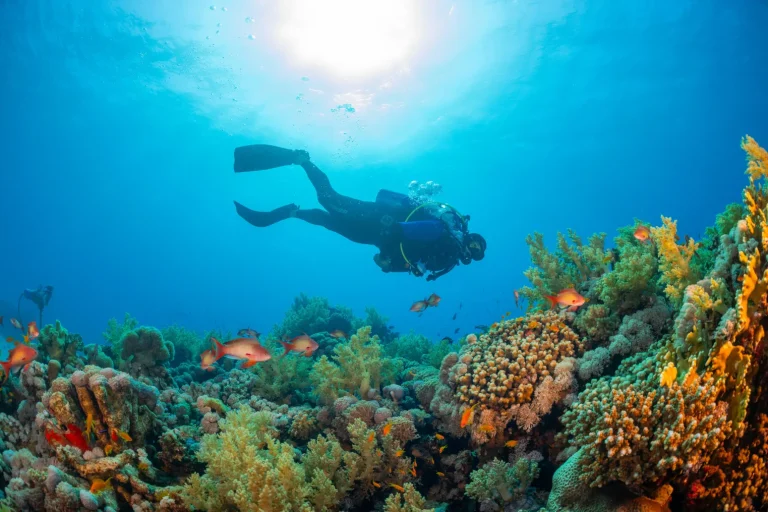
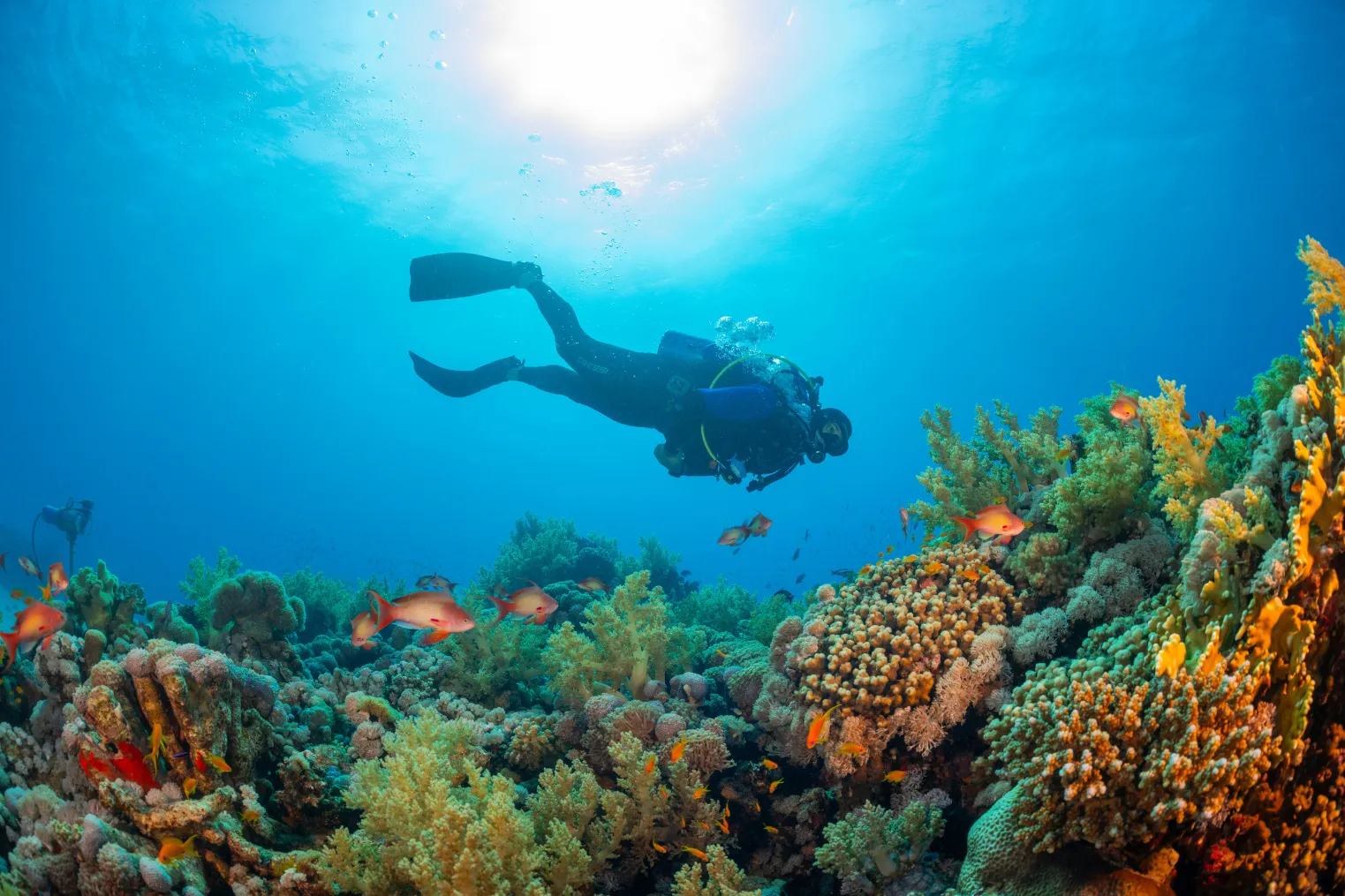
The idea sounds wild, but the setup is surprisingly simple: in Oahu, you can leave Haleʻiwa Harbor on a short boat ride and meet sharks in clear blue water even if you’re a beginner. Most first-timers join guided cage-free snorkel or freedive trips, not full scuba, with gear, safety briefings, and close support built in. You might hear the boat idle fade, slip into warm swells, and spot a sleek shadow below, which is where things get interesting.
Key Takeaways
- Yes, beginners often see sharks in Oahu on guided North Shore tours designed for first-timers.
- Most beginner shark trips are cage-free snorkeling or freediving, and usually do not require scuba certification.
- Tours typically leave Haleiwa Harbor and reach offshore shark grounds about three miles out in 15–20 minutes.
- Common sightings include Galapagos sharks, sandbar sharks, and oceanic blacktips; tiger sharks are possible but less common.
- Safety-focused crews provide briefings, gear, close in-water supervision, and emergency equipment throughout the trip.
Can Beginners See Sharks in Oahu?
Absolutely, beginners can see sharks in Oahu, and you don’t need to be a seasoned diver to do it. Guided tours off the North Shore, often leaving Haleiwa Harbor, regularly take first timers about three miles offshore where clear morning water improves your odds. You can choose cage-free snorkeling, freediving, or even shallow scuba-friendly trips, and many tours don’t require certification. That opens the door to a real Swim with Sharks experience without a giant learning curve. You might spot Galapagos sharks, sandbar sharks, or oceanic blacktips gliding below like quiet gray submarines. Sightings happen often year-round, though nothing’s promised, which keeps the whole outing suspenseful. Small groups help too, since experienced captains know where to look and when the visibility shines brightest offshore. For anyone new to ocean adventures, a beginner boat dive can also make the experience feel more structured and approachable.
Is Oahu Shark Diving Safe for Beginners?
Yes, you can feel confident trying this as a beginner because many Oahu shark tours are built for first-timers, with small groups, clear gear checks, and simple in-water lessons before you enter the blue. You’ll have licensed captains, guides, and safety swimmers watching closely, and the boat ride is usually just 15 to 20 minutes out to calmer offshore water where the rules are explained without guesswork. You don’t need scuba certification for many snorkel or freedive-style trips, but you do need to follow instructions, stay with the group, and let the pros handle the sharp-toothed locals. Choosing one of the best beginner tours in Honolulu can make the experience even safer, since these outings are designed to match first-time divers with patient instruction and easy conditions.
Beginner-Friendly Safety Protocols
Usually, Oahu shark diving feels far more structured than first-timers expect, which is exactly why it works so well for beginners. Before any cage-free shark diving session, you get a clear briefing on currents, entries, exits, and emergency steps. You only need basic swimming skills, not SCUBA certification, and sanitized snorkel gear is ready for you. Some tours also include hotel pickup in Waikiki, which makes the whole beginner experience feel even easier to manage.
| What you get | Why it helps | What you feel |
|---|---|---|
| Small groups | More space and calm | Less rushed |
| Deep calm water offshore | Predictable conditions | More confident |
That setup keeps things simple. Strict non-contact rules, education-first habits, and strong review records show how seriously operators treat safety. Even the 15 to 20 minute boat ride helps you settle in. Blue swells and clear steps make those first nerves loosen quickly.
Expert Guide Supervision
Because expert supervision shapes the whole experience, beginner shark dives off Oahu feel far more guided than wild. Licensed captains and dive masters lead you from the moment you board, and their expert guide supervision stays constant. Before you enter the water, you get a clear safety briefing and a practical walk-through. In small groups of four to six, you won’t feel lost in the shuffle. Guides watch your position, read shark body language, and redirect curious visitors if needed. Trained crews handle entries, exits, and gear checks with calm precision. That steady coaching turns deep blue water, circling silhouettes, and the boat’s engine hum into something thrilling yet organized. Honolulu’s typically manageable visibility, current, surge conditions can also help beginners feel more comfortable in the water. Thousands of glowing reviews suggest beginners notice that confidence right away too.
Still comparing Turtle Canyon?
Ask for tour ideas, hotel suggestions, or a simple trip plan that combines both.
Trip Helper
Conditions And Skill Requirements
Although the idea sounds intense, Oahu shark diving is built with beginners in mind. Most shark diving tours don’t require scuba certification, so you can join with basic swimming skills and learn freediving basics on the day. Trips leave Haleiwa Harbor and reach calm, deep water in about 15–20-minute boat rides, where visibility is often clear enough to spot Galapagos and sandbar sharks. Small groups of four to six give you more coaching, and sanitized snorkel gear is provided. Licensed captains, dive masters, handlers, and safety divers manage close encounters, which helps first-timers stay focused. For those easing into ocean adventures, beginner-friendly shipwreck dives near Honolulu can also help build confidence in local conditions. Still, conditions like currents and seasons matter, so you should always follow instructions and never free dive alone in shark zones offshore for safety and better sightings that day.
Do You Need Scuba Experience First?
You don’t need prior scuba experience for most shark tours off Oahu, and that’s a relief when your heart’s already thumping at the sight of open blue water. On many beginner-friendly trips, you’ll use simple snorkeling or freediving basics while the crew teaches you the routine and licensed safety guides keep watch offshore. If you’re worried about water confidence, many operators also explain non-swimmer expectations before you ever get in. If you want a deeper, tank-based encounter, check the tour details first, but for most North Shore shark outings, swimming skills and calm listening are enough.
No Prior Scuba Required
Here’s the good news: no scuba certification is needed for most cage-free shark tours in Oahu. These trips run as snorkeling or freediving experiences, so there’s no prior scuba certification required. You’ll learn basic breathing, finning, and water-entry skills on-site, then head out with licensed guides and safety divers nearby. Many operators also offer Discover Scuba Diving in Oahu for visitors who want to explore without certification.
- You step off the boat and hear the harbor fade behind you.
- Salt dries on your skin while guides coach you through simple moves.
- You watch blue water shift below as safety divers stay close.
- You finish in about two hours round trip, and even many kids can join.
If you want a deeper, longer shark dive on SCUBA, you’ll need formal certification for that separate experience. Tours also run year-round for easy planning.
Beginner-Friendly Tour Options
Start with the easy answer: no scuba experience is needed for many beginner-friendly shark tours in Oahu.
For Oahu Shark Diving, you can join guided cage-free swims from Haleiwa Harbor and head about three miles offshore in a small group of four to six. Tours last around two hours round trip, so the logistics stay simple. You don’t need certification. You just need to feel comfortable with a mask, fins, and snorkeling. On-site, guides teach freediving skills, then licensed captains, dive masters, and safety divers handle stuff, including shark redirecting. That lets you focus on the blue water, your breathing, and the thrill of seeing Galapagos or sandbar sharks glide past. If you’re curious about trying tanks later, first dive experiences in Oahu are designed to help beginners know what to expect. Some deeper scuba dives do require certification, but beginner North Shore options don’t.
Is Cage-Free Shark Diving Good for Beginners?
Although the idea sounds wild at first, cage-free shark diving in Oahu can be a great pick for beginners. Many cage-free shark tours only ask for basic swimming and snorkel skills, and guides teach freediving basics before you get in. For travelers comparing options, private beginner scuba experiences in Oahu can offer another beginner-friendly way to build confidence in the water before trying shark encounters.
- You leave from Haleiwa Harbor and reach offshore sites in about 15 to 20 minutes, which keeps the adventure feeling exciting, not exhausting.
- Small groups, usually 4 to 6 people, let instructors watch you closely and offer calm guidance.
- Licensed captains, shark handlers, and safety divers help manage encounters, while cleaned gear keeps things simple.
- You may spot Galapagos, sandbar, or blacktip sharks year-round, and even kids around age five can join. Early mornings often feel calmer, and seasonal sightings can make trip luckier.
What Happens on an Oahu Shark Tour?
Step onto the boat at Haleiwa Harbor, and your shark tour moves fast from dockside nerves to open-ocean focus. In about 15 to 20 minutes, you reach shark grounds off the North Shore, roughly three miles out, while the captain and crew walk you through snorkeling basics, tour rules, and what species you might see.
You get sanitized fins, a mask, and a snorkel, so scuba certification isn’t needed for diving Oahu this way. Groups stay small, which keeps the experience personal and calm. Then you slip into clear blue water for a cage-free look at Galapagos sharks, sandbars, and sometimes a tiger shark passing like rumor made real. Morning trips often bring the best visibility, and you can rent a GoPro or photos. Even for first-timers, following safety tips like listening closely to the crew and staying aware of ocean conditions helps keep the experience safe and beginner-friendly.
How Do Guides Keep You Safe?
Before you enter the shark zone, your captain and guide walk you through the rules, check your gear, and make sure you know exactly what to do once you’re in the water. While you watch the blue water shift below, safety divers stay close and read each shark’s movements, using calm body language and simple tools to keep everyone at a safe distance. You’re never one face in a crowd either, because small groups mean your guides can watch you closely, correct mistakes fast, and keep the whole experience smooth instead of splashy. On many beginner scuba dive tours in Honolulu, that careful instruction starts before you even enter the water so you know what to expect from the experience.
Pre-Dive Safety Briefing
Once you’re on board, the guides don’t just hand you fins and hope for the best. They prioritize safety with a clear briefing that tells you exactly what to expect before you hit the water. The tone is calm, practical, and reassuring.
- You learn site hazards, hand signals, buddy assignments, and the exact entry and exit route.
- You hear how sharks move and what their body language means, so you avoid sudden motions and keep calm eye contact.
- You check sanitized masks, fins, and optional GoPros, then confirm you’re comfortable with snorkel, freedive, or scuba basics.
- You get emergency plans too: boat recall signals, surface-marker buoys, medical contact steps, age limits, small groups, and one firm rule. No solo freediving in shark zones, ever.
- Guides also review buddy safety and current water conditions before entry, since strong currents, poor visibility, and rough surf can make the experience unsafe.
In-Water Shark Monitoring
That calm briefing matters even more when you slip into the blue, because the guides stay in the water with you and watch everything. This is in-water shark monitoring in action. Licensed guides and safety divers keep constant visual contact with you, your gear, and the sharks circling through clear deep water about three miles offshore. If one gets extra curious, they use practiced redirection techniques to turn it away without baiting or provoking it. You follow simple rules like steady breathing, no touching, and no sudden splashing, and they enforce them the whole time. The boat waits nearby as a safe perimeter, engine ready for quick pickup if needed. Thanks to decades in Hawaiian waters, your guides read shark behavior fast, before you notice a thing. Similar to turtle etiquette in Oahu, keeping calm movements and giving marine life space helps guides maintain a safer, more respectful encounter.
Small Group Supervision
Usually, the biggest safety tool on a shark plunge in Oahu is simple: your group stays small, often just four to six guests, so the guides can keep you in sight at all times.
- You get a full briefing, gear check, and calm breathing tips before anyone slips into the blue.
- Licensed captains and dive masters set the boat near shark zones about three miles offshore and place safety divers nearby.
- In the water, small group supervision means constant visual contact, clear entry and exit steps, and quick redirects if a shark cruises too close.
- On cage-free trips, experienced handlers read body language, enforce no-touch rules, and keep the encounter respectful, safe, and surprisingly peaceful.
That focus lets you watch fins instead of worrying. In Hawaii, many beginner scuba experiences are available without certification requirements, which makes thorough guide supervision even more important.
What Gear Is Used on Shark Tours?
Picture the setup and you’ll notice how simple it is: most cage-free shark tours on Oahu use snorkel or freediving gear, not full SCUBA tanks. For you, diving with sharks usually means a mask, snorkel, and fins, all cleaned and sanitized before you hop in. Guides add wetsuits, weight belts, radios, whistles, and sometimes dive knives. In Hawaii, beginner divers often wear a 3mm wetsuit for warm-water comfort and light protection. On board, captains keep oxygen, an AED, first-aid kits, and flotation ready. Want photos? You can often rent a GoPro.
| Gear | Who uses it | Why it matters |
|---|---|---|
| Mask, snorkel, fins | You | Easy surface viewing |
| Wetsuit, weights | Guides | Control and comfort |
| Oxygen, AED, first aid | Crew | Fast emergency response |
Film crews may bring custom camera rigs, while rebreathers stay rare, pricey tools for especially quiet underwater photography on occasion.
Where Do Oahu Shark Tours Go?
You’ll usually leave from Haleiwa Harbor on the North Shore, then ride about 15 to 20 minutes out to deep blue water a few miles offshore. That’s where you get clearer visibility, fewer boats, and a better shot at seeing Galapagos sharks, sandbar sharks, and the occasional tiger shark cruise past. If you head out early, you’ll often find calmer seas, brighter water, and a boat ride that feels more like a shortcut to the wild than a long haul. While heading out on Oahu dives, it’s also common to spot sea turtles in the water, adding even more excitement for beginners.
North Shore Departure Points
Boats for Oahu’s shark tours almost always push off from Haleiwa Harbor on the North Shore, where the run to the action is short and practical. From here, you skip the busier Waikiki side and head out with quick access, calmer water, and those prized early morning conditions. Oahu is also known for beginner scuba spots, which makes the island appealing for first-time ocean adventures beyond shark tours.
- You usually leave from Haleiwa, with free parking that keeps the start easy.
- The boat ride is often just 15 to 20 minutes, so you’re not stuck cruising forever.
- Many charters keep groups small, around four to six people, which feels personal.
- Most round trips take about two hours, so the North Shore adventure fits neatly into your day.
You’ll hear lines clink, engines hum, and harbor birds complain while the dock wakes up around you.
Offshore Shark Viewing Sites
Blue water is the whole point here, because Oahu’s shark tours don’t linger near the beach or circle reef shallows. You head out from Haleiwa Harbor and ride about three miles offshore, usually just 15 to 20 minutes, to deeper North Shore water that stays calmer and clearer than busy Waikiki or Honolulu. This offshore setting is very different from Waikiki’s beginner dive spots, where new divers typically stay close to reef structure and spend more time spotting marine life than seeking pelagic sharks.
Out there, you’re in true shark country. Galapagos sharks show up year round, sandbar sharks cruise deeper lanes, and tiger sharks make occasional surprise cameos, roughly once every two months. The visibility is often excellent, so you may also spot dolphins, sea turtles, and flying fish skimming like tossed silver arrows. Tours avoid nearshore reefs and use licensed guides plus safety divers to manage encounters and gently redirect overly curious visitors.
How Far Offshore Are the Sharks?
How far out do you go to meet the sharks? On Oahu, most cage-free tours leave Haleiwa Harbor and run about 3 miles offshore. That’s usually a 15 to 20 minute boat ride. You move beyond busy beach water into deeper, calmer blue where visibility improves and the island feels far behind you. Some sightings happen farther out in late summer and fall, but beginner trips usually stay near those standard offshore zones for safety. In these same offshore waters, divers may also spot spotted eagle rays gliding through the blue.
Most Oahu cage-free shark tours head about 3 miles offshore, where deeper blue water feels calmer, clearer, and far from shore.
- The harbor fades, and the North Shore opens wide.
- The ride is short, but you feel the swell and salt spray.
- Offshore water looks darker, clearer, and quieter than Waikiki.
- You only enter with guides, since currents, boats, and distance from shore make solo free diving a bad idea.
What Sharks Can Beginners See in Oahu?
Usually, the first sharks beginners see in Oahu are the calm, reef-loving kinds that fit the dive site. On shallow reefs, you’ll most likely spot Whitetip reef sharks tucked under ledges or resting in small caves like sleepy locals avoiding the noon sun. Around the same reefs, divers also sometimes notice octopus and eels hiding in crevices, adding to the variety of marine life beginners can encounter.
If you head to deeper offshore spots, you may see sandbar sharks cruising below you with steady, unhurried motion. On North Shore wall dives, Galapagos sharks show up often too. They’re curious, but they’re usually not aggressive toward divers. In open water, you might catch oceanic blacktips shadowing schools of fish, especially near tuna or mahi-mahi activity. What you see changes with visibility, season, depth, and coast. Tiger sharks are possible, but they’re rare on beginner reef dives around Oahu for most new divers.
What Else Might You See Besides Sharks?
Often, the surprise of an Oahu dive isn’t just the sharks but everything moving around them. You might spot green sea turtles cruising reef ledges, then catch dolphins offshore before your tank pressure even becomes a thought.
On an Oahu dive, sharks may draw you in, but turtles and dolphins often end up stealing the scene.
- Honu glide near the surface or at 20 to 40 feet around Turtle Canyons and reef edges.
- Spinner and bottlenose dolphins sometimes pace the boat, and spinners may leap like they’re showing off.
- Over deeper walls, tuna, mahi-mahi, and ono flash past bait schools in quick silver bursts.
- In season, humpback whales blow at the surface, while manta rays, moray eels, octopus, surgeonfish, corals, and anemones fill shallower North Shore scenes, and you realize the background cast can steal the whole show without trying very hard sometimes.
Can Kids and Families Join Shark Tours?
Surprisingly, yes, many cage-free shark tours in Oahu welcome kids as young as 5, so this can be a real family adventure instead of a parents-only thrill. If you’re wondering, can kids and families join shark tours, the answer is usually yes. You don’t need scuba certification, because crews teach simple snorkel and freedive basics step by step. Small groups, usually four to six guests, help patient instructors keep a close eye on beginners. Licensed captains, dive masters, and in-water safety divers add another layer of protection by managing the scene and redirecting sharks. You also get practical perks: free dock parking, cleaned and sanitized snorkel gear, and optional photo packages. That means less hassle, more wide-eyed grins, and maybe one heroic family Christmas card.
When Is Oahu Shark Diving Best?
In the early morning, Oahu shark diving tends to be at its best. You’ll usually leave Haleiwa Harbor and reach deep blue water in 15 to 20 minutes, with calmer seas, lighter currents, and clearer views below.
- Summer, from late April to early October, often gives you the smoothest rides and best visibility for shark diving.
- Year-round North Shore trips regularly spot Galapagos sharks cruising offshore.
- If you visit from July through November, you’ve got a stronger shot at seeing tiger sharks.
- Winter can bring more sandbar sharks, but heavy surf can turn some sites rough, loud, and less inviting.
Go early, and the ocean often feels glassier, quieter, and full of sharp silver flashes. Boat engines hum softly while pelagic life gathers beyond shore nearby.
What Should Beginners Check Before Booking?
Before you lock anything in, check who’s running the trip and how they handle first-timers in open water. Confirm credentials like licensed captains, seasoned dive masters, or marine biologists, plus real experience with guided shark tours. Ask about minimum age, swimming requirements, and group size. Small groups of four to six usually feel safer and calmer.
Review the safety briefing too. You’ll want trained safety divers, gear checks, freediving basics, and a clear rule against solo dives in shark zones. Verify the launch point near Haleiwa Harbor, the 15-20-minute boat ride, and morning conditions, which are often clearest. Read reviews and look for strong ratings, photography options, and operators like Ocean Outfitters or Deep Blue Eco Tours for Shark diving you’ll remember forever fondly.
Frequently Asked Questions
Can Pregnant Guests Participate in Oahu Shark Diving Tours?
No, you shouldn’t participate in Oahu shark diving tours while pregnant, because pregnancy is a Pregnancy contraindication. You should ask your healthcare provider, disclose your pregnancy, and choose options like boat-based or shore-based shark viewing instead.
Are Underwater Photos or Videos Included With Shark Tours?
Yes, because apparently sharks now moonlight as paparazzi, you’ll get Photo Packages or GoPro rentals on tours. You can sometimes score free clips, but you should confirm what’s included when you book, since operators vary.
What Should I Do if I Get Seasick Easily?
Choose an early-morning tour and use Preventive Remedies like meclizine or a scopolamine patch before boarding. Eat lightly, hydrate, face forward, watch the horizon, and tell the crew you’re prone to seasickness for extra help.
Can I Wear Contact Lenses During a Shark Dive?
Yes, Contact lenses? Why not? You can wear soft contacts during a shark dive; they usually stay put. Avoid hard lenses, bring spares and saline, use a mask, and tell your guides if you’ve got concerns.
What Is the Cancellation Policy for Bad Weather?
You’ll usually get Weather Refunds or a free rebooking if bad weather cancels your tour. Check your operator’s terms for cutoff times, notice requirements, and rescheduling fees, because holiday dates can fill up fast afterward.
Conclusion
Yes, you can see sharks in Oahu as a beginner, and you don’t need to arrive like Jacques Cousteau with a time machine. You’ll ride out from Haleʻiwa, hear the boat hum, pull on clean gear, and slip into clear blue water with guides close by. You may spot Galapagos sharks, turtles, and flying fish in the same trip. Check age rules, weather, and comfort level first. Then trust your curiosity and go look.