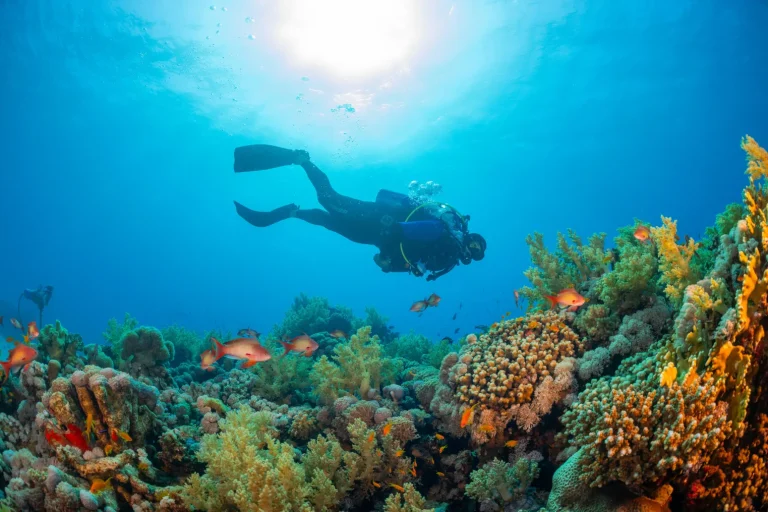
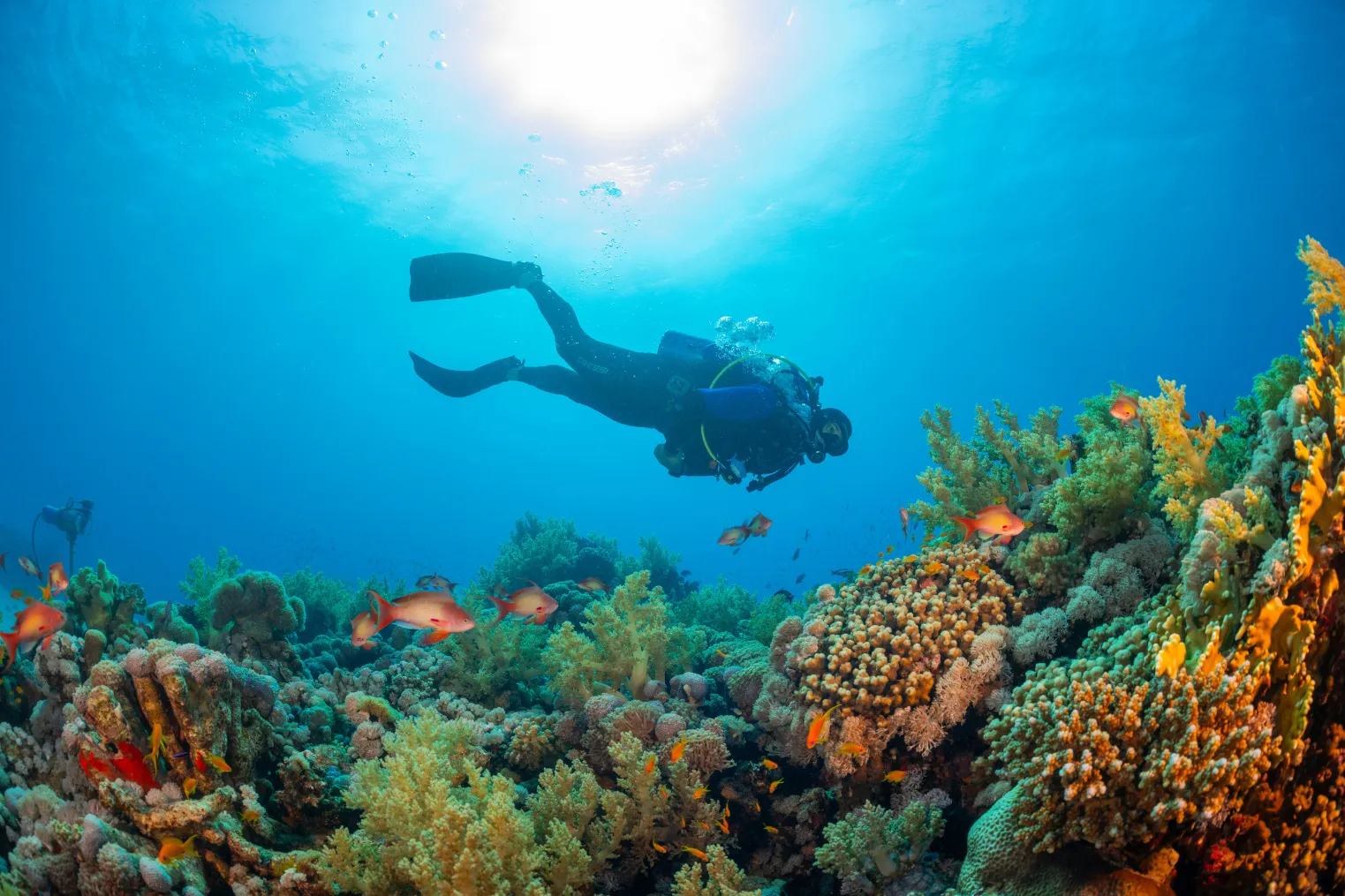
A rusted hull rises out of Oahu’s blue water like a half-told story, with bubbles ticking past your mask and reef fish flashing through the beams. You might wonder if a beginner should be here at all. The short answer is yes, if you start with the right wreck, calm conditions, and a guide who keeps things tight. The real question isn’t just safety. It’s which choices make your first descent feel thrilling instead of sketchy.
Key Takeaways
- Wreck diving in Oahu can be safe for beginners when dives stay shallow, simple, and guided by an experienced crew.
- Start with protected wrecks under 60 feet, like Sea Tiger or San Pedro, only when current, surge, and surf are mild.
- Beginners should have Open Water certification, while uncertified divers can try instructor-led Discover Scuba wreck routes without penetration.
- First wreck dives should be guided no-penetration dives with clear briefings on hazards, depth limits, bottom time, and emergency actions.
- Safety depends on checking conditions, maintaining neutral buoyancy, securing gear, and following no-touch conservation rules around wrecks and marine life.
Is Oahu Wreck Diving Safe for Beginners?
Yes, Oahu wreck diving can be safe for beginners if you keep the first dive simple and go with a guided crew.
Choose shallow, calmer wreck sites like the Sea Tiger or San Pedro when conditions cooperate. You should check Surfline before booking because current, surge, and surf can change fast. A private beginner scuba dive can also give new divers more one-on-one attention and a slower pace before trying a wreck. A solid operator follows PADI and DAN safety steps, from buddy checks to emergency plans.
You also make the dive safer when you test your gear, practice buoyancy, and keep your hands off the wreck and reef. Stay outside enclosed spaces. Your Open Water limits are there for a reason. With a guide, good timing, and calm seas, you’ll hear bubbles crackle past steel and see history resting in clear, blue water nearby.
What Training Do You Need First?
You’ll want a basic certification like PADI Open Water Diver before you head for a wreck, because it gives you the core skills that keep the whole experience calm and controlled. If you’re not certified yet, you can start with a Discover Scuba Diving session and try a shallow, instructor-led wreck or artificial reef, where the metal shapes loom out of the blue and everything feels new in the best way. After that, you can build the right path with a wreck specialty and more supervised practice, so you’re not just excited, you’re ready. It also helps to understand Oahu diving cost factors early, since training type, dive location, and guide support can all shape the price of your first wreck experience.
Required Certification Path
Before you fin through Oahu’s famous wrecks, start with a PADI Open Water Diver certification or an equivalent course, because it gives you the core skills that matter most underwater: buoyancy control, basic navigation, and calm emergency response. PADI says Open Water Diver certification is typically completed in 3–5 days, with a minimum age of 10 in most areas. Next, build depth and navigation confidence with Advanced Open Water, since Oahu favorites like the Sea Tiger and San Pedro often sit deeper than your first training dives. If you want to enter a wreck, add a Wreck Diver specialty. That course teaches reel work, tighter finning, light use, silt control, and smart risk checks in dark steel passages. Choose instruction that follows PADI and DAN safety standards, practice gear checks, and log supervised wreck dives first. Experience stacks up fast underwater, but shortcuts don’t there.
Intro Dive Options
Start out with a guided intro if you’re wreck-curious but not certified yet. A Discover Scuba experience lets you try SCUBA DIVING with an instructor at your side, usually on a shallow wreck route around 40 to 60 feet. You won’t go inside the wreck, and that’s the point. You get the thrill of ribs, darting fish, and blue water without risk.
Before you book, make sure you’re ready to clear your mask, recover your regulator, equalize, control buoyancy, and ascend safely. Those skills come in Open Water training, which includes at least four open-water dives. You can also use online booking to confirm Open Water course availability before choosing a local dive shop. In Oahu, uncertified divers are paired with an instructor, while independent wreck dives require certification. Want deeper or inside access later? Add Advanced Open Water and Wreck Diver.
Still comparing Wreck Diving For Beginners In Oahu: Is It Safe?
Ask for tour ideas, hotel suggestions, or a simple trip plan that combines both.
Trip Helper
Which Oahu Wrecks Are Best for Beginners?
Often, the best beginner wreck dive on Oahu is the San Pedro off Keehi Lagoon, where the main sections sit in roughly 60 to 120 feet of water and conditions are often calmer than at more exposed sites.
If you’re newly certified, the San Pedro wreck gives you a real wreck look without pushing limits. A good dive shop can pair you with a guide and keep the route simple. You can also ask about shallow artificial reefs and protected harbor wrecks under 60 feet, which fit Open Water training. Honolulu also has other beginner-friendly wreck dives that can help new divers build confidence in calmer conditions. Sea Tiger may tempt you, but it’s usually for advanced divers. For your first taste, choose guided no-penetration dives with clear buddy rules. You’ll still get the thrill of steel, coral growth, and fish flashing through openings.
Which Oahu Conditions Make Wreck Dives Risky?
Conditions can change fast around Oahu wrecks, and that’s what turns a fun descent into a stressful one. You’ll notice strong currents and surge first. At sites like Sea Tiger or San Pedro, water can shove you off the wreck or into debris before you’ve settled your breathing. Shallow wrecks add wave action and shore entries, especially near Pupukea, where surf can bang tanks, scramble fins, and spark an uncontrolled ascent.
Visibility can drop fast after storms or during surge. Sand clouds the water, buddy contact gets tricky, and navigation feels like following a ghost. Bring a light and a reel or SMB. Deep profiles, penetration routes, corroded structures, wires, nets, and metal all raise the stakes without advanced training and the right gear. For beginners, visibility, current, surge are the main conditions to evaluate before attempting any Oahu wreck dive.
How Do Guides Make Wreck Diving Safer?
Good guiding turns a wreck dive from a nervous drop into a calm, well-paced adventure. Your Dive guide starts with a clear briefing on entanglement hazards, surge, currents, depth limits, bottom time, and what happens if something goes sideways. They pick a wreck that fits your certification and comfort level, often shallow and no-penetration for beginners. If conditions shift, they adjust the plan fast. Underwater, they model steady buoyancy and smart positioning so you don’t bump metal, stir silt, or scrape coral. Safety gear is their top priority, so they carry marker buoys, spare air, and dive computers, and they follow PADI and DAN procedures. They also watch tides, group spacing, and exits, which means help is close underwater and on the surface nearby. For first-timers, beginner boat diving in Honolulu is typically introduced at a calm, easy pace, which helps new wreck divers feel more comfortable and in control.
How Can Beginners Protect Reefs and Marine Life?
You protect Oahu’s reefs best when you master buoyancy, practice hover drills, and use small breath shifts so your fins don’t scrape coral or kick up clouds of silt. You’ll also want to stay about an arm’s length from reef ledges and sea life, because a little space keeps animals calm and fragile surfaces intact. Before you enter the water, secure every hose and camera, follow local no-touch rules, and listen to your guide so the only thing you leave behind is a trail of bubbles. In Hawaii, reef etiquette also means never touching coral or standing on the reef, even for a moment.
Master Buoyancy Control
Often, the best way to protect Oahu’s reefs and wrecks starts with one quiet skill: buoyancy control. Practice neutral buoyancy in a pool or shallow reef until you can hover hands-free for 60 seconds while breathing normally. This kind of neutral buoyancy helps beginners avoid bouncing off the reef and stay calm around delicate marine life. Then check your weighting at the surface with a full BCD and empty lungs so you descend slowly and stay horizontal without kicking coral. Use small fin strokes to limit surge and keep sediment from clouding the view. Keep your hands off the wreck and reef. Use a delayed SMB or reef-safe reference line for orientation. On every dive, practice ascents, descents, and safety stops until you can hold 3–5 minutes at 3–5 meters with barely a wobble. Nice work, captain of calm bubbles and clean water.
Respect Marine Wildlife
Respect starts with space. You protect reefs and marine life by staying neutrally buoyant and hovering with tiny breath changes, so your fins and tank don’t tap coral. At Sharks Cove on the North Shore of Oahu, keep at least three feet from reef ledges, turtles, and curious fish. In Hawaii, sea turtle etiquette means giving turtles plenty of space and never crowding or blocking their path. Don’t chase, touch, feed, or try to hitch a ride on anything with fins. Secure gauges, cameras, and hoses before you descend, because dangling gear can scrape coral or snag on wrecks. Leave every shell, artifact, and coral piece where it is, especially in protected areas like Pupukea Marine Conservation District. Listen to the dive briefing, follow local eco-guidelines, and dive with a guide who enforces no-contact rules. The reef notices your manners down there.
Frequently Asked Questions
How Much Does a Beginner Wreck Dive in Oahu Typically Cost?
You’ll typically pay $100–$180 for a beginner wreck plunge in Oahu, depending on certification, gear, and extras. Intro trips cost less, while budget options save money and private charters can raise your total a bit.
Can Beginners Rent Wreck-Diving Gear on Oahu?
Yes, you can rent beginner-appropriate wreck gear on Oahu, though the theory that all specialized kits are available doesn’t hold; rental availability varies, and you’ll need proper certification checks, equipment fitting, and site-specific guidance first.
What Should I Do if I Get Seasick Before the Dive?
Tell your dive guide immediately and don’t dive until you’re stable. Use motion sickness remedies like ginger or Sea-Bands, take preventive measures, fresh air, horizon focus, mid-boat seating, hydration, and reschedule if symptoms persist or worsen today.
Are There Age Restrictions for Beginner Wreck Dives in Oahu?
Yes, you’ll find age restrictions, like a gatekeeper at a reef’s hidden door. Most Oahu operators set a minimum age around 10–12 for beginner wreck dives, and if you’re a minor, you’ll need parental consent too.
What Marine Animals Might Beginners Encounter Around Oahu Wrecks?
You’ll likely spot yellow tang, convict tang, sea turtles, schooling jacks, octopus, cleaner shrimp, nudibranchs, and moray eels around Oahu wrecks. You might glimpse reef sharks, though they usually cruise by briefly and ignore you.
Conclusion
So, is wreck diving in Oahu safe for beginners? It can be, if you start small and dive smart. Choose a shallow wreck, calm water, and a guide who treats the safety briefing like it could save the universe. Keep your buoyancy steady. Watch the current, the surge, and your gauges. Leave the rusted rails and curious sea life untouched. Do that, and you’ll trade nerves for wonder as bubbles hiss upward through blue Hawaiian light.