In Honolulu, the same reef can feel like two different worlds depending on when you drop in. If you go in the morning, you’ll usually get calmer water, a gentler boat ride, and clear blue views that make skill practice less stressful. If you wait for the afternoon, stronger sun can light up coral arches and tropical fish like stained glass. The better choice depends on what kind of first dive you want.
Key Takeaways
- Morning beginner dives in Honolulu usually have calmer seas, steadier visibility, and less boat traffic, making them easier for first-time skill practice.
- Afternoon dives offer stronger sunlight, brighter reef colors, and better photo opportunities, especially around arches, tunnels, and colorful reef fish.
- Visibility often ranges from 60 to 100 feet, but afternoon showers, wind chop, and boat wakes can reduce clarity.
- Warm water year-round, about 76–83°F, keeps either option comfortable; afternoons often feel slightly warmer and suit lighter wetsuits.
- Choose morning for smoother conditions and less motion sickness, or afternoon for easier scheduling, hotel pickups, and avoiding an early start.
Morning or Afternoon Beginner Dives in Honolulu?
Often, the best choice comes down to the kind of start you want to your day. In the morning, Honolulu’s warm water feels fresh and invigorating, and you might spot fish, eels, and green turtles at sites like Kahala Barge and Fantasy Reef. In the afternoon, strong light pours through the water and makes nearby sites glow, especially around Sharks Cove. Visibility usually runs from 60 to 100 feet, though a passing shower can soften it later. You’ll still have an experienced instructor guiding your beginner dive, and wetsuit rentals are available either way. Boat charters can also whisk you to a few easy-access reefs, with salt on your lips and grin afterward. According to ideal time of day guidance for beginner scuba in Oahu, morning dives are often considered the best option for calmer conditions and an easier introduction. Pick the vibe that fits your schedule, energy, and curiosity today.
The Short Answer for Most Beginners
If you’re new to Honolulu’s underwater world, you’ll usually have an easier start in the morning when the water feels calm and the pace stays steady. In the afternoon, you get stronger sunlight cutting through the blue, which makes fish, reefs, and lava arches pop for your eyes and the camera. So your best pick comes down to comfort: choose morning for a smoother first try, or go later if brighter views sound worth a busier boat. For first-timers, paying attention to visibility, current, surge can help you choose the time of day that feels most manageable.
Morning Is Usually Easier
Usually, the easiest way to start scuba in Honolulu is to book a morning dive. You’ll usually get calmer seas, steadier boat rides, and stronger visibility, which makes every beginner skill feel easier. On Oahu sites like Kahala Barge and Fantasy Reef, the water feels fresh and warm, and you’ve got a solid chance of spotting fish, eels, and green turtles. Cooler early hours also cut motion sickness and make entries and ladder exits simpler. This is why many first-timers choose beginner boat diving in Honolulu, since the overall experience tends to feel more manageable and less intimidating.
- Better conditions help you focus on breathing, buoyancy, and enjoying your first underwater minutes.
- Short Discover Scuba schedules keep fatigue low and let your instructor give you more attention.
- A quiet morning ocean feels less chaotic, so your confidence can rise before your fins do on day one comfortably.
Afternoon Brings Stronger Light
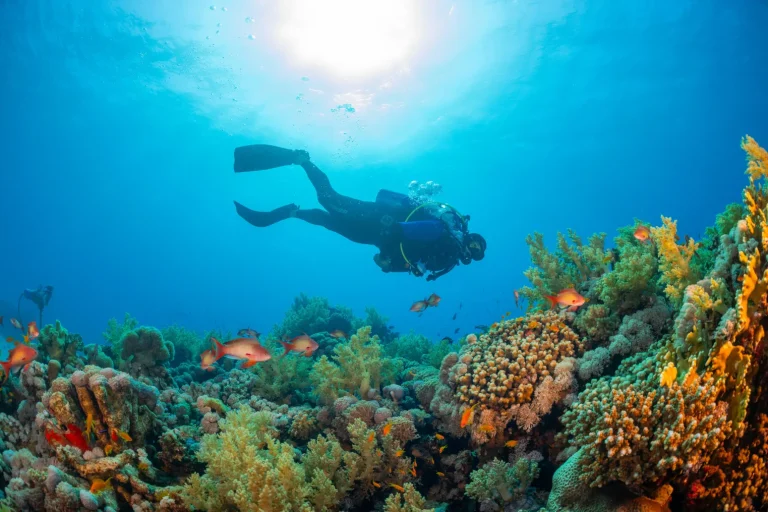
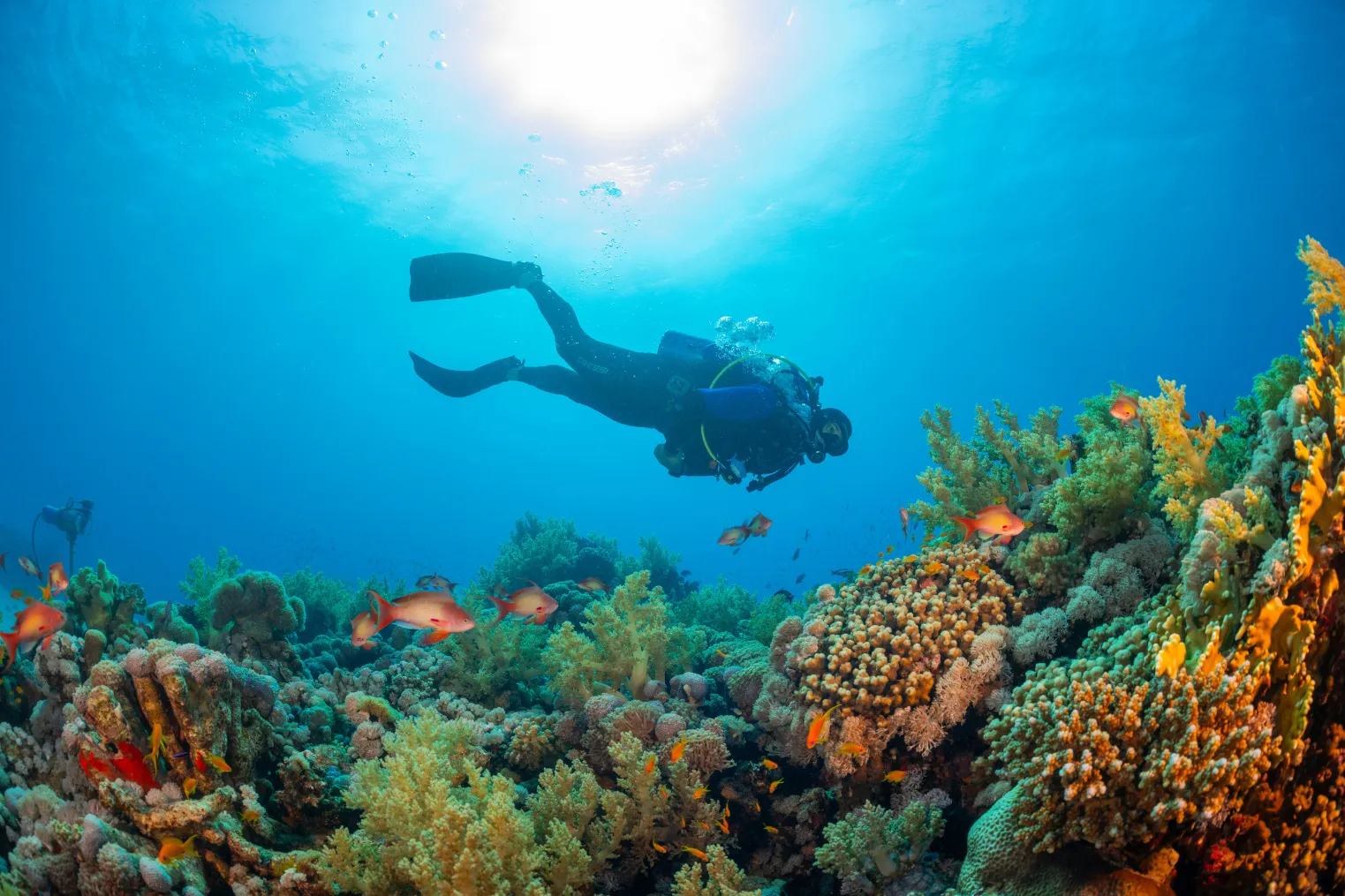
By midday, Honolulu’s reefs can look brighter and easier to read, which is why many beginners enjoy an afternoon dive. You get stronger light pushing deeper through the water, so colors pop and visibility often stretches toward the top of the usual 60 to 100 feet. That makes fish, turtles, and reef edges easier for a beginner to spot. At Sharks Cove, lava tubes, arches, and tunnels stand out more clearly, so you can orient yourself without feeling turned around. On two-tank charters, that same brighter light creates crisp shadows and rich contrast for underwater photography, and some trips even bring a photographer along. Just remember that afternoon showers can roll through and dull conditions, so operators may switch sites to keep view clear. In Oahu, underwater visibility often varies by season, so afternoon brightness helps most when overall conditions are already on the clearer end.
Still comparing Morning Vs Afternoon Beginner Scuba Dives In Honolulu?
Ask for tour ideas, hotel suggestions, or a simple trip plan that combines both.
Trip Helper
Pick Based On Comfort
Bright light can make an afternoon reef look inviting, but most beginners end up choosing the time that feels best in their body and schedule. If you’re a Discover Scuba beginner, comfort usually points the way. Choose morning when you want cooler air, calmer rides, and clear waters that can make Kahala Barge or Fantasy Reef feel easy to read. Choose afternoon if brighter light and a two‑tank plan sound more relaxed. Most beginner scuba tours in Honolulu also fit comfortably into a half-day outing, which can make either option easier to plan around the rest of your trip.
- Pick morning if motion sickness worries you or you like fresher starts.
- Pick afternoon if you’re a beginner first time Discover diver who wants more guided time and photos.
- Pick either time if warm water matters most. Honolulu stays welcoming year‑round.
Your best dive isn’t about proving anything. It’s about feeling steady enough to notice turtles, arches, and your own grin underwater.
Why Morning Dives Usually Feel Easier
Often, morning dives in Honolulu feel easier because the ocean starts the day on its best behavior. You step into calmer water before winds build, and stable temperatures around 76–83°F keep your first breaths comfortable. Better visibility, often 60–100 feet, lets you relax and track your instructor without squinting through surge. At beginner favorites like Kahala Barge and Fantasy Reef, lighter currents make skills practice smoother. Marine life also feels close at this hour. You might watch a green turtle cruise by or spot an eel peeking out. Morning boat charters usually meet less traffic too, so entries, exits, and briefings feel simpler. With less glare and wake, communication stays clear, and your nerves don’t get the last word today on the ride out. This lines up with a broader seasonal guide to Oahu diving, since conditions often vary by time of year as well as time of day.
When Afternoon Dives Are the Better Fit
If you want brighter views and less rushed logistics, afternoon two-tank trips can suit you surprisingly well. You’ll often get clearer sightlines as the sun pushes light deeper across reefs, lava tubes, and arches, and experienced PADI-certified guides keep the pace steady while you explore more than one site. That extra natural light can also help beginners capture better underwater footage in low-light video conditions around Hawaii reefs. You also skip the early alarm, step onto the boat in warmer air, and maybe even wonder why beginners ever think later is the harder choice.
Striking Underwater Light
Sunlight turns the reef into a stage on afternoon dives in Honolulu, and that’s when many beginner trips feel the most visually dramatic. You get stronger light penetration, better visibility, and vivid colors that make corals, turtles, and eels pop. At Sharks Cove, shafts of light slice through arches and lava tubes, revealing texture on the Black Wall and open-ended caverns. Even brief showers can mute surface glare while keeping the underwater scene clear. Beginner-friendly Waikiki sites are also ideal for spotting marine life like corals, turtles, and eels without needing advanced dive experience.
- You spot critters faster when warm light sharpens contrast.
- You enjoy richer photo opportunities without needing expert skills.
- You remember the dive because the reef feels bigger, brighter, and a little theatrical in September through November shoulder season on your second tank too if luck and sunlight line up nicely.
Guided Two-Tank Convenience
By mid-day, a guided two-tank trip can feel like the smartest way to ease into Honolulu diving. In the afternoon, you get two solid dives and more variety, often at sites like Sharks Cove, where lava tubes and arches make the reef feel playful and new. For beginners, guided groups with close supervision improve safety and make each descent and surface interval smoother. Many trips are boat-based, so you skip tricky shore-entry currents and use easy ladders, gear storage, and onboard bathrooms instead. Better light often means stronger visibility too, so you can spot fish, eels, and green turtles without squinting through blue water. You can spend the morning relaxing, then dive later and still remember the 18-hour wait before flying that same day. Some hotel pickup options in Waikiki also make afternoon beginner scuba trips more convenient from start to finish.
How Sea Conditions Change Through the Day
While Honolulu’s water stays comfortably warm all day, the sea itself changes more than many beginners expect. Because it’s warm year-round, you won’t feel a huge thermal shift between morning and afternoon. What you will notice is motion. Early departures usually bring calmer seas, clear waters, and less boat traffic, so entries feel smoother and the ride feels quieter. Later trips can look brighter, yet afternoon winds may add chop at the surface. Arriving early for your scuba dive helps ensure you’re checked in and ready before departure. You might also find more crowds, more engine noise, and fewer resting green turtles nearby.
In Honolulu, warmth barely shifts; what changes is the sea, calmer, quieter mornings and choppier, busier afternoons.
- Morning often feels gentler when you’re learning basic buoyancy and breathing.
- Afternoon can feel busier, with stronger contrast and changing visibility topside.
- Your wetsuit choice stays mostly about comfort, not the clock, on deck, for beginners.
Morning vs Afternoon Visibility Underwater
Often, morning dives give you the steadiest underwater view, which is a big comfort when you’re still getting used to masks, fins, and that first slow breath below the surface. Around Honolulu, morning visibility usually feels more reliable because calmer seas and less traffic leave clear waters looking tidy and open. For beginner scuba diving, the afternoon can still be lovely. Stronger light penetration can make reefs glow and lava tubes pop when conditions stay stable. That is why many travelers consider best time to book beginner scuba in Honolulu to be morning slots.
| Time | What you notice |
|---|---|
| morning | steady views |
| Oahu reefs | often 60 to 100 ft |
| afternoon | brighter scenes |
| Sharks Cove | arches look clearer |
You get consistency earlier, while later dives can reward you with color and contrast if clouds and boat wakes behave. That’s the tradeoff worth noting underwater today.
Water Temperature and Comfort by Dive Time
You’ll notice that Oahu’s water feels fresh and energizing in the morning, with year-round temperatures usually hovering from about 76°F in winter to 83°F in summer. By afternoon, the sun often warms the surface a bit more, so you may feel happier in a lighter 3 mm wetsuit, though a quick shower can make surface breaks feel surprisingly brisk. If you’re new to this, your instructor will usually help you choose between a 3 mm or 5 mm suit so you stay comfortable from splash-in to ladder climb. For most beginner dives, wearing a 3 mm wetsuit with a swimsuit underneath is a comfortable and practical choice in Hawaii’s warm water.
Morning Water Warmth
Even on an early start, Honolulu’s water feels more fresh than cold, with year-round temperatures hovering around 76°F in winter and climbing to about 83°F in summer. In the morning, you’ll likely notice steady water temperature around Oahu, which makes planning simple. For most beginners, a 3 mm or 5 mm wetsuit gives reliable comfort, though some skip one in warmer months. Bringing essential gear like a well-fitting mask and fins can also make that steady morning comfort feel even easier for beginners. Clear visibility can also shape how warmth feels. When the reef appears bright and close, you relax faster and breathe easier. That easy entry takes the edge off first-dive nerves and keeps your attention underwater.
- You enter feeling awake, not shocked.
- Your wetsuit choice depends on personal cold tolerance.
- Consistent warmth lets you focus on fish, coral, and skills.
Afternoon Comfort Factors
By afternoon, the ocean usually feels a notch friendlier on your skin. In Honolulu, summer surface temps often reach 82 to 83°F, instead of the brisker 76 to 78°F you might meet early. That extra warm layer boosts comfort right away. You’ll often find wet suit rentals steer beginners toward a 3 mm shorty or a light full suit, not a thicker steamer.
Better light penetration helps too. Brighter water can feel less chilly, especially when you surface and look around. Higher air temps also make boat decks and surface intervals easier on bare feet and damp shoulders. If a quick afternoon shower rolls through, you may want a towel fast, since wet suits can turn clingy and cool. Still, the vibe stays comfortable. Even so, keep an eye on the hazy conditions and any marine forecast updates, since changing winds and building seas can affect overall comfort on the water.
How Underwater Light Changes the Experience
As the sun shifts over Oahu, the whole dive changes with it. In the morning, beginner scuba diving often feels crisp and easy to read. Calmer seas usually give you steadier visibility, so reefs look clean and textured. By afternoon, stronger light penetration pours through arches and tubes, making colors pop in a more dramatic way. You may notice warmer tones on rock and sand, plus shifting reef activity as sunlight angles change. Around Oahu, visibility often reaches 60 to 100 feet, though afternoon showers can blur the view. For many first-timers, beginner scuba diving in Honolulu feels especially approachable when conditions are calm and easy to follow.
- Morning light feels fresh, with dependable clarity for first-time nerves.
- Afternoon light flatters photos and highlights lava textures.
- Both times stay daylight bright, so you won’t need superhero eyes underwater today to spot every detail.
What Marine Life You’ll See by Time
If you head out in the morning, you’ll often catch green turtles, eels, and schools of reef fish already on the move in clear, calm water around spots like Kahala Barge and Fantasy Reef. By afternoon, you can spot turtles cruising past brighter reef colors, while the stronger light helps you pick out angelfish, nudibranchs, and lava arches with less squinting and more pointing. After noon, fish activity shifts again, so you’ll notice a busier reef, quick flashes near crevices, and the sense that the whole underwater neighborhood is getting ready for the evening shift. On beginner dives around Honolulu, sea turtles are one of the most commonly spotted animals on Oahu reefs.
Morning Reef Sightings
Often, the best beginner sightings in Honolulu happen in the morning, when sites like Kahala Barge and Fantasy Reef feel fresh, calm, and easy to read underwater. In these clear waters, you’ll usually get strong visibility, often far enough to spot whole clouds of reef fish before they slide past the mooring line. You might also notice moray eels peeking out, pufferfish hovering, angelfish flashing by, and even leaf scorpionfish hiding like grumpy little rocks. If you do spot a turtle, keep a respectful distance and follow turtle safety etiquette so the encounter stays safe for both you and the animal.
- At Kahala Barge, a beginner can relax and scan slowly.
- Calm morning seas often make green sea turtles easier to find.
- Better visibility lets you notice texture, color, and movement sooner.
You’re not racing the ocean here. You’re settling in, breathing steadily, and letting the reef introduce itself one curious face at a time.
Afternoon Turtle Encounters
By afternoon, the turtle hunt feels a little different in Honolulu. You’ll still spot turtles on an afternoon dive, and brighter light can make their shells and the coral look sharper. At places like Sharks Cove, the extra glow boosts visibility and turns each pass into a better photo chance. You may also have Spotted Eagle Rays in Oahu in your favor during some dives, adding another exciting possibility to the marine life you could see. But compared with morning, you may notice more boat traffic and more people near shore. That bustle can make turtles feel less relaxed, so close approaches happen a bit less often. If you’re a beginner, afternoon still works well because the scene is bright and easy to read. Just expect great viewing, richer textures, and a slightly busier soundtrack of engines and splashes nearby. You won’t need night skills to enjoy this window comfortably.
Active Fish After Noon
Usually, the reef gets flashier after noon, and you’ll notice it right away when the sun pushes deeper into Oahu’s clear water. In the afternoon, visibility often opens up and the reef looks brighter, so active fish stand out fast. You’ll catch angelfish, sergeantfish, and goatfish glowing over coral heads. Many of these reef fish are the same colorful species commonly spotted while scuba diving in Waikiki. At Sharks Cove, lava tubes and arches frame schools, while midwater species start cruising above them. You might still spot turtles, but this window feels more about motion than breakfast. Pelagics may slip by in blue water if conditions stay calm too.
- Colors pop harder, so you read the seascape faster.
- Open water gets busier, which keeps each minute interesting.
- Crevices can surprise you too, with the odd octopus peeking out like it missed the memo.
When Green Turtle Sightings Are Best
For beginners in Honolulu, the best time to look for green turtles is often early in the day, when the water off Oahu feels fresh, the seas stay calm, and shallow reef sites like Kahala Barge and Fantasy Reef are at their clearest.
You can see green turtles year-round around Oahu, but morning dives usually give you better visibility and less boat traffic. That means turtles often linger near the reef before your beginner scuba group arrives. Green sea turtles are protected under the ESA, and NOAA recommends giving them at least 10 feet of space while observing. Afternoon dives still look beautiful because stronger sun lights sandy feeding patches and helps shells stand out against coral. Still, if turtle sightings matter most, you’ll improve your odds by heading out early, when the surface sounds quieter and the water feels smoother for steadier turtle encounters.
Best Honolulu Beginner Dive Sites by Time
Often, the best beginner dive sites in Honolulu depend on what time you hit the water. In the morning, Kahala Barge and Fantasy Reef usually feel calm, warm, and easy to read. You get strong visibility, often 60 to 100 feet, plus a good shot at fish, eels, and green turtles cruising by. That’s a reassuring setup for your first descent.
- Choose morning if you want steadier conditions and simple reef navigation.
- Pick afternoon for brighter light at reef sites and longer two-tank beginner options.
- Skip wreck or night plans and stick with guided reef dives that match your comfort.
In the afternoon, some charters head to dramatic reef terrain where deeper light reveals color and texture. Showers can soften visibility, so flexibility helps.
How Boat Traffic Affects Your Dive
Early departures can make your first dive feel smoother before you even hit the water. On morning dives from Hawaii Kai, you usually reach sites with lighter boat traffic, so entries, exits, and surface intervals feel calmer and less crowded. You hear less engine noise, spot fewer sterns circling nearby, and often get cleaner visibility around busy entry zones.
Who Should Choose a Morning Dive?
Morning is the best pick if you’re new to scuba and want your first time in Honolulu to feel calm, clear, and easy to follow. You’ll get calmer water, easier entries, and better visibility before wind or showers stir things up. Fresh water wakes you up, and the quieter ride lets you hear your instructor, check gear calmly, and settle your breathing faster with less fuss too.
- You’re a beginner who wants fewer boats, smaller groups, and a guided pace that feels organized, not rushed.
- You’d love clear looks at turtles, reef fish, eels, and maybe an octopus at Kahala Barge or Fantasy Reef.
- You want rental wetsuits to feel comfortable in slightly cooler morning water and need a safe surface-interval before a flight home.
Who Should Choose an Afternoon Dive?
If you like a slower start and brighter water, an afternoon dive can fit you better than a dawn wake-up call. You’ll enjoy stronger underwater light, richer reef color, and lava tubes that stand out clearly at popular sites.
| You want | Why afternoon works |
|---|---|
| Easier morning | More relaxed logistics for travel or Hawaii Kai browsing |
| Extra guidance | Larger charters with PADI-certified divemasters suit any beginner |
| Better comfort | Later departures can ease motion sickness with medication timing |
You’ll also like calmer mid-day conditions and charter access to eels, reef fish, and green turtles. It’s a practical choice that still feels adventurous, with less rushing and more time to notice the blue. After lunch, the ocean often looks glassier, and your whole day feels less compressed.
How to Pick the Best Dive Time for You
Start by thinking about what kind of dive day sounds best to you. If you’re a beginner staying in Waikiki, a morning trip feels easy, cool, and calm. The boat ride is often smoother, so seasickness is less likely. You may spot turtles, eels, and flashing schools over reefs before the city fully wakes up.
For beginners in Waikiki, a morning dive offers calm water, easier boat rides, and a gentle start among reefs and turtles.
- Choose morning for calmer water, simpler logistics, and a crisp start.
- Choose afternoon for stronger visibility, richer light, and longer guided charters.
- Choose what matches your mood, whether you’re photographers chasing contrast or first timers wanting comfort.
Afternoon dives can look spectacular as light reaches deeper sites. If you want drama, extra tanks, or scheduled charter-only spots, afternoon may be your best call for your schedule and sea legs.
Frequently Asked Questions
Do I Need to Know How to Swim for a Beginner Scuba Dive?
No, you don’t need strong swim skills for a beginner scuba dive; you need water comfort and you’ll learn buoyancy basics, mask skills, snorkel practice, emergency signals, surface breathing, and gear familiarization first with instructors.
What Should I Eat Before a Beginner Scuba Dive?
You should eat light meals with smart carb choices and protein balance before diving, use low residue snacks if needed, watch hydration timing, limit pre dive caffeine, and consider sea sickness remedies if you’re prone.
Can I Wear Contact Lenses or Glasses While Diving?
Yes, you can wear a contact lens while diving, but you can’t wear glasses; prioritize mask fit, prescription masks, fog prevention, saline solution, disposable lenses, and visual acuity, and tell your instructor so you’ll stay underwater.
Are Beginner Scuba Dives Safe for Children and Older Adults?
Yes, you’ll picture calm blue water as kids and seniors dive safely with medical screening, age limits, buoyancy control, equipment sizing, child supervision, senior fitness checks, and emergency protocols when instructors gently guide every breath underwater.
How Long Should I Wait to Fly After Scuba Diving?
Wait at least 18 hours before flying; that surface interval reduces altitude exposure and decompression illness risk. Review oxygen tables, especially after an emergency ascent, watch for postdive symptoms, and don’t shorten your flight timing.
Conclusion
Choose morning if you want gentler water, steadier visibility, and an easier first drop into Honolulu’s blue. Choose afternoon if you’d love brighter reef color, stronger sunbeams, and photos that look blockbuster. You know your seasickness, schedule, and energy best. Listen to the forecast, ask the crew, and pick the window that fits. Either way, you’ll hear bubbles hiss, see turtles glide, and feel like you’ve borrowed a time machine for lunch.