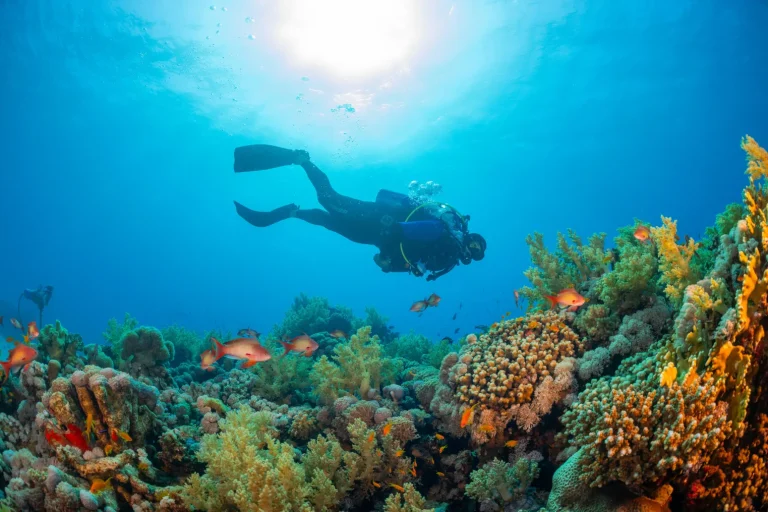
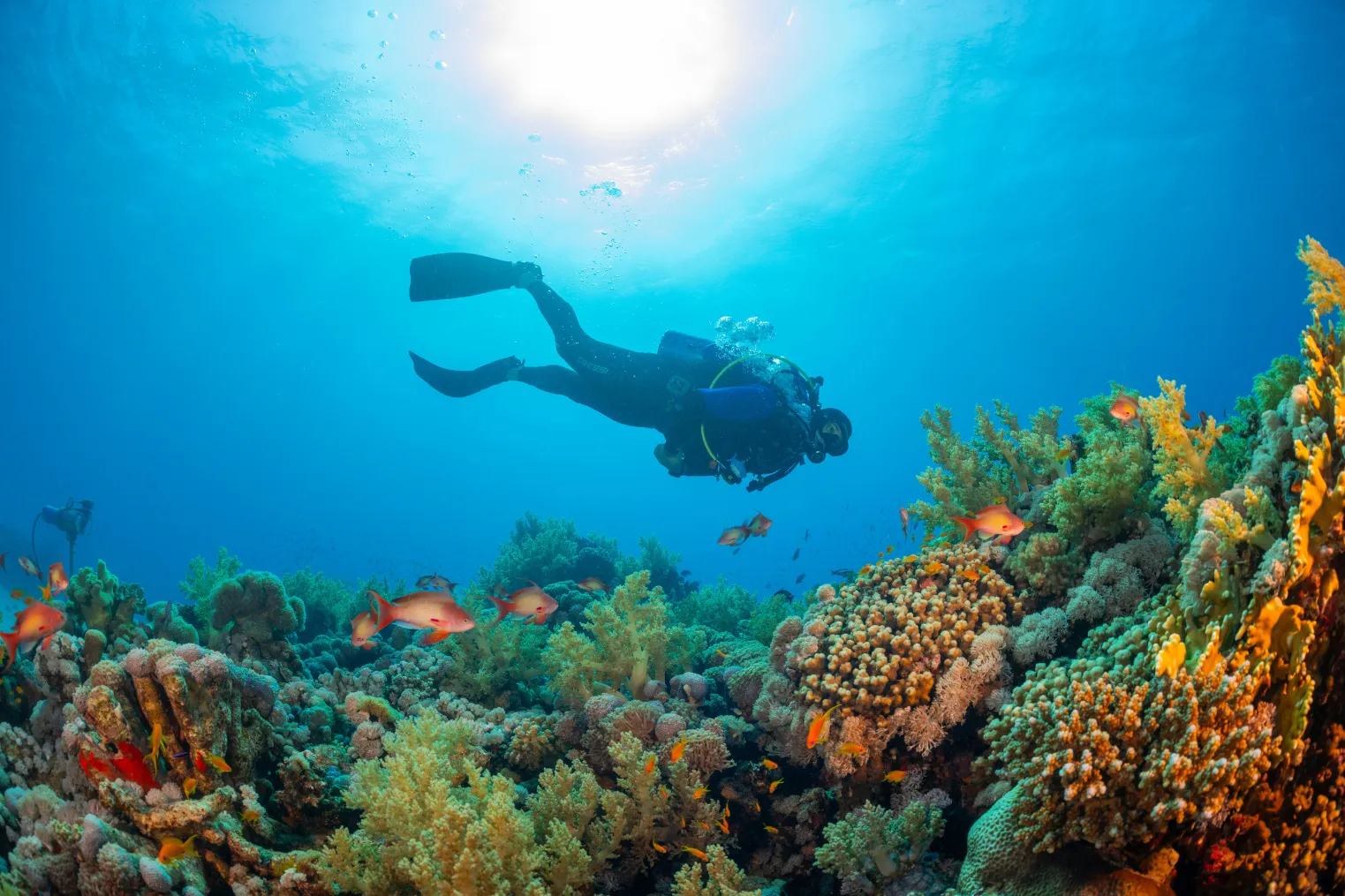
If you’re curious about shore diving in Oahu, your first outing will likely feel calmer than you expect. You’ll step in from the beach, wade through warm shallows, and follow a guide over lava rock and low coral heads in water often just 10 to 40 feet deep. You’ll hear surf behind you, watch your bubbles rise, and start noticing sea turtles, reef fish, and your own breathing. The part that surprises most beginners comes next.
Key Takeaways
- Beginner shore dives in Oahu are best at calm, protected sites with shallow reefs, easy entries, and visibility that supports a relaxed first experience.
- Non-certified divers need a supervised Discover Scuba Dive, while independent shore diving requires full Open Water certification.
- Guided beginner dives usually include a beach briefing, buddy plan, gear checks, and conservative routes in about 10 to 40 feet of water.
- Conditions can change quickly, so check surf, tide, visibility, current, and shoreline exits before entering and keep watching the water.
- Expect to protect the reef by avoiding contact with coral and wildlife, and use proper gear, including a wetsuit, computer, signaling devices, and cutting tool.
Can Beginners Shore Dive in Oahu?
Yes, beginners can shore enter in Oahu, as long as you pick a calm, protected site that matches your comfort level. Think shallow reefs and easy entries at places like Sharks Cove, where lava rock meets clear water and the reef starts close to shore. A beginner-friendly shore dive feels manageable when the ocean stays quiet. At Waikiki’s beginner-friendly sites, divers often spot marine life like reef fish and other common shallow-water species. Conditions change fast, though, so you should check surf and tide reports before you suit up. Local knowledge matters. Go with someone who knows the site and can point out surge, slippery rocks, and the best exit. Use the buddy system, do your gear checks, and review simple emergency plans before you wade in. If your Open Water skills feel rusty, choose the mellowest morning possible that first day.
Do You Need Certification or a Discover Dive?
Once you’ve picked a calm shore site, the next question is simple: can you enter the water on your own, or should you book a Discover Scuba experience first?
If you’re not certified, you can’t do an independent shore entry in Oahu. You’ll need a full course such as PADI Open Water, or you can try Discover Scuba Diving instead. That option is a one day intro with basic skills, a shallow supervised shore experience, and no certification at the end. A Discover Scuba Dive is designed as your first underwater adventure and introduces you to what scuba diving feels like in a controlled setting. It’s ideal if you’re curious, short on time, or just want to hear your bubbles hiss over a reef. Even if you’re newly certified, guided experiences are a smart call. Instructors handle briefings, gear checks, buddy setup, and emergency plans. Local operators also assess surf, surge, tides, and currents before letting anyone enter the water.
How to Choose a Safe Oahu Shore Dive Site
Even in a place as inviting as Oahu, a safe shore dive starts with picking a site that fits your skill level, not your daydreams. If you’re new, choose calm, shallow dive sites like Sharks Cove (Pupukea) instead of exposed stretches on the North Shore of Oahu. Check Surfline before you go. High surf, pounding shore break, and surge can turn an easy entry into a wrestling match. For beginners, pay close attention to visibility, current, and surge, since these conditions can quickly change how manageable a shore dive feels. Walk the shoreline too. You want a gentle sandy patch or a broad rock ramp, not a slick ledge or narrow channel through coral reefs. It’s smart to pick sites known well by local dive shops, because they track currents, exits, and hazards. Before you suit up, confirm your nearest exit, buddy plan, and emergency contacts.
What to Expect on a Guided Oahu Shore Dive
Because shore diving starts before you touch the water, your guided Oahu dive usually opens with a beachside briefing on the day’s conditions, the entry and exit, and any site-specific hazards like surge or current. Your guide also reviews the route, emergency steps, and whether weather, tide, or surf could shift plans at different dive sites.
Before you ever enter the water, your guide walks you through conditions, hazards, route, and backup plans for the day.
- You’ll follow a PADI- or DAN-trained guide into shallow reefs, often 10 to 40 feet deep, where the underwater world feels close and bright, even on your first outing.
- You’ll get calm coaching on equalizing, buoyancy, and keeping respectful space from coral and marine life.
- You can expect conservative pacing, with your guide watching depth and air, choosing sheltered spots, and changing sites if the ocean gets moody.
- Many of the best beginner spots on Oahu are chosen for easy entries, clear visibility, and gentler conditions that help new divers feel comfortable.
Still comparing Beginner Shore Diving In Oahu: What It’s Like?
Ask for tour ideas, hotel suggestions, or a simple trip plan that combines both.
Trip Helper
What Gear You’ll Use and Check First
Before you step into Oahu’s clear shallows, you’ll want to check the gear that keeps everything easy and calm. Test your BCD, regulator, tank, mask, fins, and weights on shore first, and make sure each piece works smoothly with no leaks, cracks, or salty surprises. For beginner scuba gear in Honolulu, bringing or confirming these essentials ahead of time helps your shore dive start smoothly. Then you’ll do a quick buddy check so you know your air, releases, and plan are all set before the reef starts calling.
Essential Shore Dive Gear
Start with a full kit you trust, then check it like the ocean’s already waiting. You’ll use a mask, snorkel, fins, and a 3mm to 5mm wetsuit, plus BCD, regulator, octo, gauge, and a dive computer. Many beginner scuba tours provide all necessary gear, which is helpful if you’re not ready to buy your own setup yet. Pack mask defogger and neoprene gloves too.
- Look over hoses and the regulator for salt wear, cracks, smooth purge action, and a tank reading near 3000 to 3442 psi.
- Carry shore-smart extras: SMB with reel, whistle, dive flag or float, and a cutting tool for rocky Oahu entries.
- Test weights in shallow water so neutral buoyancy feels easy at safety stop depth.
Afterward, rinse everything in fresh water, dry the suit, and note damage before salt turns tiny issues expensive so the next entry feels smooth and fun.
Pre-Dive Safety Checks
Always give your gear a calm, top-to-bottom check while the shore break hisses over the rocks, since this is the moment small fixes still feel easy. Open the tank fully and confirm 2000 to 3000 psi. Test your inflator, dump valves, regulator, and alternate air source. Seal your mask with a slow nose exhale. Keep straps snug, not heroic. For new divers, these simple checks are one of the best ways to make scuba diving feel safer and more manageable from the start.
| Check | Why it matters |
|---|---|
| Weights and buoyancy | Secure release, then float-check for Oahu saltwater lift. |
| Buddy communication | Compare gauges, signals, ascent plan, and equipment redundancy. |
Wiggle fin straps, snorkel clips, and quick releases. Make sure your 3 to 5 mm suit still fits without turning you into a sausage. A quick buddy review also covers lost-buddy steps and safe ascents, which feels wonderfully reassuring there.
How to Stay Safe and Respect Oahu Reefs
Staying safe in Oahu’s clear blue water begins with knowing your limits and treating the reef like a living neighborhood, not a playground. Before you enter, build reef stewardship and surge awareness into every decision. In Hawaii, reef etiquette means never touching coral or standing on the reef, even in shallow entry areas. If you’re new, get certified or book a Discover Scuba with a guide.
Know your limits, respect the reef, and let surge awareness guide every step before you enter Oahu’s blue water.
- Dive with a local buddy who knows Sharks Cove, Pupukea, and tricky entry and exit points.
- Check your BCD, regulator, and mask carefully, then rinse and inspect everything after salty shore dives.
- Equalize early and often, and keep neutral buoyancy so your fins don’t smack coral.
You’ll notice how quickly conditions shift. One minute the water hums softly, the next it tugs at your knees. Follow local rules, don’t touch wildlife, and let the reef stay wild for everyone.
Frequently Asked Questions
What Time of Day Is Best for Shore Diving in Oahu?
Early morning is usually best for shore snorkeling in Oahu because you’ll get calmer water, better visibility, and lighter winds. You can also go snorkeling late afternoon, but conditions often shift and crowds can build.
How Much Do Beginner Shore Dives in Oahu Typically Cost?
Like dipping your wallet into turquoise light, you’ll typically pay $70 to $150 for beginner shore dives in Oahu. Costs rise with equipment rental, while guides often trim prices through group discounts and package deals.
What Marine Life Might First-Time Divers See Near Oahu Shores?
You’ll spot reef fish, sea turtles, eels, octopus, reef crabs, and sea stars; you might catch moray sightings, juvenile fish, and night creatures near tide pools along Oahu’s shores, especially on calm, clear beginner dives.
Are There Beginner-Friendly Shore Dive Spots Near Waikiki?
Like checking your smartphone before a voyage, you’ll find beginner-friendly shore dives near Waikiki at Kapiolani Park and Magic Island, where Beginner reefs and Calm coves help you build confidence, spot fish, and practice entries.
Can Non-Diving Friends or Family Watch From the Beach?
Yes, your non-diving friends and family can usually watch from the beach, especially at easy-access sites. You’ll often have beachside spectators nearby, and they can relax, cheer you on, and snap family photos afterward, too.
Conclusion
So yes, you can start small in Oahu and still feel the big magic. One minute you’re on warm sand, checking fins and air. The next, you’re gliding over lava rock, listening to bubbles hiss and watching yellow tang flash through clear blue water. Keep it guided, keep it shallow, and keep your hands off the reef. You’ll trade nerves for rhythm, surf noise for underwater quiet, and maybe a goofy grin behind your mask.