What most first-timers don’t know is that you don’t need to be a strong swimmer to try beginner scuba in Oahu. You do need to stay calm in the water, float with gear on, and follow your instructor through a shallow reef site where the boat rocks softly and your breathing sounds loud in the regulator. In Hawaii Kai, that can be realistic, but only under very specific conditions, and that’s where the real decision starts.
Key Takeaways
- In Oahu, non-swimmers can usually try Discover Scuba if they’re comfortable in water and can do a basic flutter kick.
- Complete beginners typically start with a short boat lesson, shallow-water practice, then a guided calm reef dive with constant instructor supervision.
- Realistic beginner dives are shallow, sheltered reef sites near Hawaii Kai, not wrecks, drift dives, walls, or night dives.
- Skip scuba if pregnant, unable to float calmly, have severe motion sickness, or have respiratory or mobility issues affecting equalizing or breathing.
- Expect rental gear included, BCD surface flotation, small groups around four per instructor, and no flying for at least 18 hours afterward.
Can Non-Swimmers Try Scuba Diving in Oahu?
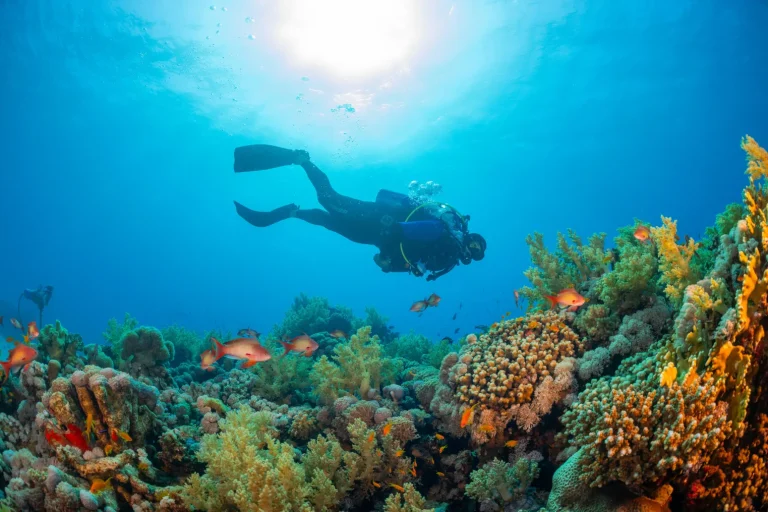
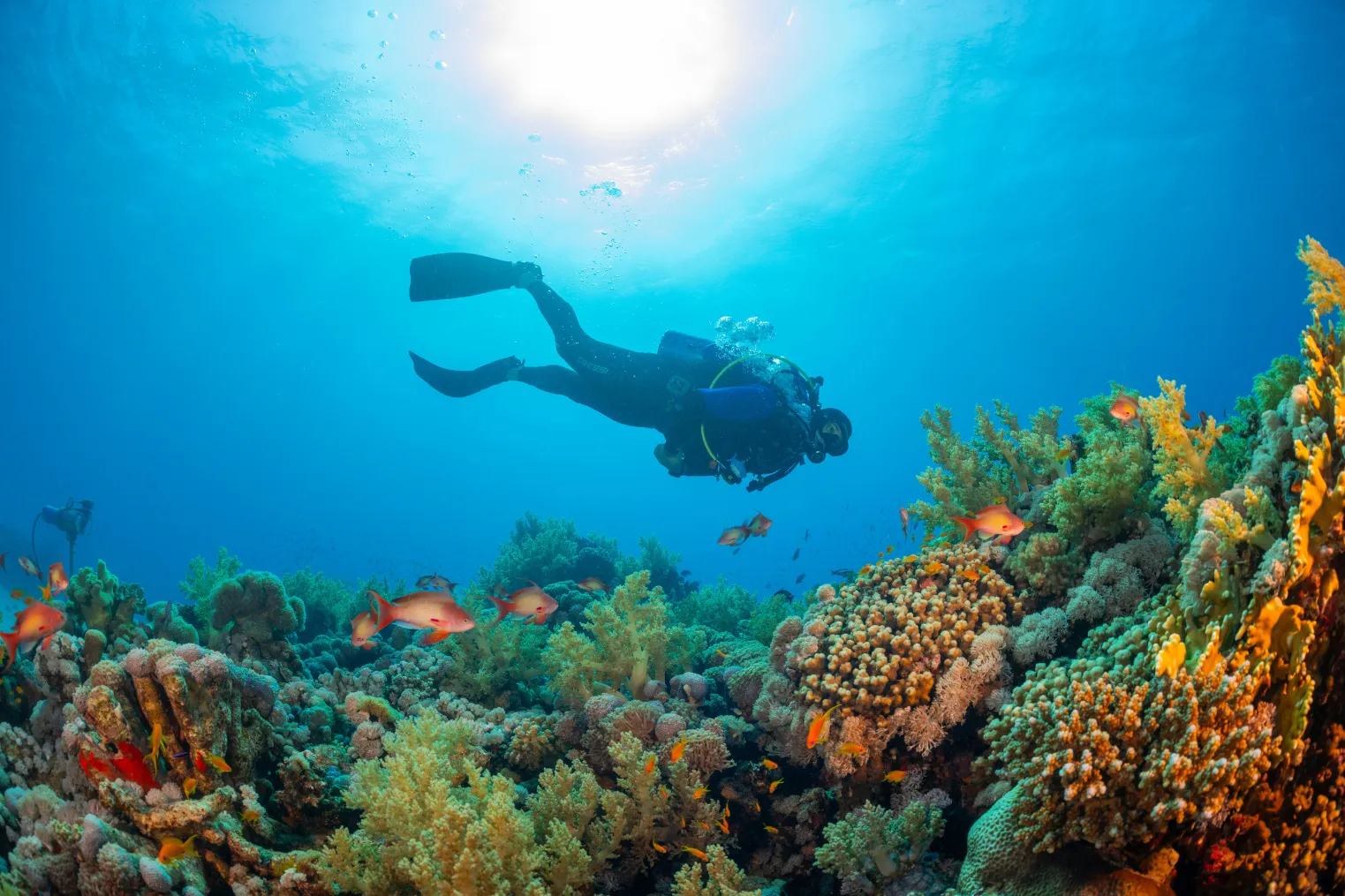
Yes, you can try scuba diving in Oahu even if you don’t know how to swim, as long as you’re comfortable in the water and can do a simple flutter kick. Many island operators offer Discover Scuba trips designed for non-swimmers, especially around Hawaii Kai. You’ll usually head to shallow, sheltered sites where the sea feels calm and the pace stays easy. Instructors keep groups small, often four students to one guide, so you get close attention from start to finish. At the surface, your BCD helps you float, which takes some pressure off those first nervous breaths. Underwater, you can drift through clear waters above easy reefs, watching green turtles cruise by and reef fish flash like confetti. It’s short, guided, and surprisingly approachable for beginners.
What Beginner Scuba in Oahu Requires
Before you gear up, beginner scuba in Oahu asks for just a few simple things. You don’t need formal swim certification, but you should feel comfortable in the water and manage a flutter kick. For most beginner options, you must be at least 10 years old, and Discover groups are kept small. You’ll head out by boat to calm sites, like Maunalua Bay, with easy entry and a BCD that floats at the surface like life jackets. Some tours also offer hotel pickup in Waikiki for added convenience before your beginner scuba outing. Wetsuits are usually included, though warm Hawaiian water may make one optional. Contact lenses are fine. Wait 18 hours before flying, consider motion sickness prevention, and tell your instructor if you’re pregnant or have concerns about Open Water classes. Snorkeling stays available if scuba isn’t right today.
How Discover Scuba Diving in Oahu Works
Step onto the boat and Discover Scuba Diving in Oahu starts feeling surprisingly simple. You get a short lesson, practice a few basic skills in shallow water, then follow your instructor on a supervised reef dive. Boats are built for easy entry and exit, bathrooms are onboard, and wetsuit rentals are included. This no certification format makes it especially approachable for first-time visitors who want to explore Oahu underwater.
| Stage | What you do | What you notice |
|---|---|---|
| Boat briefing | Learn gear basics | Salt air, easy pace |
| Shallow practice | Try flutter kicks, breathing | Bubbles, clear water |
| Reef dive | Stay close to Scuba divers | Turtles, bright fish |
Most trips head to Manaloa Bay, not the North Shore, with Diamond Head and Koko Head in view. Contact lenses are fine, and photos are usually available. Only four beginners go with each instructor, which keeps everything calm.
How Safe Beginner Scuba Diving in Oahu Is
You’ll usually enter the water with close instructor supervision, often with about four beginners per guide, so you’re never left guessing what comes next. You’ll also use a boat built for easy entry and exit, which makes the whole process feel calmer when the deck is rocking and the salt spray’s in the air. Before you get in, you’ll practice the basic gear and safety steps, and if the ocean looks rough, operators will call it off without charging you a cent. Most beginner dive tours in Honolulu also follow a set tour length, which helps non-swimmers know what to expect before booking.
Instructor Supervision Standards
Even if you’ve never thought of yourself as a swimmer, beginner scuba in Oahu is built around close, hands-on supervision. For Discover scuba diving, you’re usually in a 4:1 student-to-instructor group, so help stays right beside you. That’s the first thing you need to know, no matter the best time you book.
- Instructors teach BCD use and surface flotation first.
- You don’t need swim certification, just basic water comfort.
- They stay nearby during skills practice and guided swims.
- Beginner trips get more attention than certified charters, often 6:1.
Many first-time divers are surprised that the experience begins with a simple orientation before entering the water. You’ll also hear clear rules. You shouldn’t fly for 18 hours after diving. Pregnancy rules out scuba, though snorkeling may work instead. If conditions look off, instructors cancel. That caution is reassuring, not dramatic, for you.
Boat And Water Safety
Usually, beginner scuba diving in Oahu feels safer than most first-timers expect because the whole trip is set up for people who are new to the water. You board boats built for easy entry and exit, and your BCD keeps you floating at the surface like a life jacket. Before you move, the crew walks you through deck procedures, emergency drills, and buddy signals in plain language. You don’t need swim certification, just basic water comfort and a flutter kick, and beginner groups are usually capped at four students per instructor. Honolulu operators also explain boat diving step by step so beginners know exactly what their first-time experience will be like before entering the water. If the ride to spots like Manaloa Bay gets choppy, motion-sickness pills help you stay steady. Shops also cancel unsafe days, enforce the 18-hour no-fly rule, and don’t allow diving during pregnancy either.
Why Hawaii Kai Works for Beginners
In Hawaii Kai, you get an easy boat setup that takes some of the nerves out of your first time in the water. You head out to sheltered, shallow reefs in Manaloa Bay where the water is often calm and clear, with Diamond Head and Koko Head framing the view and turtles slipping past reef fish below. The whole experience feels built for beginners, from simple entry and exit to close guidance that lets you focus on what you’re seeing instead of what could go wrong. That’s why many divers consider Hawaii Kai one of the best beginner spots on Oahu.
Easy Boat Access
Often, the easiest part of trying scuba in Hawaii Kai is simply getting to the water. You park free, walk a short distance, and step aboard without the usual beach shuffle. For non-swimmers, that simpler setup removes a lot of suspense before you even gear up.
- Easy boat boarding with low sides
- Steady ladder assistance for entry and exit
- Clear deck briefings before anything starts
- A bathroom onboard, plus BCD surface flotation instruction
Because beginner dives leave from boats, you skip long surface swims and awkward shore entries. That matters when you’re new and still learning how scuba feels. Honolulu’s beginner scuba tours commonly depart from convenient boat-access areas, which is one reason Hawaii Kai feels especially manageable for first-timers. You stay close to comfort, not far from it, and the whole morning feels organized instead of chaotic, with less flailing and more focus on breathing easily.
Calm Scenic Reefs
Because Hawaii Kai’s reef sites sit in the calmer, protected waters of Manaloa Bay, your first dive can feel more like a quiet guided float than a test. You stay shallow in warm water, with Diamond Head and Koko Head framing the horizon. Turtles cruise by, reef fish flicker, and your 4:1 guide keeps everything slow. This kind of shore diving setting is what makes Oahu feel especially approachable for first-time beginners.
| You | Feel |
|---|---|
| Gentle reef | Curiosity wakes |
| Clear blue | Breathing settles |
| Turtle glance | Confidence grows |
| Easy boat | Stress drops |
No swim certification is required, only comfort and a flutter kick. Ask for reef photography tips, practice seascape composition, and learn marine conservation basics while you drift. It’s beginner-friendly, realistic, and maybe the rare vacation moment when doing less lets you see more without playing hero in choppy water today.
What Beginner Scuba Diving in Oahu Feels Like
What does beginner scuba diving in Oahu actually feel like when you don’t consider yourself a swimmer? More manageable than dramatic, even on your first inhale underwater. You start on a boat with an easy platform, then practice breathing rhythm, weight comfort, and mask clearing before slipping into warm, shallow water. Your instructor stays close, often in a 4:1 group, so nothing feels rushed.
- The BCD floats you at the surface, which calms first-jump nerves.
- Flutter kicks matter more than swim strokes, and that surprises people.
- Underwater, sound softens, your bubbles chatter, and time slows down.
- You move along the reef at a relaxed pace, not into deep, difficult terrain.
It feels supervised, gentle, and quietly adventurous, like learning a new language while hovering. For many first-timers, a small group setup makes the whole experience feel calmer and more personal.
What Marine Life Beginners Usually See
Once you settle into that slow underwater rhythm, your attention shifts from your breathing to the reef itself. In Oahu’s calm beginner sites near Manaloa Bay, you’ll usually spot green sea turtles cruising by or resting on the bottom. Sea turtles are among the most common and memorable sights on Oahu scuba dives, especially at calm beginner-friendly reef sites. Turtle behavior often feels relaxed, and because they’re protected, you watch without getting too close.
You’ll also see busy schools of sergeantfish, goatfish, pufferfish, angelfish, and leaf fish flickering over shallow coral. Reef camouflage becomes part of the fun when a devilfish disappears into sand or tiny invertebrates hide in plain sight. Even small white-tip or black-tip reef sharks sometimes pass through, but they’re shy and usually keep moving. Photographer tips start simple. Look slowly, pause often, and check sandy patches and coral edges. That’s where the reef reveals surprises.
Who Should Skip Scuba and Snorkel Instead
Sometimes the smartest first call in Oahu is to skip scuba and snorkel instead. If shallow water already feels shaky, listen to that signal. You need real comfort floating and using a basic flutter kick before intro scuba makes sense.
- You can’t float calmly or kick in the shallows.
- You’re pregnant. That’s a clear pregnancy caution because pressure changes can affect the fetus.
- You need mobility alternatives, or you have respiratory limits that make equalizing and regulator breathing tough.
- Severe motion sickness still hits, even after medicine the night before and morning of.
Kids under 10 should snorkel too. You’ll still hear parrotfish crunch coral, watch yellow tangs flicker by, and keep the day easy. That swap often means more smiles and fewer surprises.
What to Wear and What’s Included
You don’t need to haul much to the boat, because your mask, snorkel, fins, regulator, and BCD are included, and a wetsuit rental comes with the price if you want one in Oahu’s warm water. You can wear your contact lenses, and your instructor will show you how the BCD keeps you floating at the surface like a life jacket. If you get seasick easily, bring motion-sickness medicine and take it the night before and again in the morning, because a calm stomach makes the whole trip feel a lot smoother. Most beginner scuba tours include all the necessary basic rental gear, so you usually only need to bring personal items like a towel, swimsuit, and any medication you need.
What To Bring
A simple setup makes this first dive feel a lot less mysterious. Wear your swimsuit under your clothes so you can check in, stash your bag, and get moving fast. Oahu’s water is warm, so a wetsuit is optional. You’ll want a few basics that keep the boat ride easy and the after-dive shuffle comfortable.
- sun protection like reef-safe sunscreen, a hat, and sunglasses
- a waterproof bag for dry clothes, phone, and keys
- an extra towel plus your regular towel for the ride back
- motion-sickness meds and any personal medications you need
For beginner scuba diving, bringing just the essentials helps keep your first Honolulu dive simple and low-stress. You don’t need swim certification or goggles, and contacts usually work fine. There’s a bathroom on board, free parking at Hawaii Kai, and photos are often available if you want proof later.
Gear Included
Slip into your swimsuit, then let the crew handle the rest. For beginner immersions in Hawaii Kai, the shop includes a wetsuit rental, though warm water means you may skip it. Many first-timers still wear one for comfort and a little extra buoyancy. You won’t need to haul gear from home. They provide the BCD, regulator, mask, fins, and tanks, and the instructor shows you how the BCD supports you at the surface like a life jacket. Most beginner scuba packages also include basic instruction before you enter the water, so you know how to use the equipment safely. If you wear contacts, you can submerge with them, so pack a spare. Good rental tips matter: check mask fit before you leave the dock. Ask questions about equipment maintenance too. The boat has a bathroom, and photographers are often onboard if you want souvenir shots later.
When to Dive Before Flying Home
Before you trade Oahu’s warm blue water for an airplane seat, leave at least 18 hours between your last scuba dive and takeoff. That FAA rule matches most dive-shop policy, and it’s the baseline even after night dives or advanced boat charters. Hawaii operators also follow no-fly time rules to help divers reduce decompression risk before air travel.
- Flying early? End your final dive by early morning the day before.
- Doing repetitive dives or a multi-day course? Give yourself 24 hours.
- Did deep explorations, stack several in one day, or feel odd? Wait longer.
- Keep up post dive hydration, skip altitude flights, and get medical clearance if symptoms pop up.
That buffer helps your body off-gas quietly while you swap reef hush for airport noise. You’ll land with a wider safety margin and one less thing rattling around your carry-on brain.
How to Choose a Beginner Dive in Oahu
Once your flight timing is sorted, you can focus on picking a first underwater outing that feels easy, calm, and well supervised. Choose a Discover Scuba Diving trip built for non-certified beginners, with basic skills practice, in-water supervision, and wetsuit rental included. Ask about instructor ratios and keep it to four beginners per instructor max. You can also use Open Water Certification listings to compare beginner-friendly course availability online before booking.
Look for calm, shallow reef boat dives in Manaloa Bay, where easy entry techniques matter and green turtles cruise past reef fish. Check equipment comfort, ask for close support, and confirm your BCD can provide surface flotation. Skip wrecks, walls, drifts, and night dives. Favor charters with bathrooms, a photographer, clear refund rules, and smart motion-sickness planning. If you’re comfortable in the water, a flutter kick is enough here.
Frequently Asked Questions
Are There Age Limits for Beginner Scuba Dives in Oahu?
Yes, you’ll need to meet the minimum age: 10 for beginner scuba experiences and certification courses. If you’re under 18, you’ll need parental consent, and everyone must pass a medical screening. Pregnancy means you shouldn’t scuba.
Can I Wear Glasses or Contact Lenses While Scuba Diving?
Yes, you can wear contact lenses while scuba diving; ironically, glasses become useless underwater. You’ll need prescription masks instead, protect mask seals, and handle contact solutions carefully. Ask your shop early so you’ll see cues clearly.
Should I Take Motion Sickness Medication Before the Boat Ride?
Yes, you should take motion sickness medication before the boat ride; use sea sickness remedies with proper prescription timing: the night before and morning of. Choose non drowsy options when possible, and tell your instructor beforehand.
Can Friends or Family Come Along Without Diving?
Yes, you can bring friends or family without diving. They’ll get shore support, hear the safety briefing, and relax on the boat. They can snorkel too, and you’ll all enjoy great photo options afterward together.
How Far in Advance Should I Book a Beginner Dive?
Book 24–48 hours ahead, but you’ll want a longer booking window during peak seasons. If you need rentals, photos, or private help, book 3–7 days out, and always check cancellation policies before you confirm early.
Conclusion
If you’re not a swimmer, Oahu can still open the door to scuba, just in the right way. You start shallow, hold the rail, hear your bubbles click past your ears, and then, almost by coincidence, a yellow tang flickers over the reef right when you finally relax. That’s the realistic magic here. Choose a small guided Discover Scuba trip, ask honest questions, and let calm water, good instruction, and a little courage do the rest.