Your first scuba plunge in Hawaii feels a bit like opening a door in the middle of the ocean. You start with a beginner-friendly shop, a quick medical form, and a mask that actually fits your face, then you wade into calm blue water where lava rock, coral heads, and the hiss of your own breathing suddenly matter. Get the steps right, and the islands show you a very different Hawaii just below the surface.
Key Takeaways
- Choose a beginner-friendly Hawaii site with clear, warm, protected water, such as Oahu’s Turtle Canyon, Maui’s Ulua Beach, or Kona’s calm bays.
- Book a reputable dive shop affiliated with PADI, SSI, or NAUI, and confirm small class sizes, maintained gear, oxygen, and clear emergency procedures.
- Complete the medical questionnaire, confirm swimming comfort, and get doctor’s clearance if you have asthma, heart issues, or recent surgery.
- Start with a Discover Scuba dive or Open Water course, practicing mask clearing, regulator recovery, buoyancy control, hand signals, and slow breathing.
- Follow the briefing, dive shallow with your instructor, ascend slowly with a safety stop, and wait at least 24 hours before flying.
Why Hawaii Is Great for First-Time Scuba
Often, Hawaii feels like it was designed to make first-time scuba less intimidating. When you try scuba diving in Hawaii, you usually get clear water with 60 to 100 feet of visibility, so you can spot your instructor, the reef, and that flashy yellow tang before it spots you. Warm water stays consistent through the year, which helps you relax faster. Many beginner sites use protected shore entries like Ulua Beach, Turtle Canyon, and Kona bays, where the ocean often feels calm instead of bossy. Hawaii also runs a well-regulated dive scene, with pro instructors and modern gear that keep training smooth and dependable. Most beginner programs also include a clear step-by-step walkthrough of safety basics, breathing, hand signals, and shallow-water practice before you head out. Better yet, the skills you build here travel anywhere. You start in gentle conditions, then open up future dives like Molokini and Kona’s famous manta nights later.
Make Sure You Meet Scuba Requirements
Hawaii makes first-time scuba feel friendly, but you still need to check a few basics before you pull on a wetsuit and follow the bubbles out. You should be comfortable swimming and able to float or tread water, since most shops require that before training begins. You’ll fill out a medical questionnaire. If you have asthma, surgery, or heart issues, you may need a doctor’s clearance. Age matters too. Junior programs often start at 10, while older divers can join if they’re fit. In confined water, expect to practice mask clearing, regulator recovery, and buoyancy control before any open-water dive or PADI Open Water course. Bring or rent a mask that seals properly. If you need vision help, use a prescription dive mask. On a first dive in Oahu, instructors typically explain each skill step by step so beginners know exactly what to expect before entering open water.
Pick the Best Hawaii Island and Dive Site
Island choice shapes your first dive more than the fins or the wetsuit ever will. Oahu gives you easy starts at Turtle Canyon, Magic Island, and Horseshoe Reef, with steady conditions and plenty of beginner routes. Maui suits you if protected coves like Ulua Beach or Black Rock sound calmer. Oahu is also a great fit for Discover Scuba Diving since no certification is needed to get started.
| Island | Feel | First look |
|---|---|---|
| Oahu | easy rhythm | turtles, sand, bright reef |
| Big Island | glassy Kona blue | lava slopes, clear water |
Choose the Big Island for Kona’s calm west coast, strong visibility, and a future manta night dive after certification. Pick Kauai’s south shore only on calm days. Whatever island you choose, start shallow, use shore entries, and skip drift or deep wreck dives for now. Think postcard blues, soft sand, and easy underwater orientation.
Choose a Reputable Hawaii Dive Shop
You’ll want a shop tied to trusted agencies like PADI, SSI, or NAUI, especially one near beginner-friendly training spots in Waikiki, Kaanapali, or Kona. Check that your instructor’s certified, knows local conditions, and works with well-kept gear and clear safety rules, because calm briefings and clipped tank valves tell you a lot. Before you book, read fresh reviews and ask about class size, since a smaller group often means you won’t feel like just another wetsuit in the lineup. For first-timers, small group dives can be a better choice in Honolulu because they often provide more personal attention and a less overwhelming introduction to scuba.
Still comparing Turtle Canyon?
Ask for tour ideas, hotel suggestions, or a simple trip plan that combines both.
Trip Helper
Instructor Credentials
Before you book that first dive, take a close look at who’s teaching and how the shop runs. A Reputable Dive shop in Hawaii should work with a major training agency like PADI, SSI, or NAUI, so you know the program follows a clear system. Ask whether your instructor holds current professional status and can show recent teaching experience plus updated DAN or First Aid training. Then look beyond the counter. Read reviews, ask local divers, and confirm the business carries insurance and proper Hawaii boat permits. Check class size too. You want enough one-on-one coaching to feel seen, not herded like fish at feeding time. Also ask how they maintain gear, brief guests, and respect reef rules every day on the water and under pressure. If you are comparing operators, look for beginner scuba tours in Honolulu that clearly explain pool-style skills practice, shallow site selection, and first-time diver support.
Safety And Certifications
A strong instructor matters, but the shop’s safety culture and certification path shape your whole first underwater day in Hawaii.
1. Choose a reputable shop with PADI, SSI, or NAUI credentials. In Waikiki, Kona, Lahaina, and Poipu, many shops earn praise from local reviews and returning scuba divers.
2. Check the basics. You want modern rental gear, oxygen, first-aid kits, DAN affiliation, and clear emergency procedures.
3. Know your path. A PADI Open Water or SSI equivalent usually takes 2 to 3 days, with class sessions, pool skills, and four ocean dives for lifetime certification.
You can also use online booking to confirm course availability 24/7 and reserve your certification course in minutes.
4. Not ready yet? Book Discover Scuba Diving for a supervised shallow-water taste.
Before you dive, complete the medical questionnaire and get doctor clearance for asthma, heart issues, or recent surgery.
Pick Your First Scuba Course in Hawaii
Start by choosing the kind of first dive trip you want in Hawaii, then match it to a reputable shop certified by PADI, SSI, or NAUI on your island. If you want full certification, book an Open Water course. Most run two to three days in Waikiki, Kaanapali, Kona, or Poipu. If you’d rather sample the underwater world first, choose Discover Scuba Diving for one supervised shallow dive without certification. PADI notes that Open Water certification is for life, though a refresher is recommended after a long break. Check whether the shop includes or rents your mask, snorkel, fins, BCD, regulator, computer, and wetsuit. Bring or buy a personal mask that seals well. Complete the medical form early, and get physician clearance if needed. Then match your course to calm beginner sites. Kona and Maui offer clear, warm water and easy shore entries.
Learn Breathing, Buoyancy, and Dive Signals
Settle into the strange little miracle of breathing underwater, because this is the skill that makes everything else in Hawaii feel calm instead of chaotic. In Scuba, you’ll build comfort by keeping each inhale and exhale slow and steady.
- Breathe through your regulator until the hiss feels normal, not like Darth Vader visiting Maui.
- Dial in neutral buoyancy with tiny weight and BCD changes, then hover at eye level for 30 seconds.
- Review signals before every dive: OK, Up, Down, and Out of Air.
- Check your computer or gauge every few minutes, equalize early, and ascend no faster than 30 feet per minute, then pause three minutes at 15 feet.
If you ever run low, stay calm and use the Out of Air signal so your buddy or instructor can help you recover safely.
That rhythm keeps your trim tidy and the reef in clear, bright, stress-free view.
Practice Key Scuba Skills in Shallow Water
In Hawaii’s calm, shallow bays, you’ll start with mask clearing and regulator recovery until the motions feel smooth and your breathing stays slow and steady. To make mask clearing easier, you’ll press the top of the mask frame, look slightly upward, and exhale gently through your nose so the water escapes from the bottom seal. You’ll also practice buoyancy control at just a few feet down, using your BCD and tiny breaths to hover lightly above the reef instead of bumping it like a confused sea turtle. With an instructor close by, you’ll repeat each skill in clear, gentle water until your body remembers what to do and your nerves settle down.
Mask Clearing Practice
Ease into mask-clearing where Hawaii feels friendly, in calm waist- to chest-deep water at a protected shore entry like Ulua Beach or in a dive shop’s pool, with your instructor close by and a hand ready on your regulator. Before you submerge, check fit by inhaling gently through your nose. The mask should seal without leaks. If your regulator shifts during practice, use regulator clearing techniques underwater before continuing.
- Tilt your head back and look up.
- Press the mask and exhale through your nose.
- Try the one-hand mask clearing version by sealing the top skirt.
- Repeat until water slips out in 10 to 15 seconds.
After each drill, debrief with your instructor. Tweak strap tension, hand placement, or equalizing timing. Soon, mask clearing feels like a prank from the Pacific and more like a Hawaii dive skill.
Buoyancy Control Basics
Buoyancy is the quiet magic trick of scuba, and shallow water in Hawaii gives you the best place to learn it. Start neutral by inhaling slowly to rise a touch, then exhaling to sink inches. Practice until you hover still for 10 to 20 seconds without finning. Stay calm and make small corrections, because buoyancy control helps you avoid bouncing off the reef.
| Goal | What you do | What you watch |
|---|---|---|
| Hover | Breathe slowly | Stay motionless |
| Trim | Use little air in your control device | Float at eye level |
| Move | Kick gently, follow a line | Keep 3 to 5 feet above reef |
Use your BCD in tiny bursts. Near the surface, small air changes feel huge. Ascend and descend slowly along a line, equalizing early and checking speed on your dive computer or depth gauge, staying under 30 feet per minute always.
Regulator Recovery Drills
Picture yourself in chest-deep, glassy water off a protected Hawaiian shore, practicing the move until it feels as natural as finding your sunglasses on your head. On the North Shore, this drill works best where the water stays calm and you can stand if needed.
- Simulate out of air, clear your mask, and stay calm.
- Reach for your octopus or regulator, grab the mouthpiece, and bring it home.
- Breathe slow and deep, add a puff of air to your BCD, then signal OK.
- Repeat from in front and behind until muscle memory clicks in seconds.
Instructors also emphasize underwater panic prevention by teaching beginners to pause, breathe slowly, and focus on one step at a time. Keep talking with your instructor the whole time. Soon, you’ll locate, clear, and breathe from the recovered regulator smoothly, without bobbing around like a startled reef fish at all.
Rent or Buy Your First Scuba Gear
When you’re just getting started, it usually makes more sense to rent your scuba gear in Hawaii and save your shopping energy for the beach. A full set usually costs $40 to $90 per day, and reputable PADI, SSI, or NAUI shops will size everything for you. That’s handy when people come to Hawaii wanting easy logistics and less luggage.
Buy your own mask first. Fit matters, and a good seal beats a foggy rental every time. If you wear glasses, try a prescription mask. For repeat dives, add a snorkel, boots, or a shorty wetsuit for Hawaii’s 75 to 82 degree water. Keep renting the big pieces like the BCD and regulator. Before you sign out gear, complete the medical form and check mouthpieces, inflators, and computer batteries. For beginner scuba diving in Honolulu, essentials also include fins, a dive computer, and a surface marker buoy, depending on the shop and dive plan.
Know What Your First Hawaii Dive Feels Like
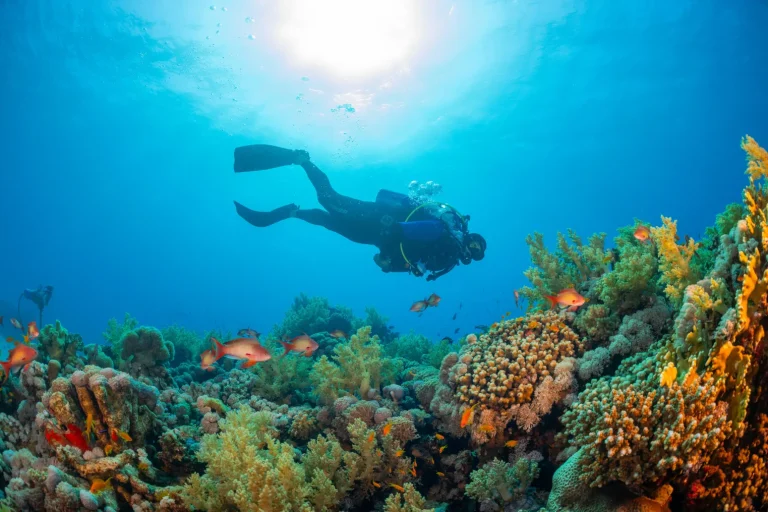
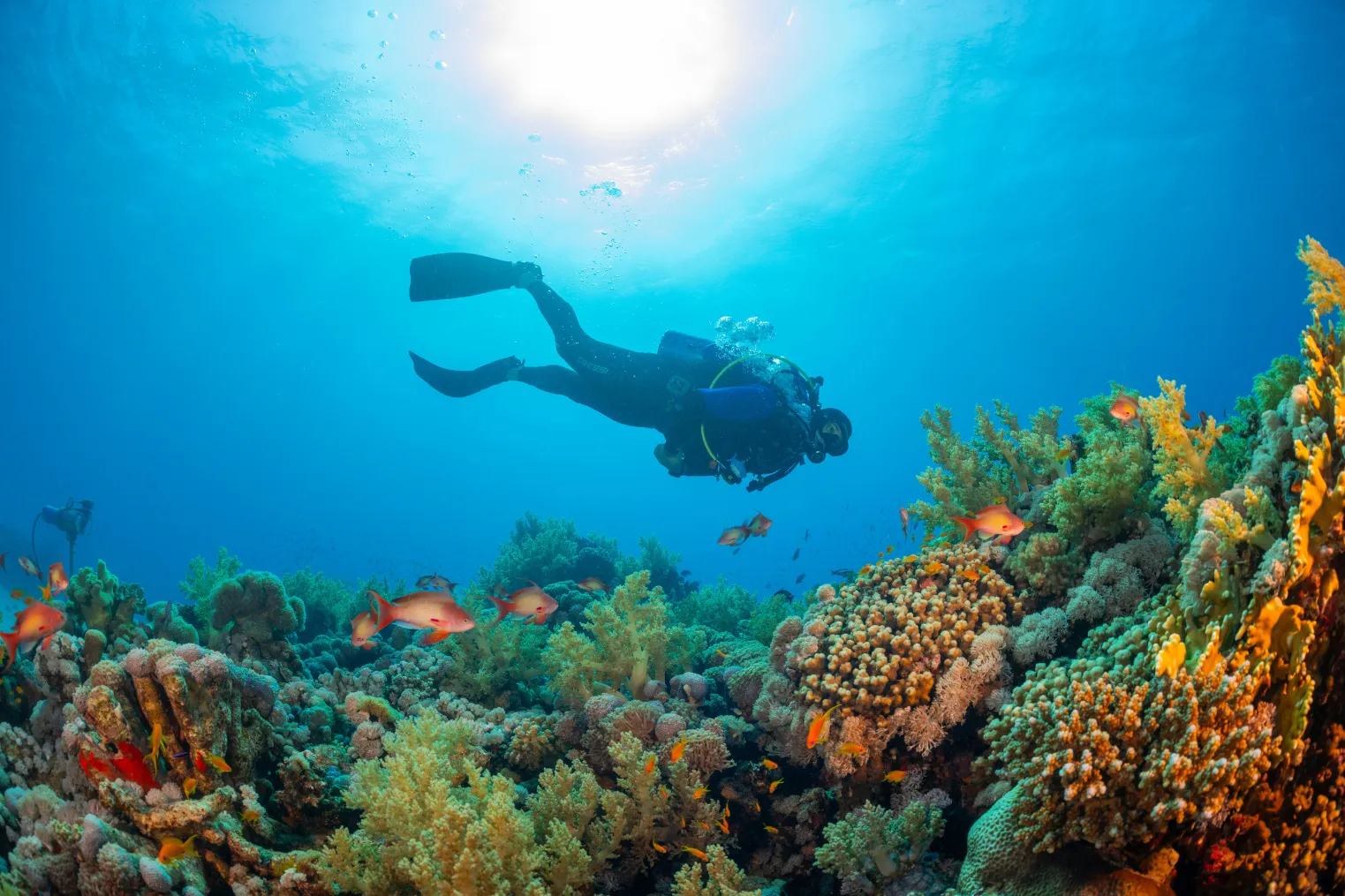
With your gear sorted, the first few minutes underwater in Hawaii usually feel surprisingly calm and a little strange in the best way. On a discover scuba dive, you descend slowly through clear blue water, often seeing 60 to 100 feet ahead.
In Hawaii, those first underwater moments feel calm, surreal, and clear enough to make the whole descent seem easy.
- You notice warm water first, which makes every breath and buoyancy check feel easier.
- You equalize your ears every few feet and get used to the soft hiss of the regulator.
- You repeat simple skills like mask clearing and regulator recovery with your instructor nearby.
- You stay shallow, usually under 60 feet, and drift over protected reefs where bright fish seem to inspect the new neighbor.
Honolulu is known for beginner scuba diving with clear conditions and easy-access reef sites that help first-time divers feel more comfortable. After a few minutes, the weird parts fade, and curiosity takes over for you right away.
Follow Hawaii Scuba Safety and Reef Rules
Even though Hawaii’s water can feel easy and inviting, the smartest first-dive move is to treat safety rules and reef etiquette as part of the adventure. Stay with your instructor and your group. Don’t wander from the plan at places like Turtle Canyon or Magic Island. Check your air often. Surface with your guide’s reserve and follow the ascent and safety stop exactly. Equalize early and often. If your ears protest, pause. Remember that beginner scuba safety rules are non-negotiable, even on calm, clear Hawaiian dive days.
| Do | Why |
|---|---|
| Hover neutrally | Protect coral reefs |
| Keep hands off wildlife | Avoid stings and stress |
| Share medical issues | Dive shops need clearances |
Good buoyancy feels like floating over lava ledges without a scrape, while tiny bubbles hiss past your mask and the reef stays wild for the next diver you meet later.
Know When to Fly or Hike After Diving
After your last dive, the clock matters as much as your gear rinse. Hawaii’s reef colors and marine life may stay in your head, but your body still needs time at sea level.
- Wait at least 24 hours before flying or heading to higher elevations.
- Skip hikes, ziplining, parachuting, and hot-air balloons for that same window.
- If you did multiple dives or any decompression-stop dive, use the safer 48-hour rule and follow your operator’s advice.
- Book your flight home with buffer time for delays.
Divers Alert Network workshop guidance found a minimum 12-hour wait may be acceptable after a single no-decompression dive, but longer intervals are advised for repetitive or decompression diving.
Listen to your body. Joint pain, dizziness, or numbness aren’t souvenirs. Get medical help fast before you fly. A patient beach day beats gambling with decompression sickness, and the waves won’t mind if you linger longer.
Frequently Asked Questions
Can I Wear Contact Lenses While Scuba Diving in Hawaii?
Yes, you can wear contact lenses while scuba diving in Hawaii if your mask fits well. Bring spares, saline, and a case. Contact lenses? They’re usually fine, but ask your eye doctor about infections first.
What Should I Eat Before My First Scuba Dive?
Play it safe: you’ll do best with Light meals 2–3 hours before diving, lean protein, whole grains, and vegetables. You should skip greasy, spicy foods, hydrate well, and avoid alcohol or caffeine right beforehand that day.
How Do I Prevent Seasickness on a Hawaii Dive Boat?
Motion sickness? You’ll prevent it by booking a morning boat, taking meclizine or scopolamine before boarding, eating lightly, hydrating, sitting mid-boat, watching the horizon, breathing deeply, and using ginger or acupressure bands if needed, too.
Can I Bring an Underwater Camera on My First Dive?
Yes, you can bring a simple underwater camera on your first dive, like packing a Walkman for the reef, if your shop approves. Use a tether, skip rigs, and follow Underwater etiquette around coral and wildlife.
What Happens if It Rains on My Scheduled Dive Day?
If it rains, you’ll usually still dive unless conditions turn unsafe. Light showers rarely change visibility, but heavy rain can trigger delays, site changes, refunds, or rescheduling. Check your operator’s Rain policy that morning directly.
Conclusion
Your first scuba plunge in Hawaii can feel surprisingly calm. You slip into clear water, hear your bubbles hiss, and watch yellow tang flicker over lava rock like confetti. In Hawaii, more than 30% of the state’s reef fish live nowhere else on Earth, so even a shallow beginner dive feels rare. If you book a small class, follow the briefing, and give yourself time before flying, you’ll leave salty, tired, and already plotting dive number two.