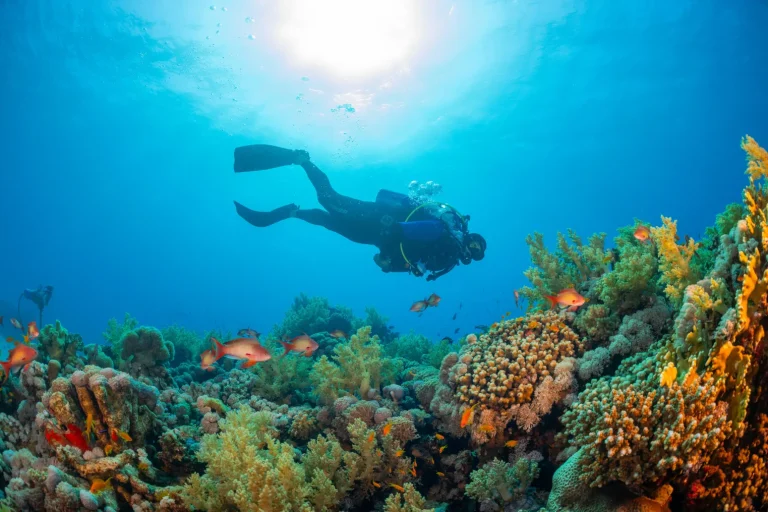
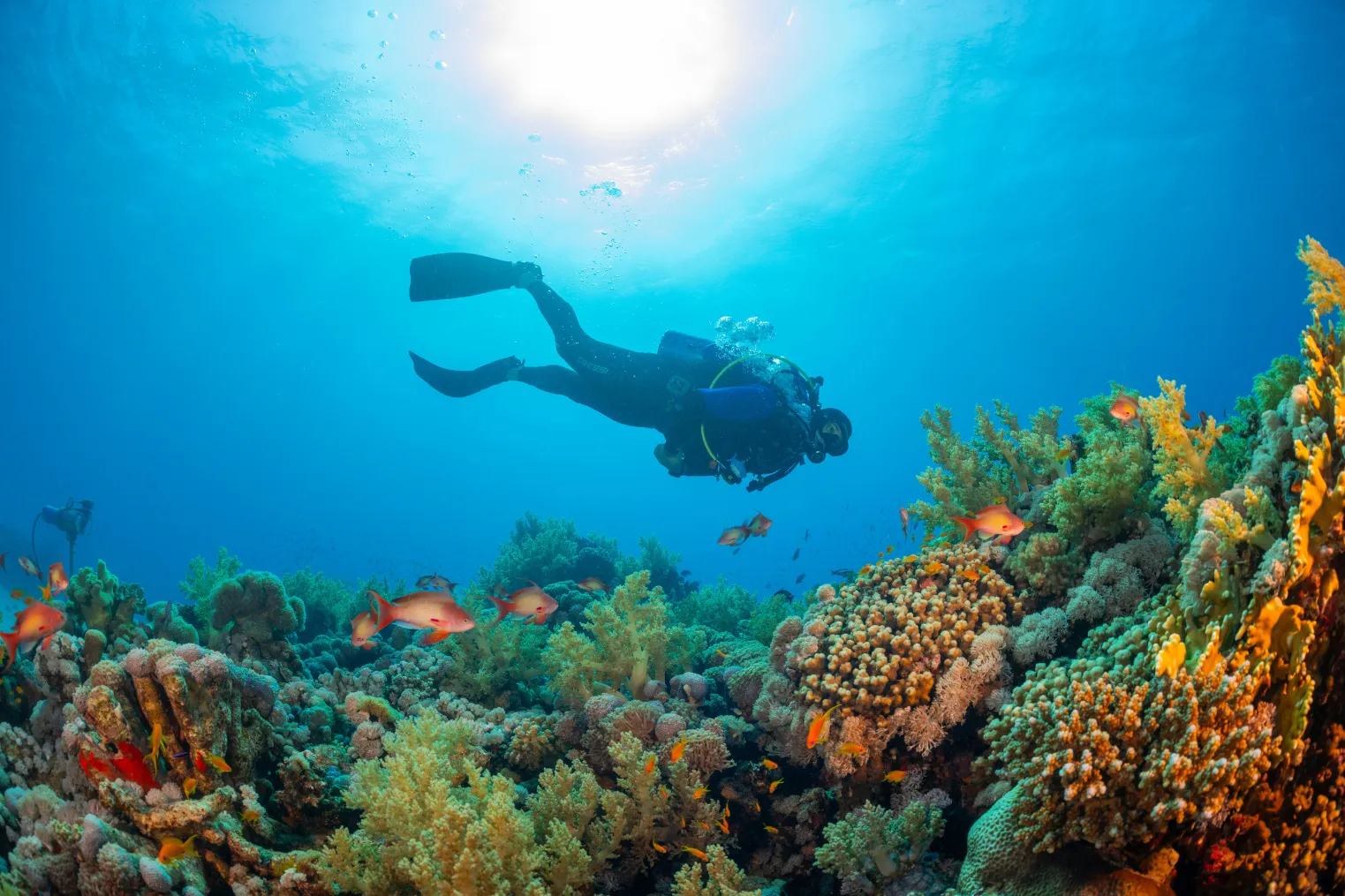
If you’re wondering whether beginner scuba diving in Oahu is worth it, imagine this: you step off a boat in Hawaii Kai, hear your own steady breathing through the regulator, and drift over warm blue water where yellow tangs flash past the reef and a green turtle might cruise by like it owns the place. The setup is simple, the pace is calm, and the first few minutes can surprise you in the best way.
Key Takeaways
- Yes, Oahu beginner scuba is worth it for warm, shallow reef dives that let first-timers experience breathing underwater without certification.
- Hawaii Kai sites near Waikiki offer calm, sheltered conditions and easy boat access, making first dives less stressful and more enjoyable.
- Beginner programs use close instructor supervision, typically a 4-to-1 ratio, with training on skills like mask clearing, buoyancy, and hand signals.
- Many tours include two beginner dives, giving extra practice time, confidence, and a smooth path toward Open Water certification afterward.
- Expect memorable marine life encounters, including tropical reef fish and frequent green sea turtles in clear, beginner-friendly water.
Is Beginner Scuba Diving in Oahu Worth It?
If you’ve ever wanted to see Oahu from below the surface, beginner scuba diving is an easy yes. With Discover Scuba Diving, you don’t need certification to drop into warm, shallow reef sites and meet the island’s busy underwater crowd. You can fin past coral heads, watch clouds of tropical fish flicker by, and likely spot protected green turtles cruising like locals.
The setup makes the experience feel invigoratingly doable. Easy-entry boats leave from Maunalua Bay near Hawaii Kai, about 20 minutes from Waikiki, and the views of Diamond Head and Koko Head are excellent before you even get wet. You’ll get a wetsuit, basic BCD training, and a guided dive with plenty of instructor attention. A Discover Scuba Dive is designed as your first underwater adventure, making it a low-pressure way to try scuba before committing to certification. If you love it, you’ve got a clear next step toward full Open Water certification later.
Is Beginner Scuba Diving in Oahu Safe?
You’ll usually feel well looked after in Oahu, thanks to beginner programs that keep supervision tight with a 4-to-1 student-to-instructor ratio and staff watching you in the water. You don’t need a formal swim test, but you should feel comfortable in the ocean, manage a flutter kick, and follow key rules like waiting 18 hours before flying and skipping scuba during pregnancy. Many tours also include two beginner dives, so you get more time to practice basic skills and build confidence underwater. The boats make things easier too, with simple entry and exit, an onboard bathroom, and no-charge cancellations when surf or weather turns rough.
Instructor Supervision Standards
Because close supervision makes a huge difference underwater, Oahu’s Discover Scuba programs keep beginner groups small with a 4-to-1 student-to-instructor ratio during in-water training. That means you won’t drift through your first reef with a crowd at your fins. Before you enter the water, your instructor explains BCD use, entry and exit steps, and how surface flotation keeps you comfortably buoyant. Then they stay with you through shallow reef dives around Manaloa Bay, where lava rock, bright fish, and a gentle surge make the ocean feel exciting and calm at once. A smart way to compare beginner scuba tours in Honolulu is to look at group size, instructor attention, and how clearly each program explains safety steps before the dive. By comparison, boat charters for certified divers often use a 6-to-1 ratio with an Instructor or Divemaster. As a beginner, you get more attention, clearer cues, and a steadier pace. That’s reassuring when bubbles, masks, and fins all feel new.
Beginner Safety Requirements
Confidence starts with clear rules, and beginner scuba diving in Oahu is designed to feel safe from the first briefing to the last fin kick. You can join Discover Scuba at 10, and non-certified beginners stay in a 4:1 group, so Scuba divers get close guidance. You can also confirm course availability online 24/7 before booking, which makes planning your first dive feel more predictable.
| Requirement | Why it matters | What you do |
|---|---|---|
| Age 10+ | maturity and fit | follow the briefing |
| Water comfort | safer movement | flutter kick calmly |
| BCD training | float and ascend safely | practice at the surface |
You don’t need swim certification, but you should feel relaxed in the water. If you’re pregnant, skip diving and snorkel instead. Leave at least 18 hours before flying after your dive. A simple health check keeps surprises low and helps your first underwater breaths feel steady.
Boat And Dive Safety
Step aboard, and Oahu’s beginner dive setup feels built to keep nerves low and safety high. You board purpose-built boats with easy entry and exit, an onboard bathroom, and life jackets close by, so logistics stay simple before the water even starts sparkling.
In Discover Scuba sessions, you won’t get lost in a crowd. Instructors cap groups at four beginners, then walk you through BCD use and surface flotation skills. Wetsuits are included, and you can wear contact lenses, which helps if you’d rather see the fish. Many tours also offer hotel pickup in Waikiki, which makes getting to your beginner scuba outing simpler and less stressful. If boats make you woozy, take motion-sickness medicine the night before and again that morning. Shops cancel unsafe trips at no charge, screen for medical issues, ban diving during pregnancy, and require an 18-hour wait before flying.
What Is a First Scuba Dive in Oahu Like?
You’ll usually check in on a boat off Hawaii Kai or Maunalua Bay, pull on a wetsuit if you want one, and get a quick, clear rundown before you enter the water from an easy platform. On board, your instructor walks you through the basics like the BCD, regulator, and hand signals, then helps you practice a few simple skills so you feel steady and ready. Once you’re moving over the shallow reef, you can watch green turtles glide past, spot bright reef fish and pufferfish in the coral, and maybe even catch a lucky glimpse of a small reef shark. The best part is that no certification is needed for a discover scuba diving experience in Oahu.
Boat Check-In Process
Things kick off at the Hawaii Kai shop, where free parking makes the morning feel easy before the real adventure starts. You’ll handle paperwork first, plus a quick medical and consent check, then get fitted with the included wetsuit before boarding. If you wear contact lenses, you can keep them in.
Once the boat leaves the marina, you’ll cruise toward Manaloa Bay with Diamond Head and Koko Head rising in the distance. The boat is set up for beginners, so getting on and off feels simple, not clumsy. During the ride, the crew gives Discover Scuba guests a short orientation and keeps groups tight with a four-to-one student ratio. There’s also a restroom on board, which feels like a small luxury. An onboard photographer usually joins too. For many first-timers, this beginner boat diving setup helps the whole experience feel more approachable from the start.
Underwater Skills Practice
Once the boat settles over the reef, the real learning starts in calm, shallow water where the bottom still feels close and the instructor stays right beside you. You practice the core skills that make a first Open Water experience feel manageable, not mysterious. First, you clear your mask and recover your regulator. Then you use your BCD to add or release air, finding that sweet spot where you hover instead of bobbing like a confused pool toy. With no strong current, you can focus on flutter kicks, body position, and slow controlled descents and ascents. Small groups, usually four students per instructor, keep the pace relaxed. Unlike a pool session, this boat-based practice lets beginners apply those same skills over a real reef while still staying in beginner-friendly conditions. You also review emergency ascent steps, which sounds serious because it is, but feels reassuring underwater there.
Reef Life Encounters
As your breathing settles into that slow tank rhythm, the reef stops feeling like a training ground and starts feeling alive. You glide through shallow, calm water off Oahu and spot flashes of sergeantfish, goatfish, and angelfish moving through the coral like tiny commuters.
Then the stars appear. Green sea turtles cruise past with total confidence, and you keep a respectful distance while your instructor helps you hold steady buoyancy. Some divers even glimpse a shy reef shark, usually around five feet, before it slips away.
Because beginner groups stay small, you won’t feel lost in the shuffle. Boat entry is easy, the reef is chosen for safe conditions, and photographers often tag along. On a first dive, instructors also walk beginners through what to expect so the experience feels manageable from the start. If the ocean doesn’t cooperate, the dive gets canceled. No charge, no drama, no soggy disappointment.
Why Is Hawaii Kai Best for Beginner Scuba?
Head to Hawaii Kai and beginner scuba starts to feel a lot less intimidating. You’re close to Waikiki, yet the ride feels scenic and easy. Hawaii Kai’s dive sites in Manaloa Bay are sheltered and shallow, so you can focus on breathing, equalizing, and having fun.
In Hawaii Kai, beginner scuba feels easy fast: scenic, close to Waikiki, and calm enough to just breathe and enjoy.
- Calm water makes first skills smoother and less tiring.
- Easy boat access and simple ladders help you get in and out without the awkward flailing.
- Discover Scuba trips include wetsuit rental, a 4-to-1 student instructor ratio, and an onboard bathroom.
- Dive photographers often join beginner trips, so your first underwater milestone can live beyond memory.
It feels organized and welcoming, which is exactly what you want when you’re learning to trust yourself underwater. That’s why Hawaii Kai stands out as one of the best beginner spots on Oahu for new divers.
What Marine Life Will You See in Oahu?
Often, the first thing that steals your attention in Oahu is a green sea turtle gliding past the reef like it owns the place. On beginner dives around Hawaii Kai and Manaloa Bay, you’ll likely see several, and they usually seem calm about your bubbles. Sea turtles are among the most commonly spotted highlights on Oahu beginner dives, especially green sea turtles near reef areas. Then the reef fish take over. You can spot pufferfish, angelfish, goatfish, and sergeantfish in quick bursts of color, with dozens of species on a single shallow dive. Look closer and you’ll notice leaf fish, devilfish, and tiny invertebrates tucked into coral and sand. If luck swings your way, a shy white-tip or black-tip reef shark might cruise by. Sightings are uncommon, but possible from Hawaii Kai to the North Shore of Oahu on the right calm morning too.
Who Can Book a Beginner Scuba Dive in Oahu?
Usually, beginner scuba in Oahu is open to a pretty wide mix of travelers, from curious kids age 10 and up to adults trying their first breath underwater. If you’re comfortable in the water and can flutter kick, you can usually join, even without formal swim certification. Boats use easy ladders, wetsuits are included, and contact lenses are fine at many dive sites. Many operators begin with a short Discover Scuba briefing so first-timers know how to breathe, clear a mask, and communicate underwater.
- You can book Discover Scuba if you’re age 10 or older.
- You don’t need certification, but you should feel calm in open water.
- If you’re pregnant, you can’t scuba dive, though snorkeling is still an option.
- You’ll learn in small groups with a 4-to-1 instructor ratio, and in-water photographers are often available if you want proof that you actually did it.
Frequently Asked Questions
How Long Should I Wait to Fly After Scuba Diving in Oahu?
Wait at least 18 hours before you fly after scuba diving in Oahu; that’s your minimum Surface Interval. If you’ve done multiple, deep, night, or decompression dives, wait longer and follow your instructor’s guidance exactly.
Do I Need to Know How to Swim Well?
No, you don’t need to swim well, but you should feel comfortable in water and flutter kick. Comfort floats. Instructors stay close, boat entries stay easy, and your wetsuit and BCD give you extra support.
What Should I Bring on a Beginner Scuba Trip?
First things first, your Gear Checklist should include photo ID, reservation confirmation, towel, swimsuit, reef-safe sunscreen, contacts, valuables bag, change of clothes, cash or card, and any waivers or medical clearance, you’ll thank yourself afterward, seriously.
Are Underwater Photos Included in the Dive Package?
Sometimes, but you shouldn’t assume underwater photos come included. You’ll often get photographer attention during beginner dives, while high-resolution images cost extra. Ask the shop about Photo options, package deals, delivery, and availability before booking.
What Happens if Bad Weather Cancels My Dive?
Like Poseidon barring the harbor, bad weather cancels your dive at no charge, and you’ll usually get advance notice. You can take a full refund before 24 hours, explore Rescheduling options, or ask about snorkeling.
Conclusion
If you’re wondering whether beginner scuba diving in Oahu is worth it, the answer is yes. You slip into warm, blue water, hear your steady breath, and spot reef fish flashing over lava ledges. Hawaii Kai keeps things simple with calm sites, close guidance, and easy boat basics like pickup and restrooms. You get safety, scenery, and a small thrill in one splashy package. Best of all, your first dive can spark a serious sea-loving streak.